8 Local Spots in Marrakech Tourists Don't Know About
8 landmarks with verified facts and stories
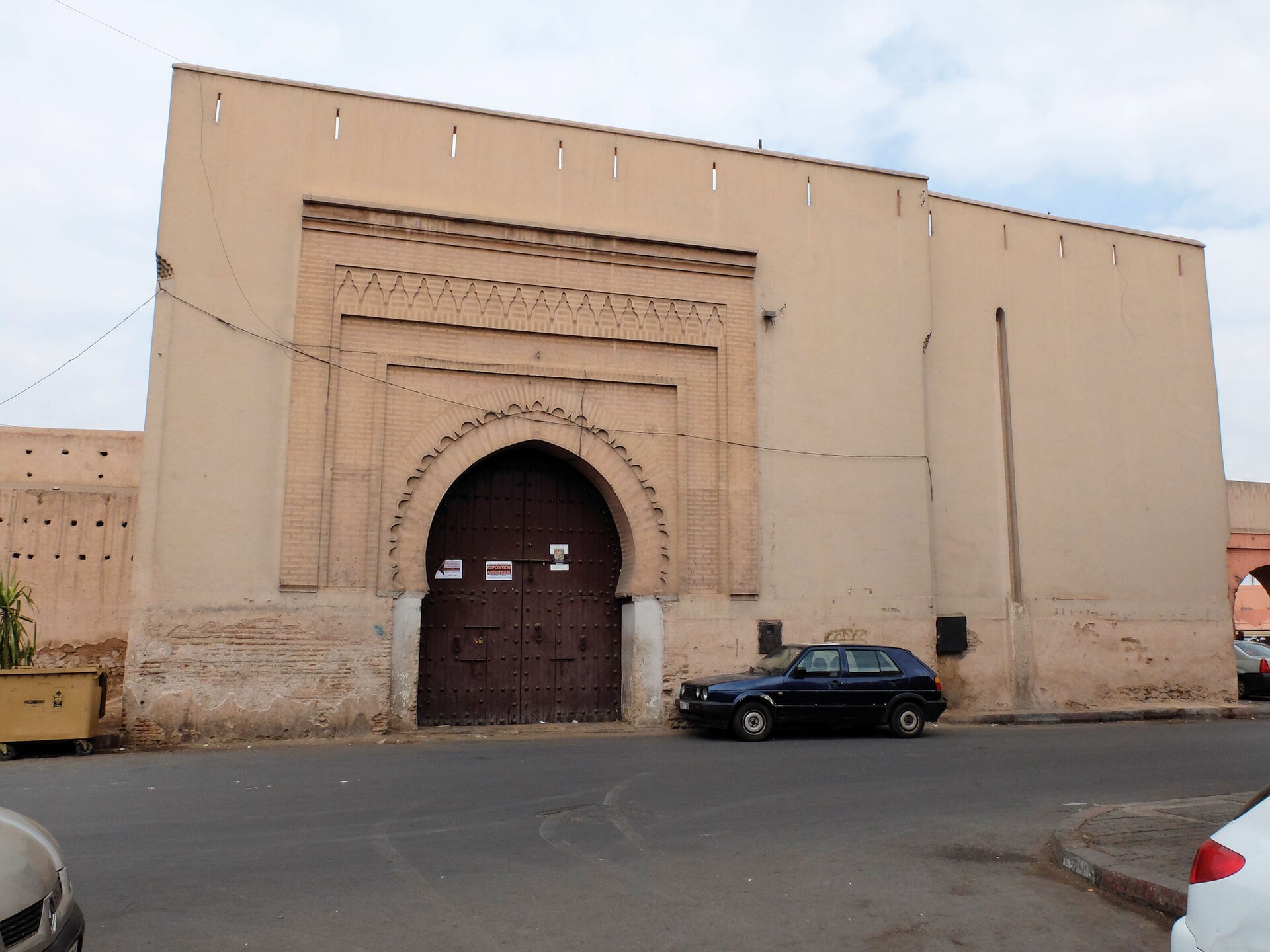
Bab Doukkala Mosque & Neighbourhood
Rue Bab Doukkala, Marrakesh, 40030, Morocco
Bab Doukkala is the medina gate that leads to the most authentically local neighbourhood in central Marrakech — a quarter of residential streets, neighbourhood mosques, and the daily food market that serves the surrounding community without any concession to tourism.
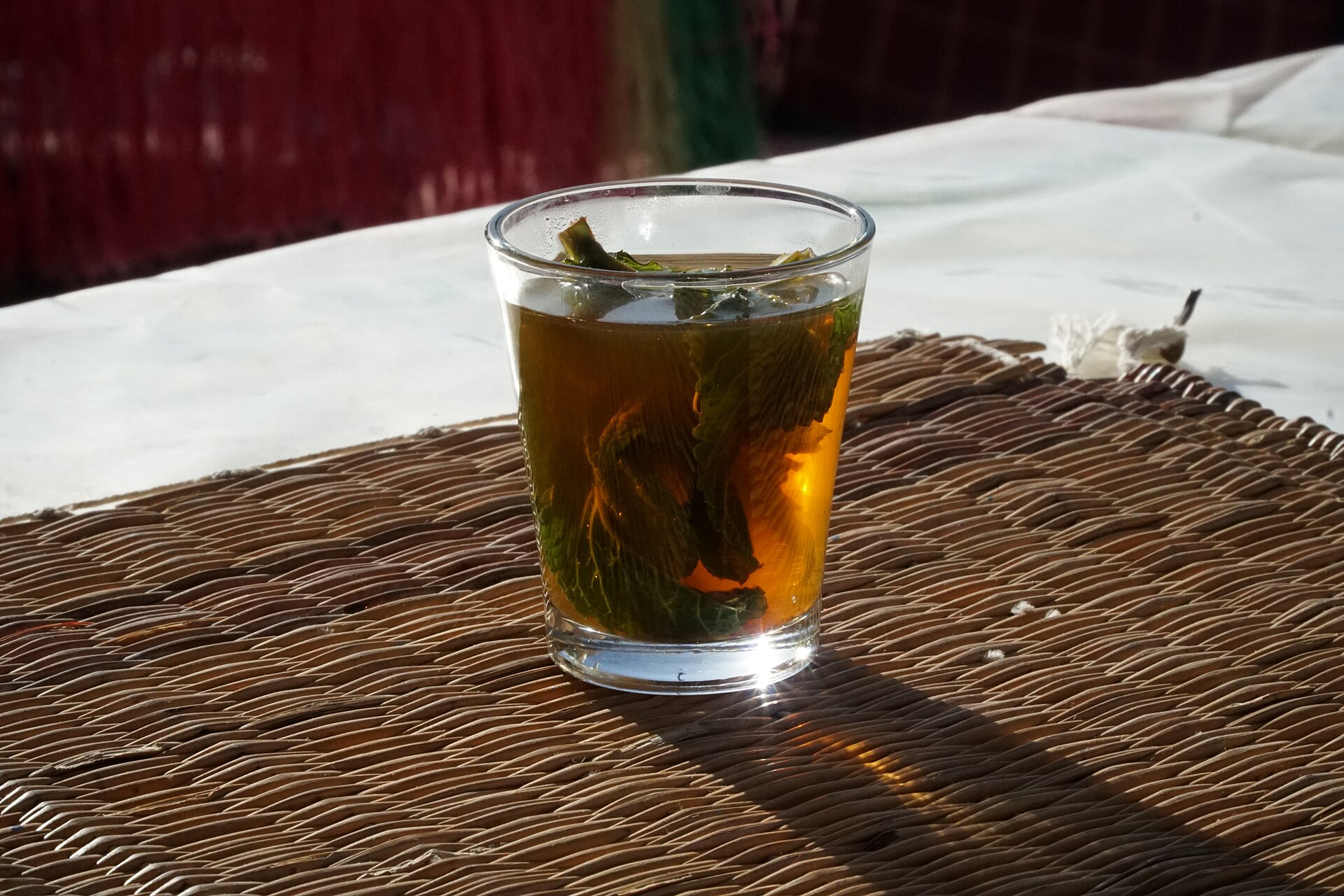
Café Culture & Mint Tea Ritual
Various cafés, Jemaa el-Fna & Medina, Marrakech
Mint tea (atay) is Morocco's national drink and Marrakech's social lubricant — a mixture of Chinese gunpowder green tea, fresh spearmint, and a quantity of sugar that would alarm a dentist, brewed in a silver teapot and poured from height (the higher the pour, the better the froth) into small glass cups.
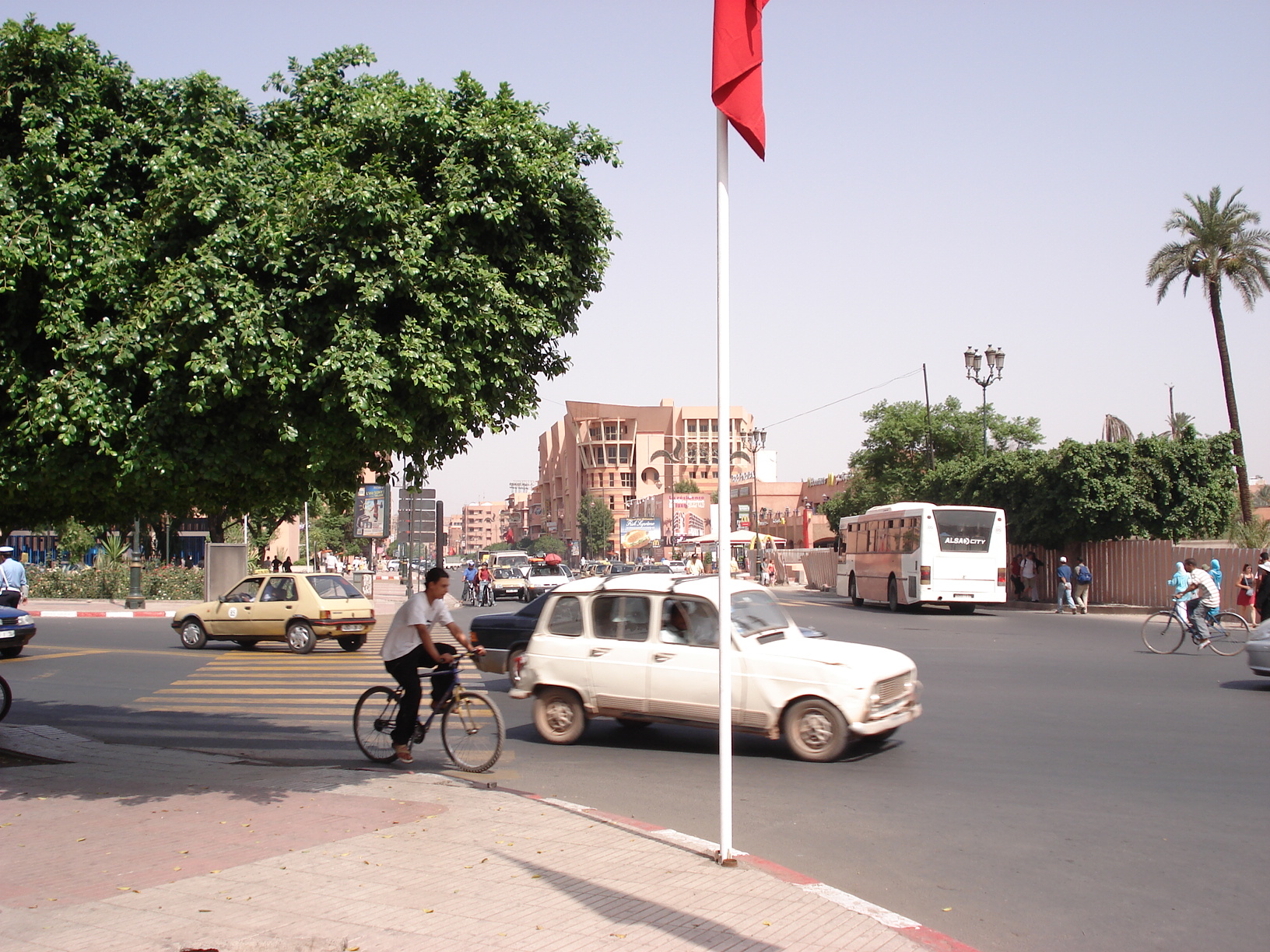
Guéliz (Ville Nouvelle)
Boulevard Mohammed V, Marrakesh, 40008, Morocco
Guéliz is Marrakech's French-built new town — a grid of Art Deco and Modernist buildings laid out during the Protectorate period (1912-1956) that provides the counterpoint to the medina's labyrinthine chaos.
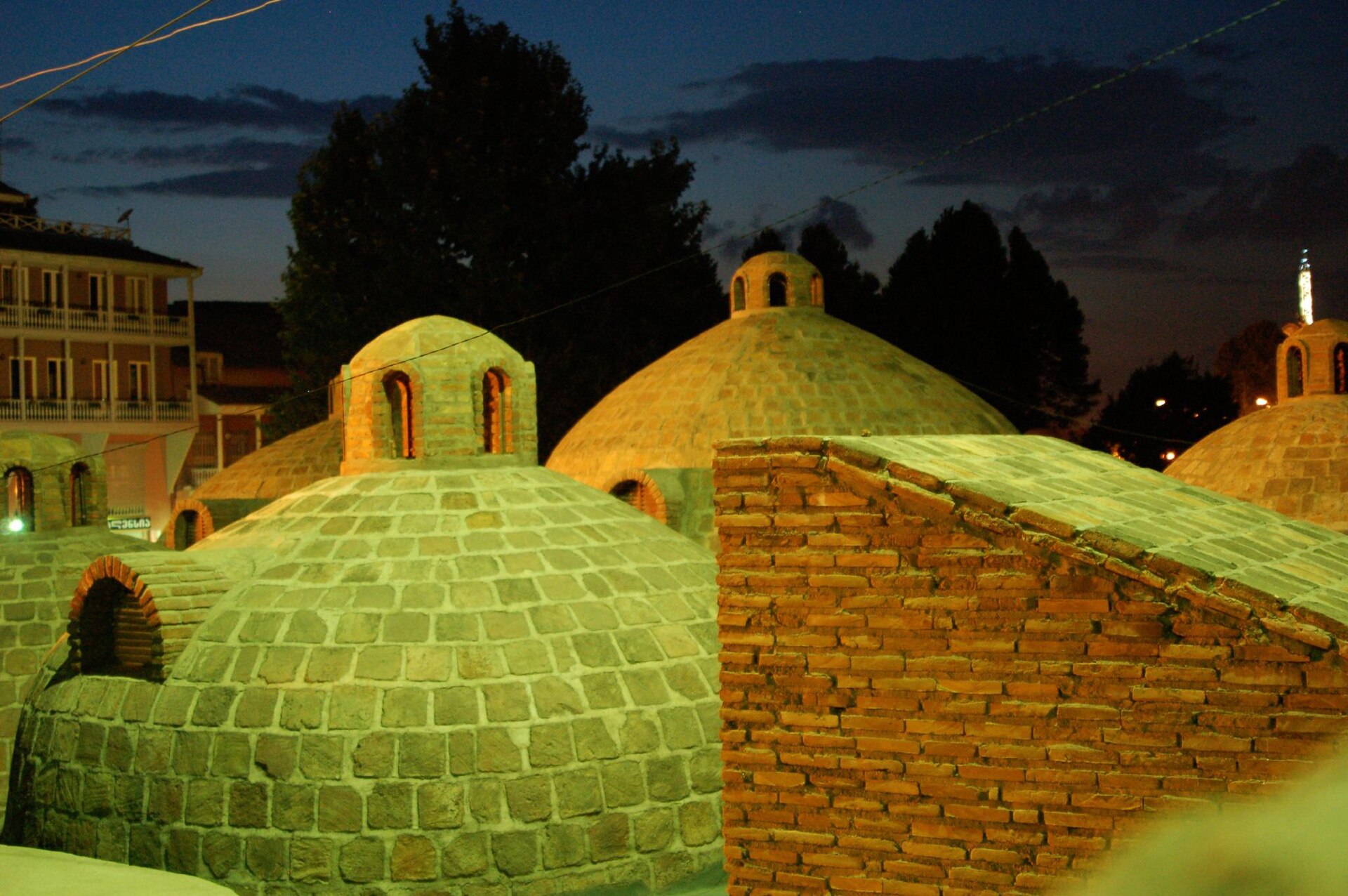
Hammam Experience
Marrakesh, Morocco
The hammam is the quintessential Moroccan bathing ritual — a communal steam bath that has been a cornerstone of social and hygienic life in Marrakech since the city was founded.
Palmeraie
Circuit de la Palmeraie, Marrakech
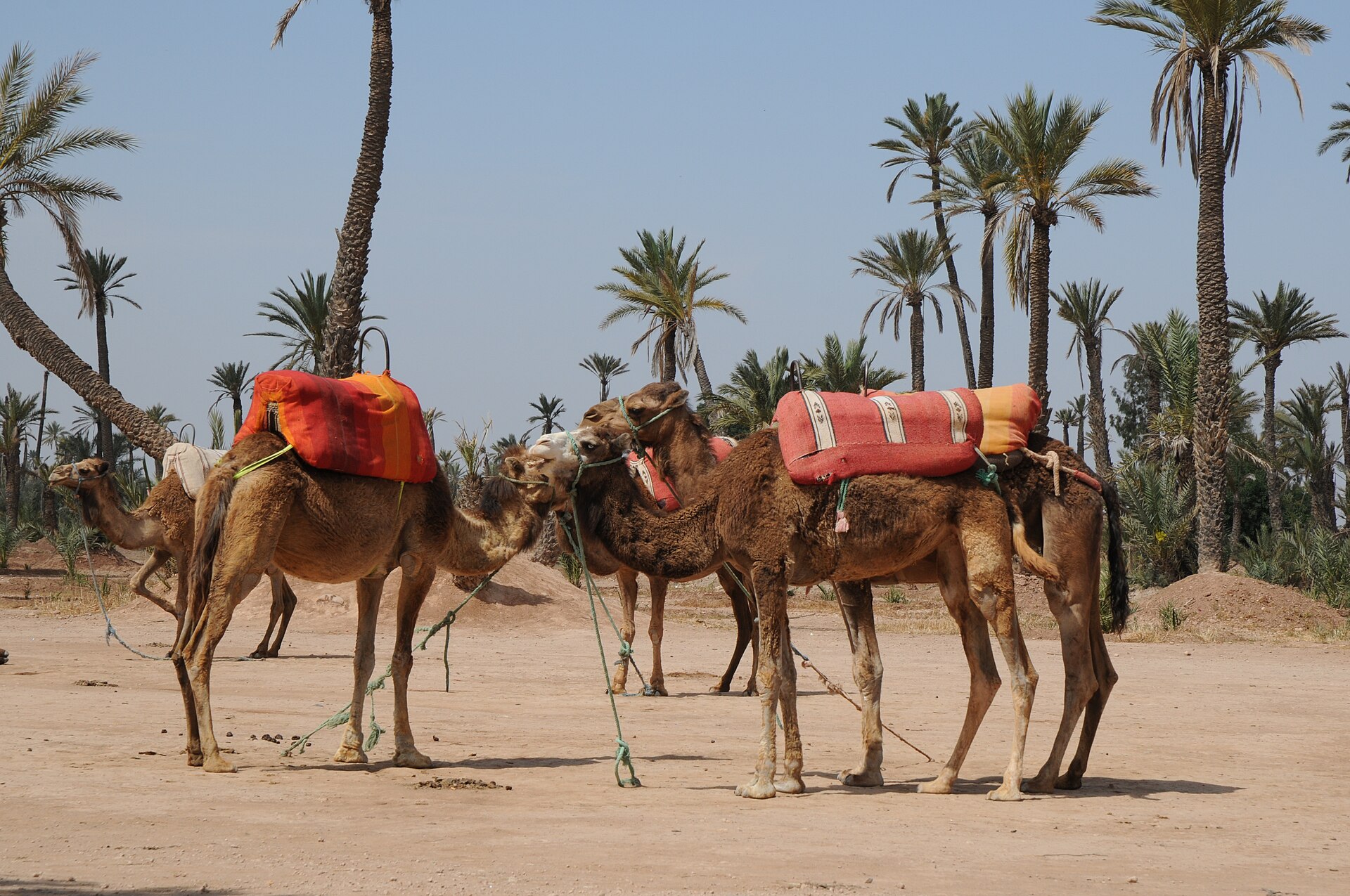
The Palmeraie is a 13,000-hectare palm grove on the northern edge of Marrakech — a landscape of over 100,000 date palms planted during the Almoravid dynasty in the 11th century that has been both an agricultural resource (the dates, olives, and gardens irrigated by the khettara system) and a recreational retreat for nine centuries.
Riad Architecture & Courtyard Culture
Various riads, Medina, Marrakech
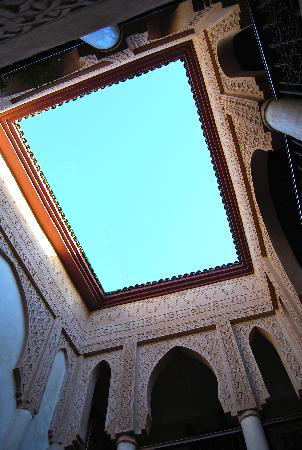
The riad is Marrakech's defining architectural form — a traditional courtyard house built around a central garden (the word riad comes from the Arabic ryad, meaning garden) that turns its back on the street and opens inward to light, water, and plantings.
Souks of Marrakech
Souk Semmarine, Marrakesh, 40008, Morocco
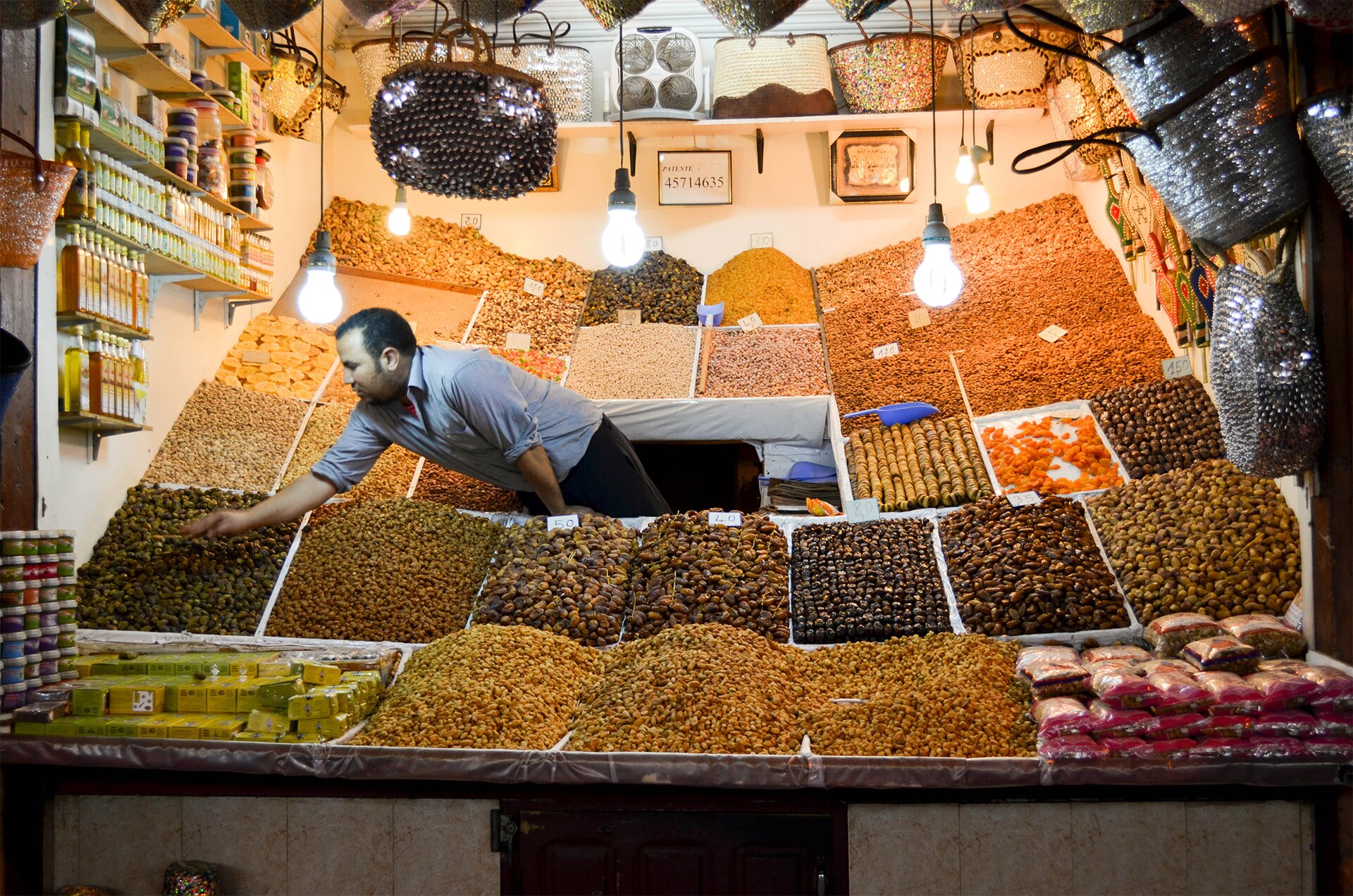
The souks of Marrakech are the largest traditional market in Morocco — a labyrinth of covered alleyways radiating north from Jemaa el-Fna that is organised by trade: leather workers in one section, metalworkers in another, spice merchants, textile dealers, woodworkers, basket weavers, and the lamp shops whose pierced brass lanterns cast starfield patterns on the walls and ceiling.
Tanneries of Marrakech
Municipalité de Marrakech, Morocco
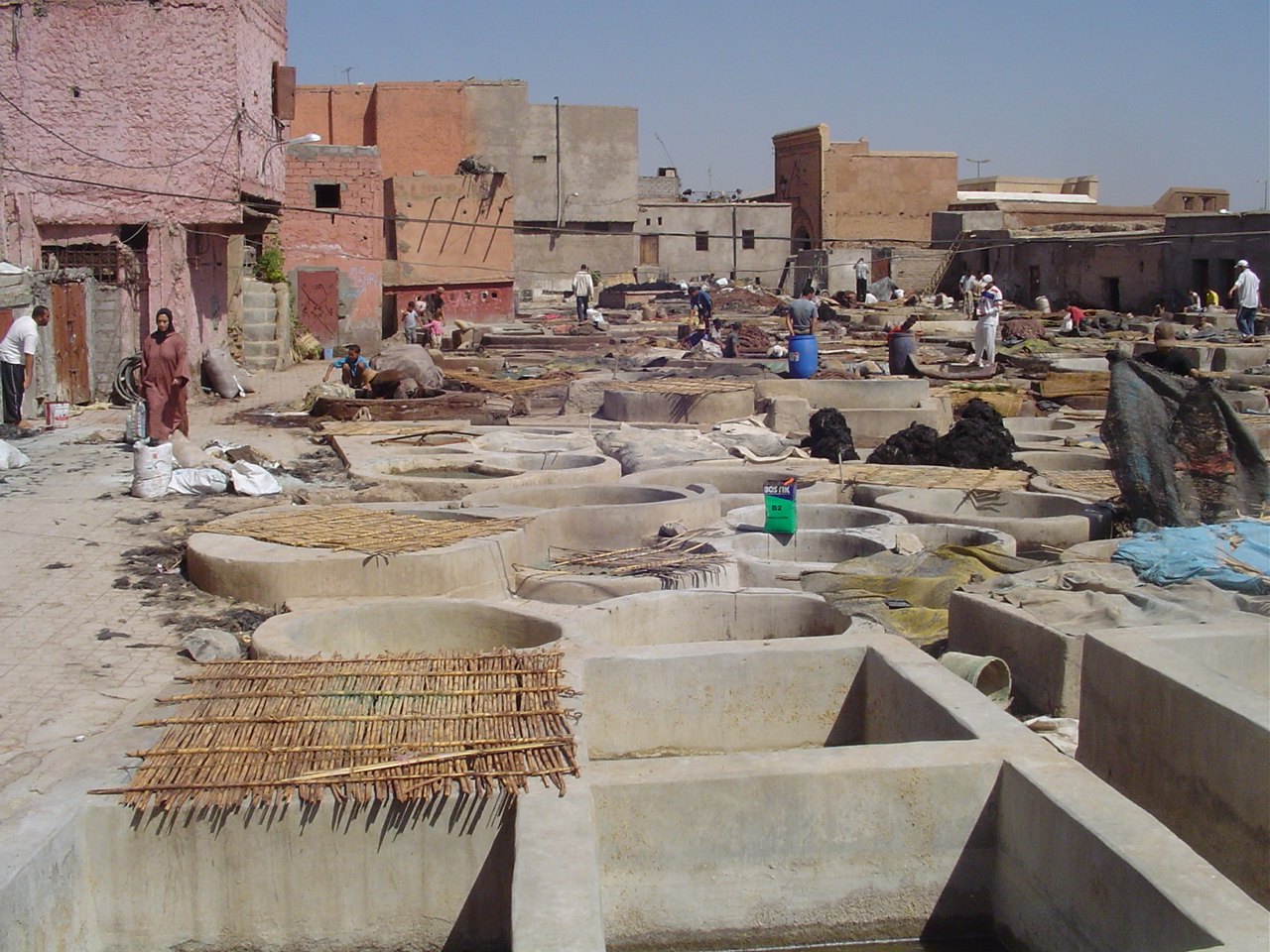
The tanneries of Marrakech are where leather is made the way it has been made for a thousand years — animal hides soaked in vats of pigeon dung, quicklime, and vegetable dyes in open-air pits that produce the leather goods sold throughout the souks.
Explore local life in Marrakech
GPS-guided narration at every landmark. Tap a spot on the map, hear the story. Every fact verified.