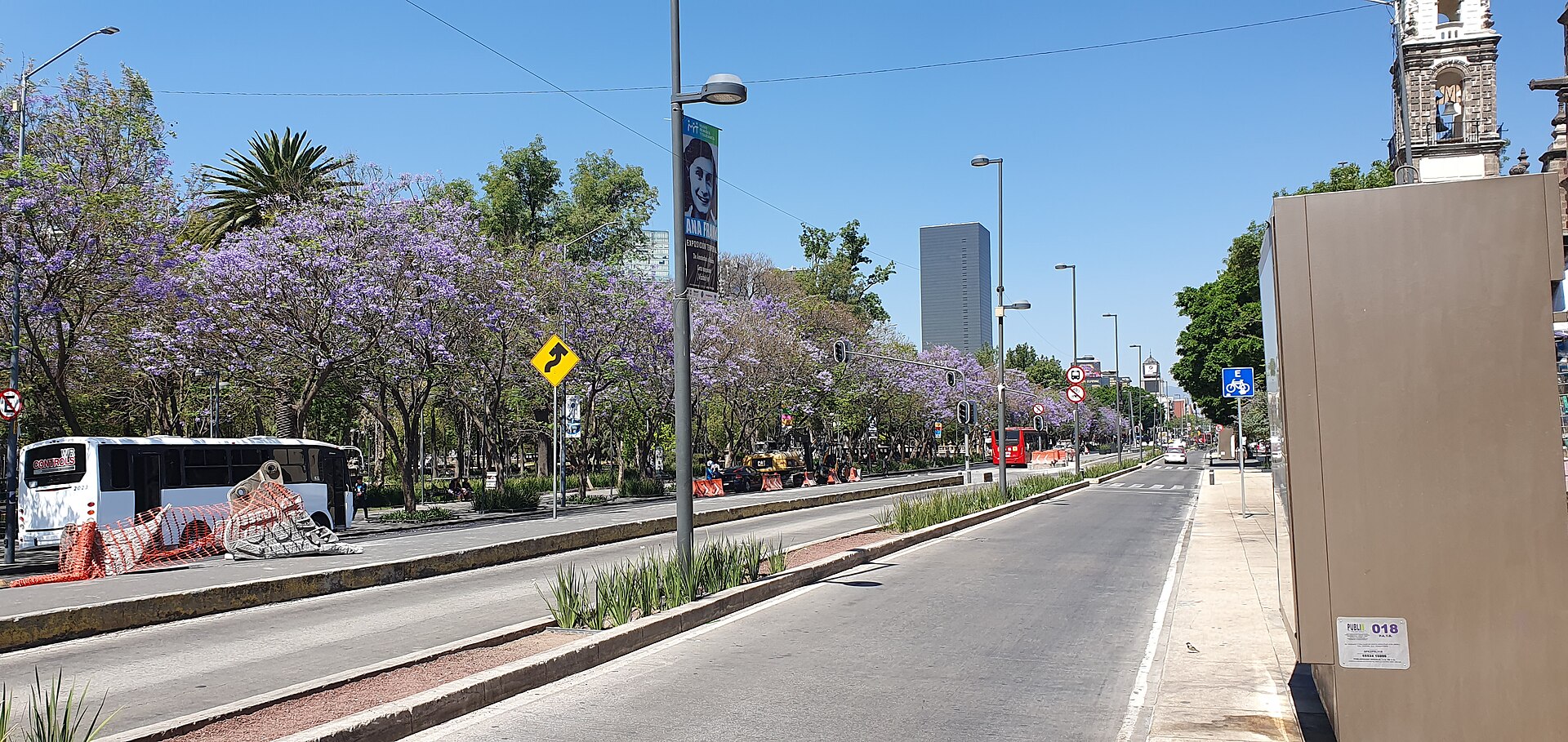
Alameda Central
Plaza Juárez, Atlampa, Cuauhtémoc, 06450, Mexico
Alameda Central is the oldest public park in the Americas — established in 1592 on the site where the Spanish Inquisition burned heretics (a fact the tourist brochures tend to understate), and now a shaded rectangle of fountains, paths, and the afternoon crowd of office workers, street vendors, and families that fills every Mexican public space.
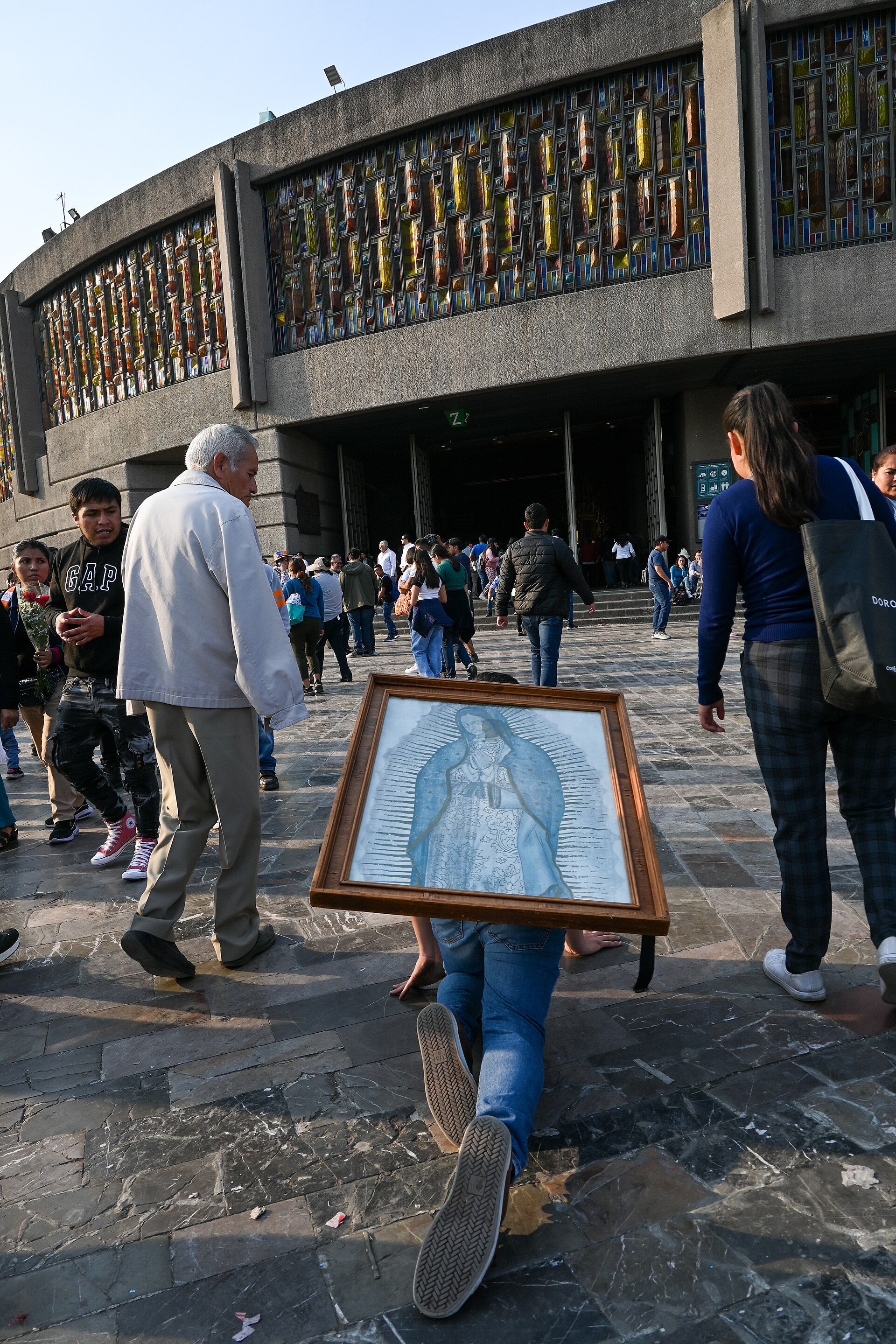
Basilica of Our Lady of Guadalupe
1 Avenida de Las Américas, Moderna, Benito Juárez, 03510, Mexico
The Basilica of Guadalupe is the most visited Catholic pilgrimage site in the world — over 10 million people come here annually to venerate the image of the Virgin of Guadalupe, which according to tradition appeared miraculously on the cloak (tilma) of an indigenous man named Juan Diego in 1531 and has been on continuous display for nearly 500 years.
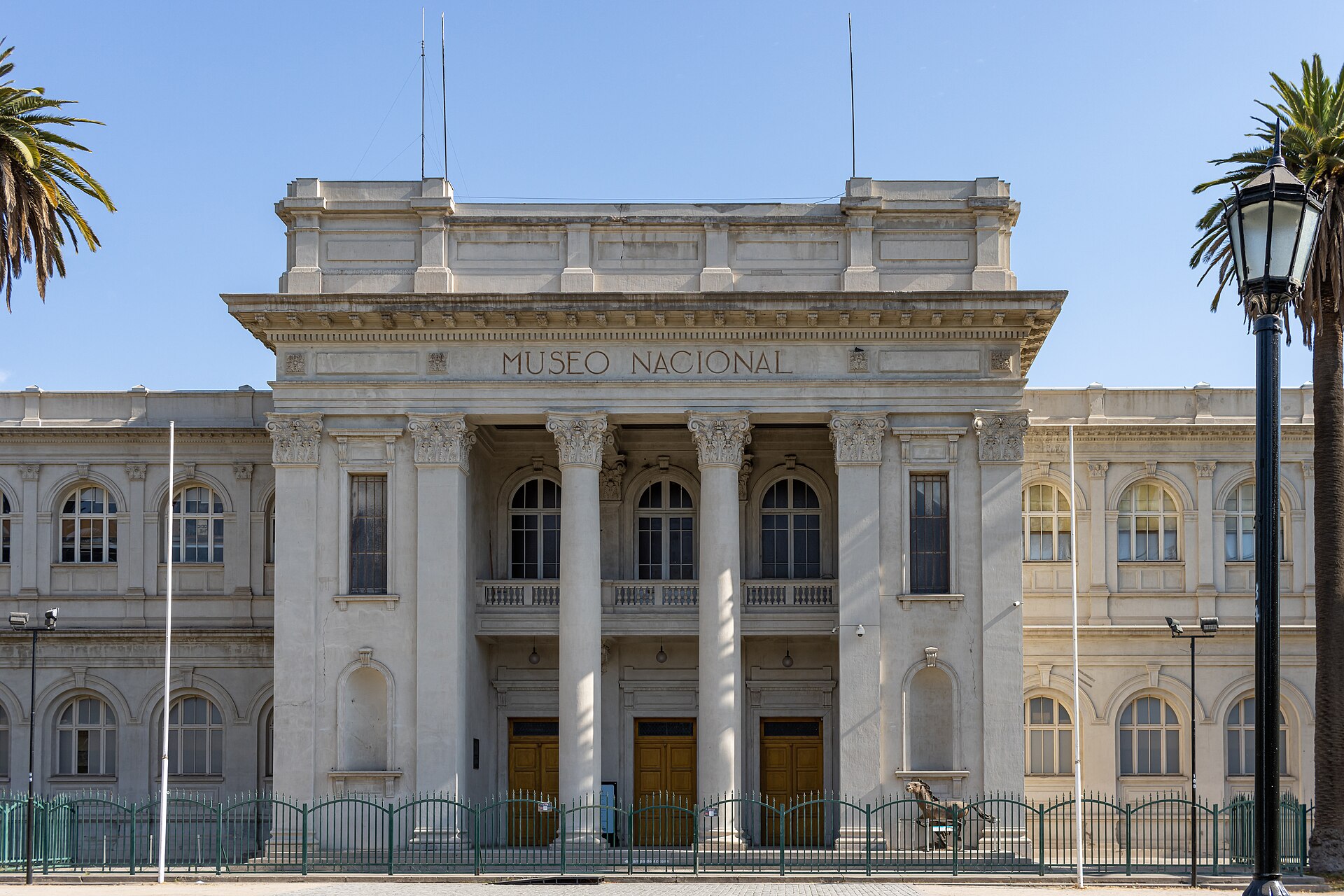
Chapultepec Castle (Museo Nacional de Historia)
s/n Av. Reforma, Bosque de Chapultepec I Sección, Ciudad de México, 11860, México
Chapultepec Castle is the only royal castle in the Americas — built in 1785 as a viceregal summer house on a hilltop that Aztec emperors had used as a retreat, later serving as a military academy, a presidential residence (Emperor Maximilian and his wife Carlota furnished it in European style during their brief, tragic reign), and since 1944 the National Museum of History.
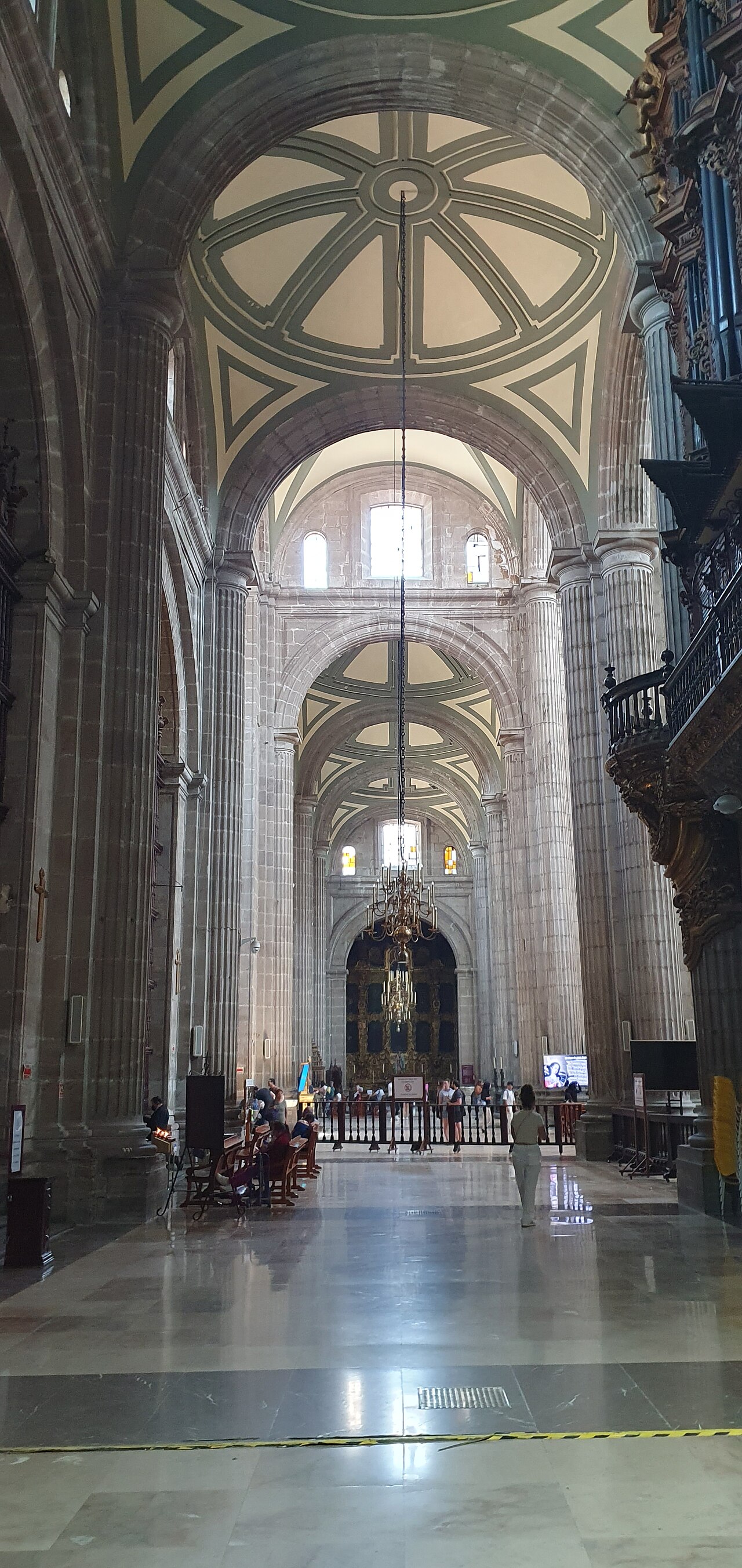
Metropolitan Cathedral
Plaza de La Constitución, Tlalpan Centro, Tlalpan, 14000, Mexico
The Metropolitan Cathedral is the largest and oldest cathedral in Latin America — a massive structure built on the ruins of an Aztec temple over a period of 250 years (1573-1813), which means it contains every architectural style that swept through Mexico during those centuries: Renaissance, Baroque, Neoclassical, and Churrigueresque all live under one roof, and the result is less a coherent building than a timeline of Mexican religious architecture.
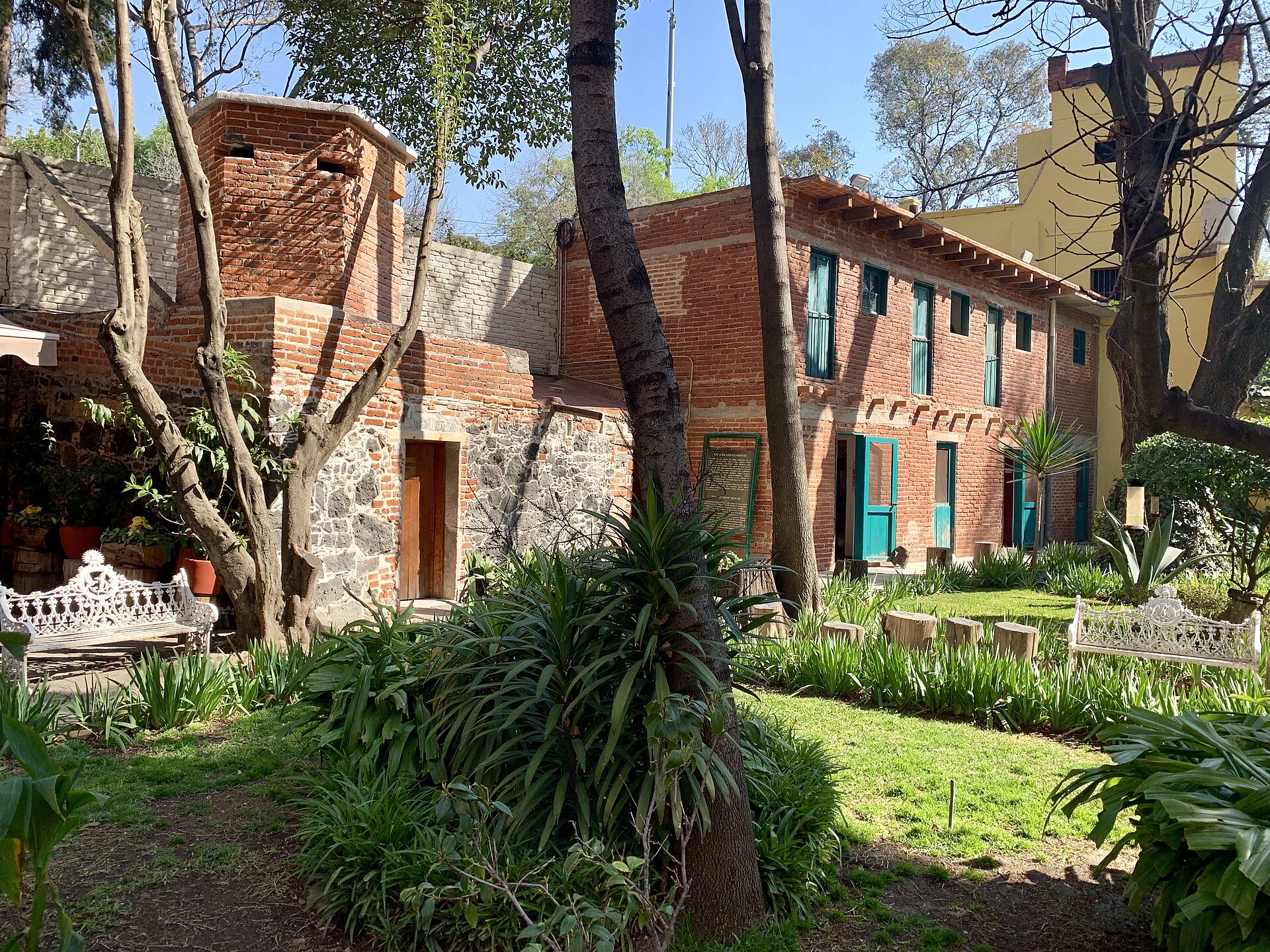
Museo Leon Trotsky
410 Circuito interior Río Churubusco, Del Carmen, Coyoacán, 04100, Mexico
The Leon Trotsky Museum is the house where the exiled Russian revolutionary lived his final years and was assassinated on August 20, 1940 — killed by Ramón Mercader, a Spanish NKVD agent who embedded an ice axe in Trotsky's skull while he was reading at his desk.
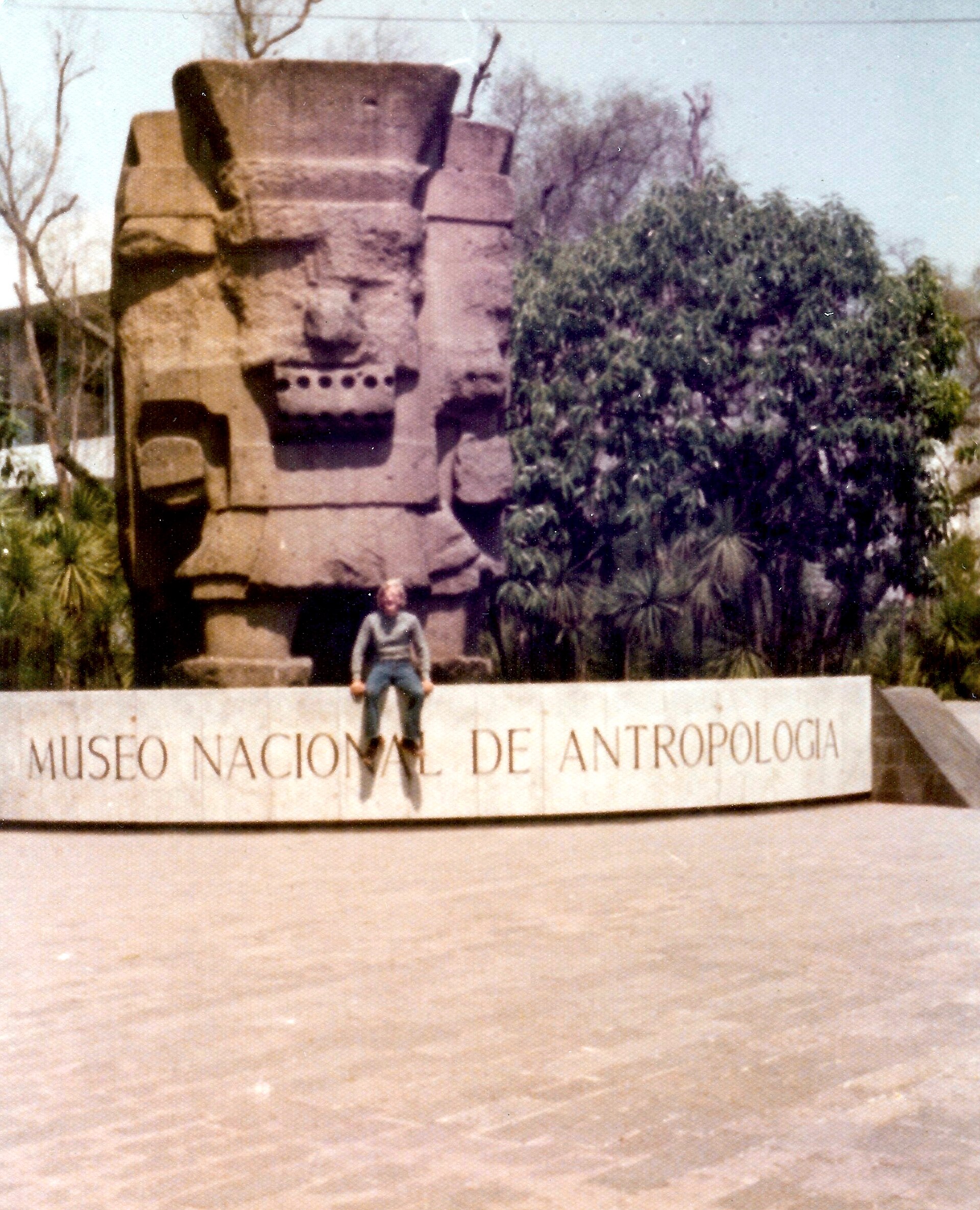
Museo Nacional de Antropología
Avenida Explanada, Lomas de Chapultepec, Miguel Hidalgo, 11000, Mexico
The National Museum of Anthropology is the most important museum in Latin America and one of the finest archaeological museums in the world — a modernist masterpiece designed by Pedro Ramírez Vázquez in 1964 that houses the material culture of Mexico's pre-Hispanic civilisations in a building that is itself a work of art.
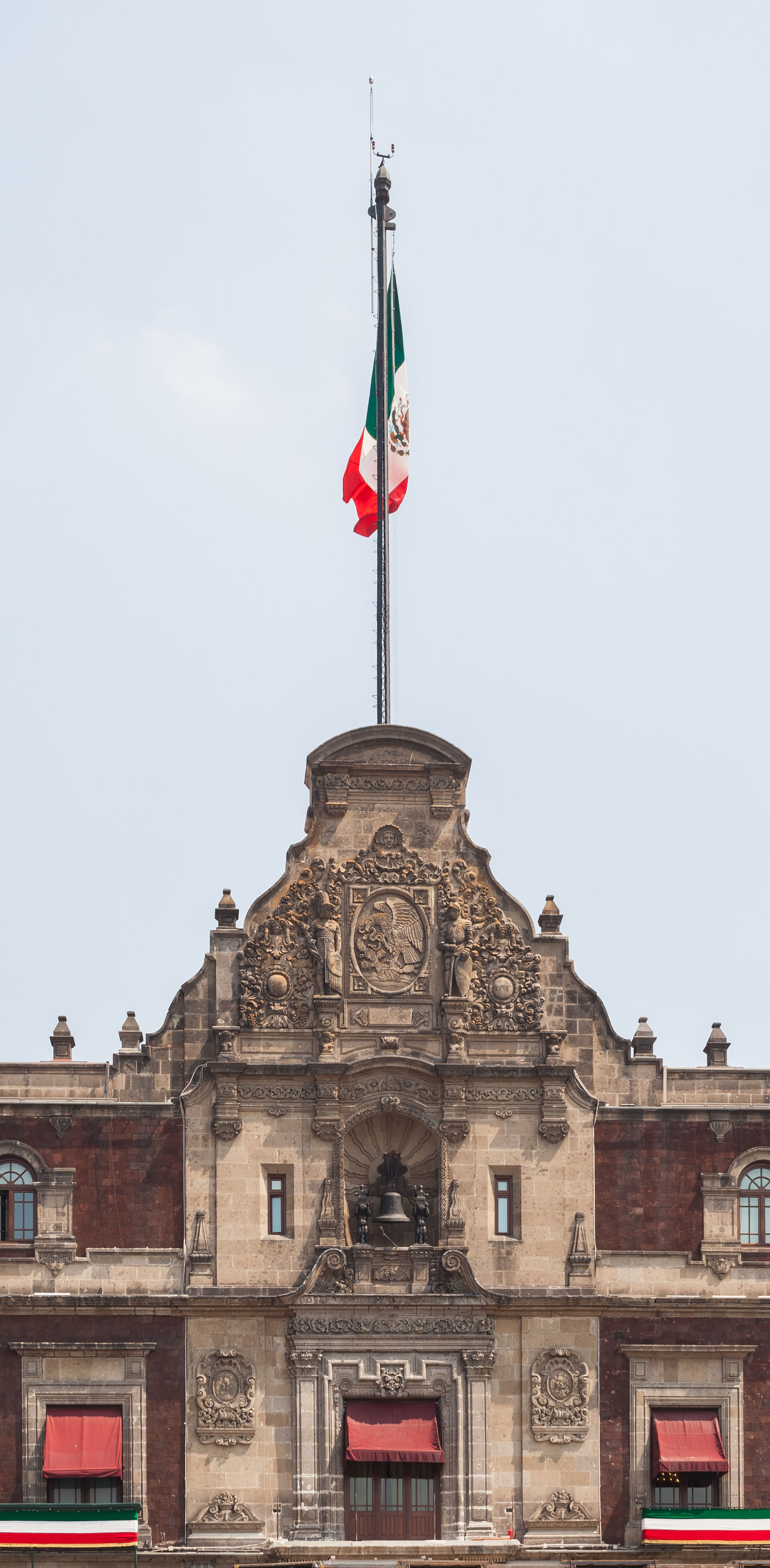
Palacio Nacional
Plaza de La Constitución, Tlalpan Centro, Tlalpan, 14000, Mexico
The Palacio Nacional occupies the entire east side of the Zócalo — a 200-metre-long colonial building that sits on the site of Moctezuma's palace, was the seat of the Spanish viceroys for 300 years, and now houses the offices of the President of Mexico.
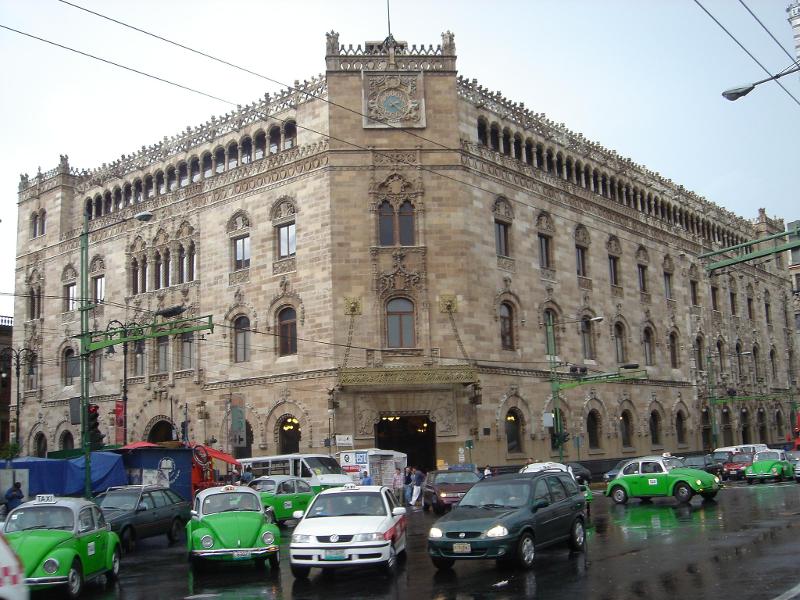
Palacio Postal (Correo Mayor)
Tacuba 1, Centro Histórico, Mexico City
The Palacio Postal is the most beautiful post office in the world — a Venetian Gothic and Spanish Renaissance palace completed in 1907 that was designed to make the act of buying stamps feel like visiting a cathedral.
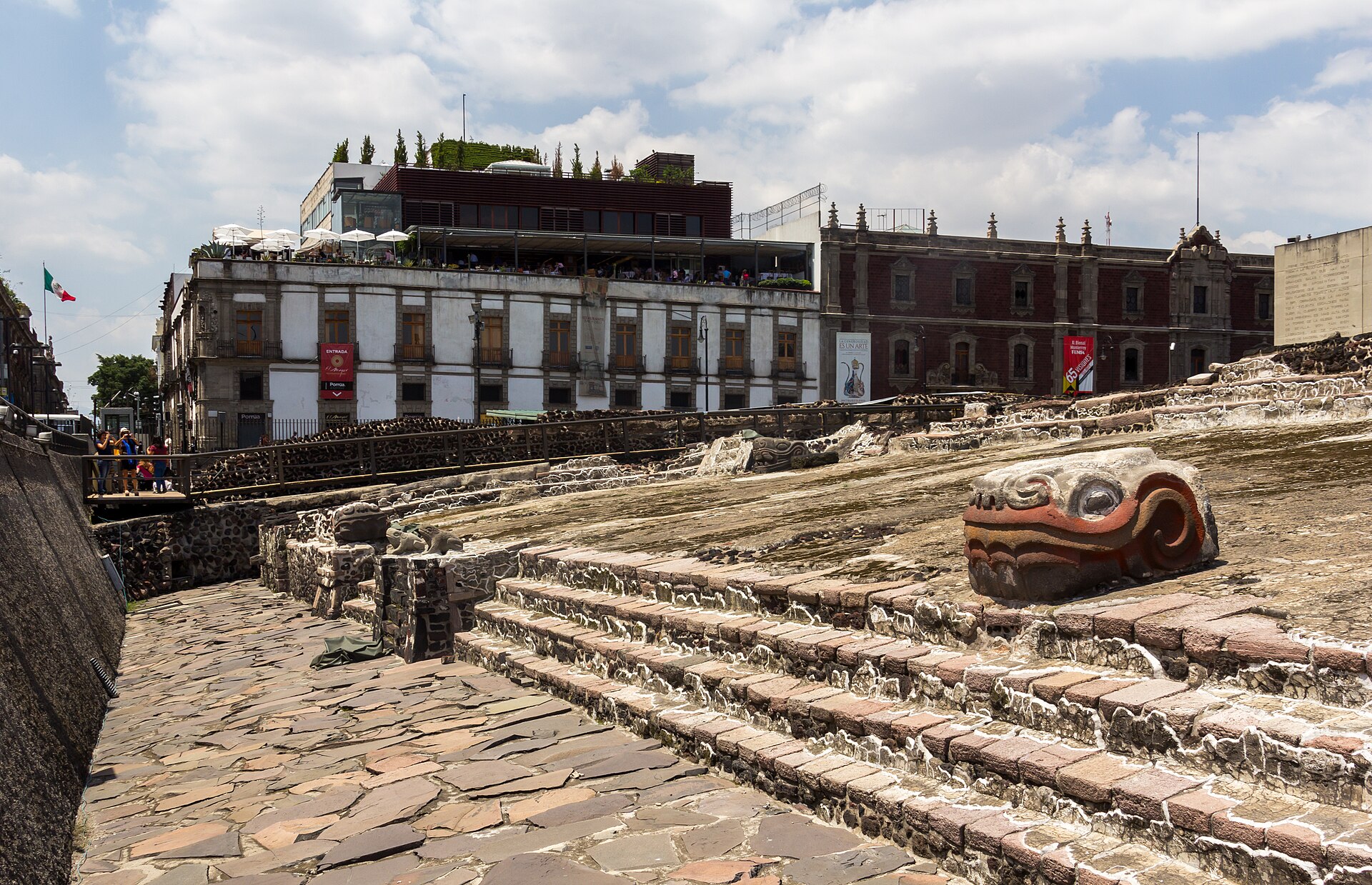
Templo Mayor
Seminario 8, Centro Histórico, Mexico City
Templo Mayor is the excavated remains of the main temple of the Aztec capital Tenochtitlan — the pyramid that stood at the centre of the empire and was the site of human sacrifices, astronomical observations, and the political ceremonies that held the Aztec world together.
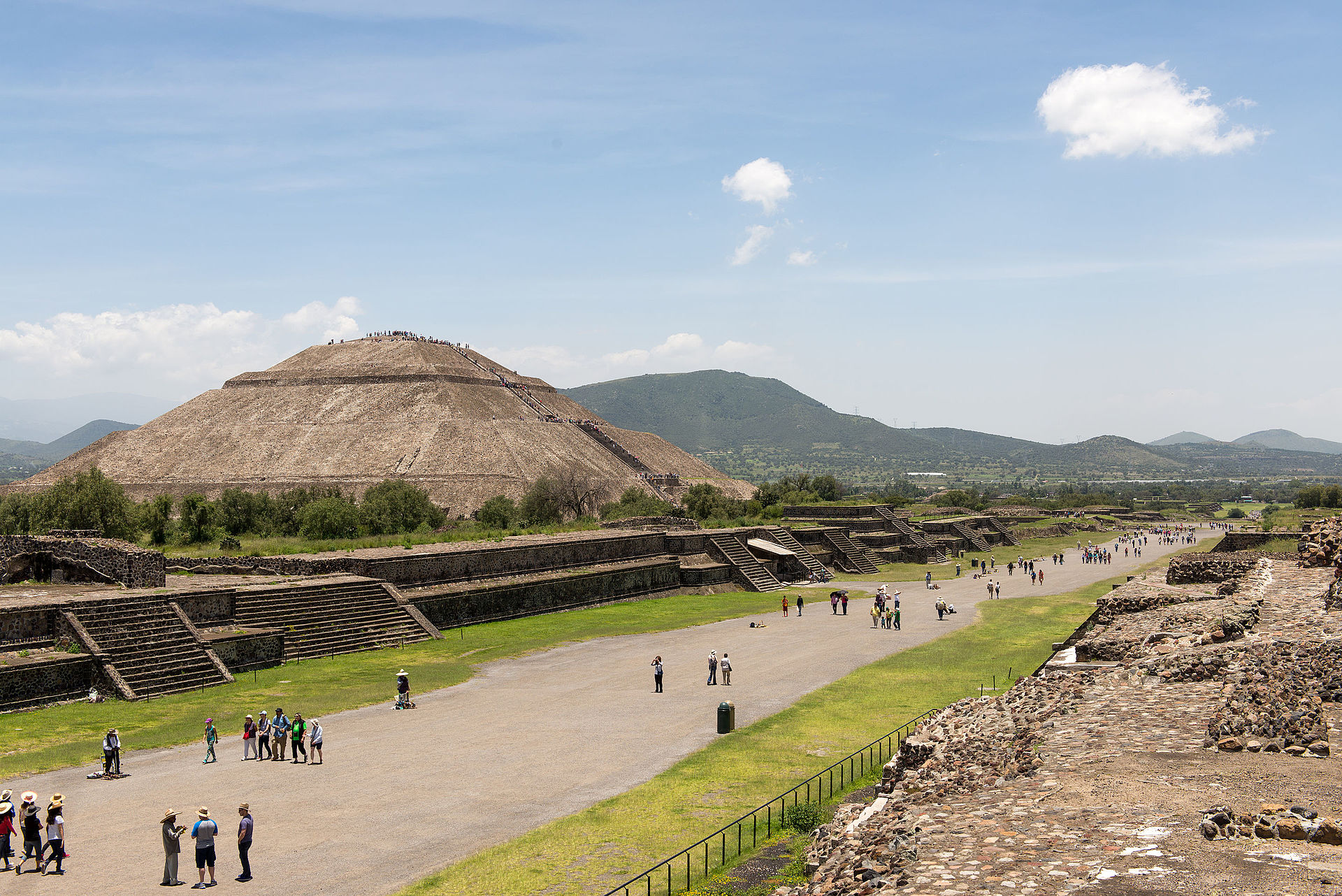
Teotihuacán
Calle Teotihuacán, Hipódromo, Cuauhtémoc, 06100, Mexico
Teotihuacán is the largest and most impressive pre-Hispanic archaeological site in the Americas — a ruined city of pyramids, temples, and avenues that was home to over 100,000 people at its peak around 450 AD, making it one of the largest cities in the world at the time.
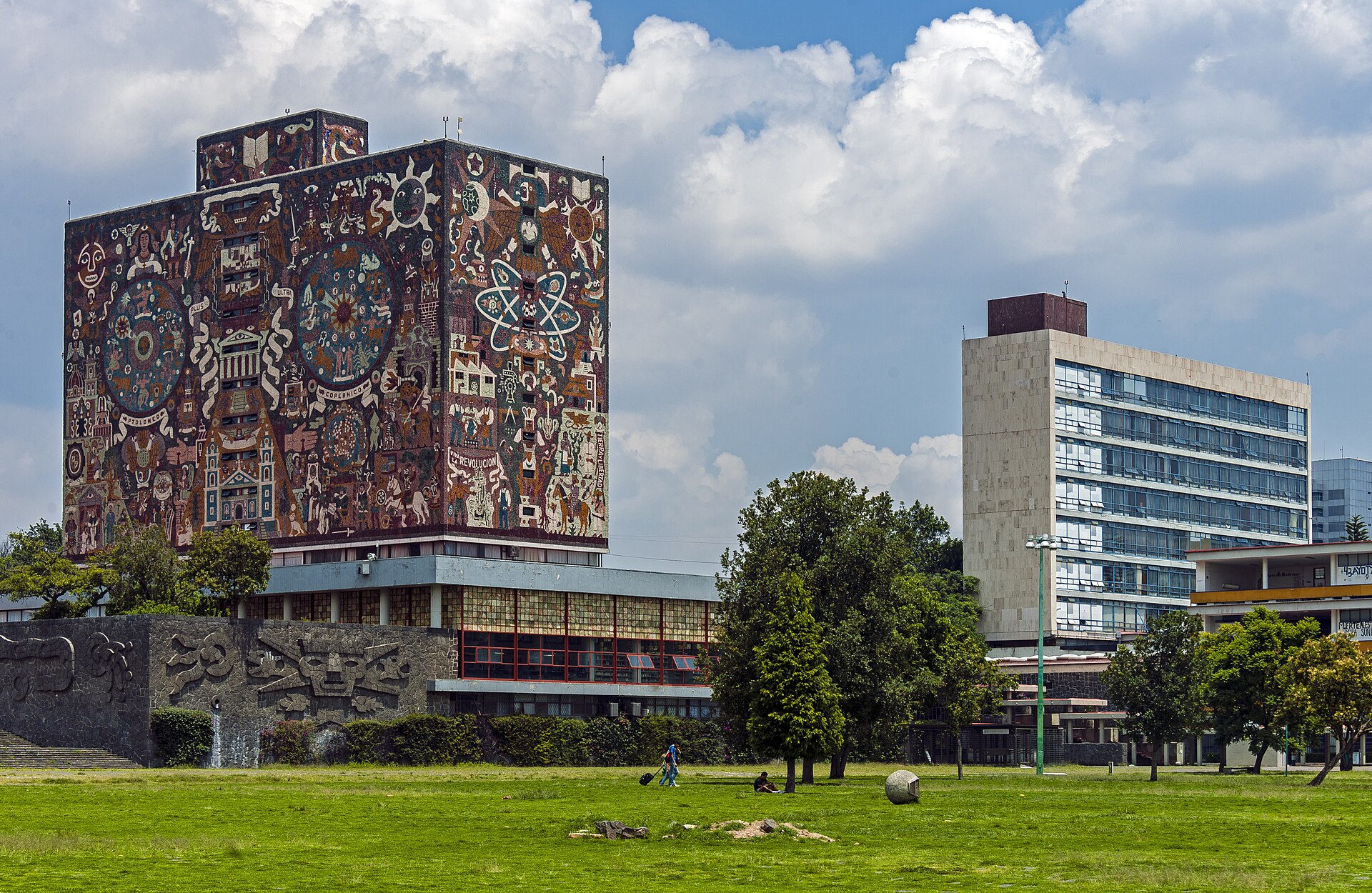
UNAM Campus (Ciudad Universitaria)
Ciudad Universitaria, Coyoacán, Mexico
The UNAM campus (Ciudad Universitaria) is a UNESCO World Heritage Site and one of the most important examples of 20th-century architecture in the Americas — a planned university city built in the early 1950s that integrated modernist architecture with Mexican muralism in a way that no other campus has matched.
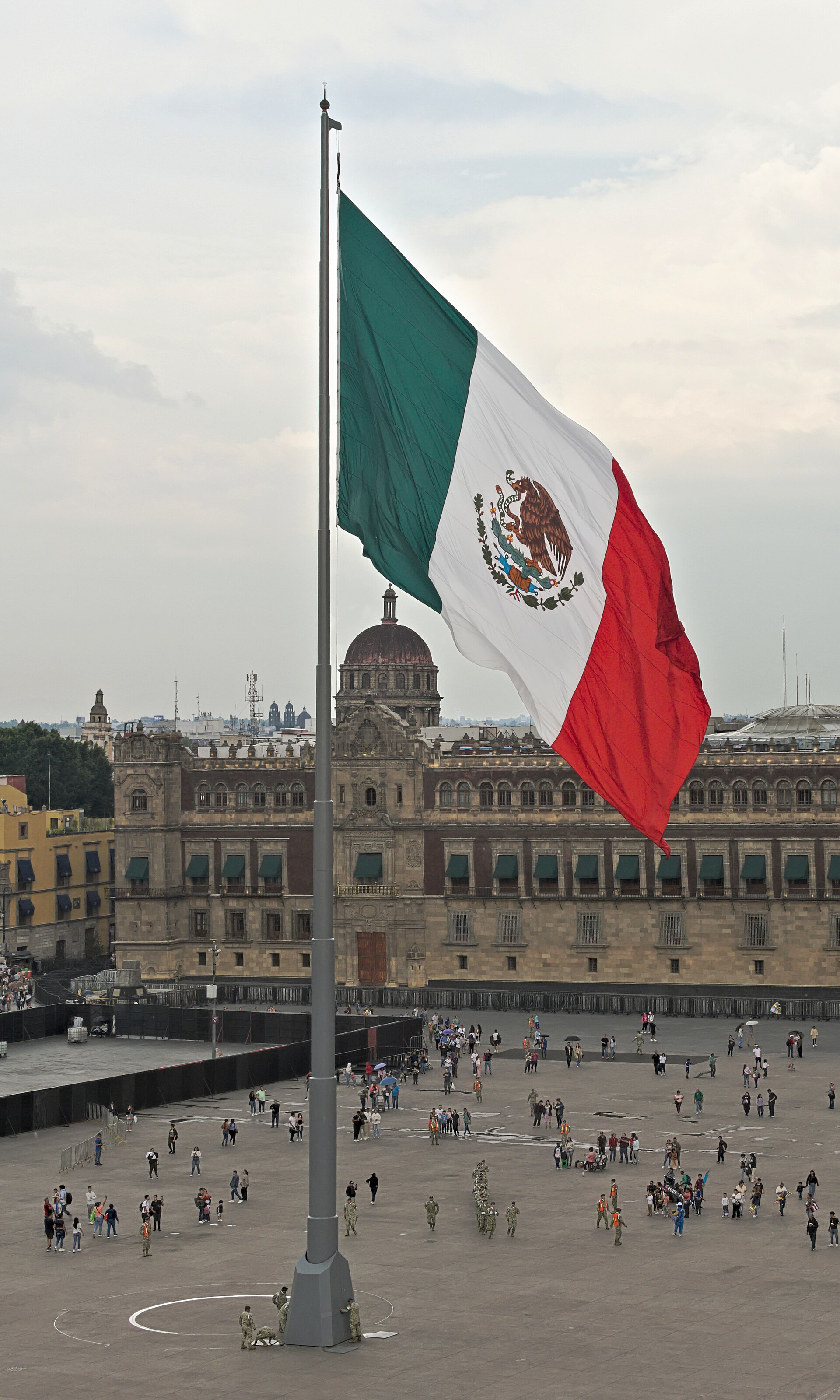
Zócalo (Plaza de la Constitución)
Mexico
The Zócalo is the beating heart of Mexico City and one of the largest public squares in the world — a vast expanse of grey stone flanked by the Metropolitan Cathedral, the Palacio Nacional, and the remains of the Aztec Templo Mayor, layering three civilisations in a single view.
Explore history in Mexico City
GPS-guided narration at every landmark. Tap a spot on the map, hear the story. Every fact verified.