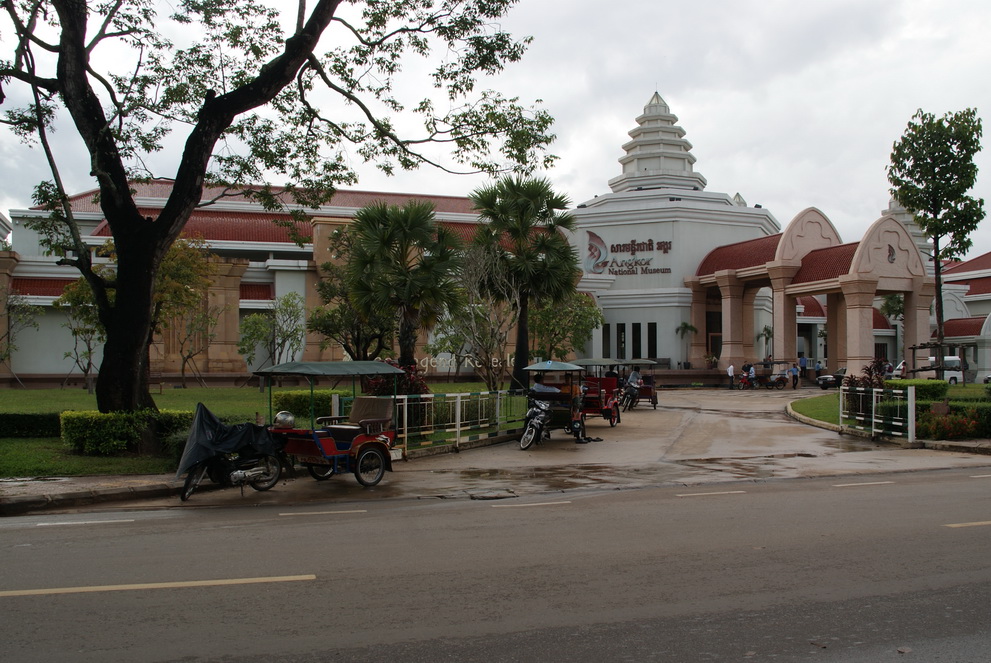
Angkor National Museum
Nokor Thum, Siem Reap, Cambodia
The Angkor National Museum is the essential first stop before visiting the temples — a modern, air-conditioned museum in Siem Reap town that provides the historical, religious, and artistic context that makes the temple complex comprehensible.
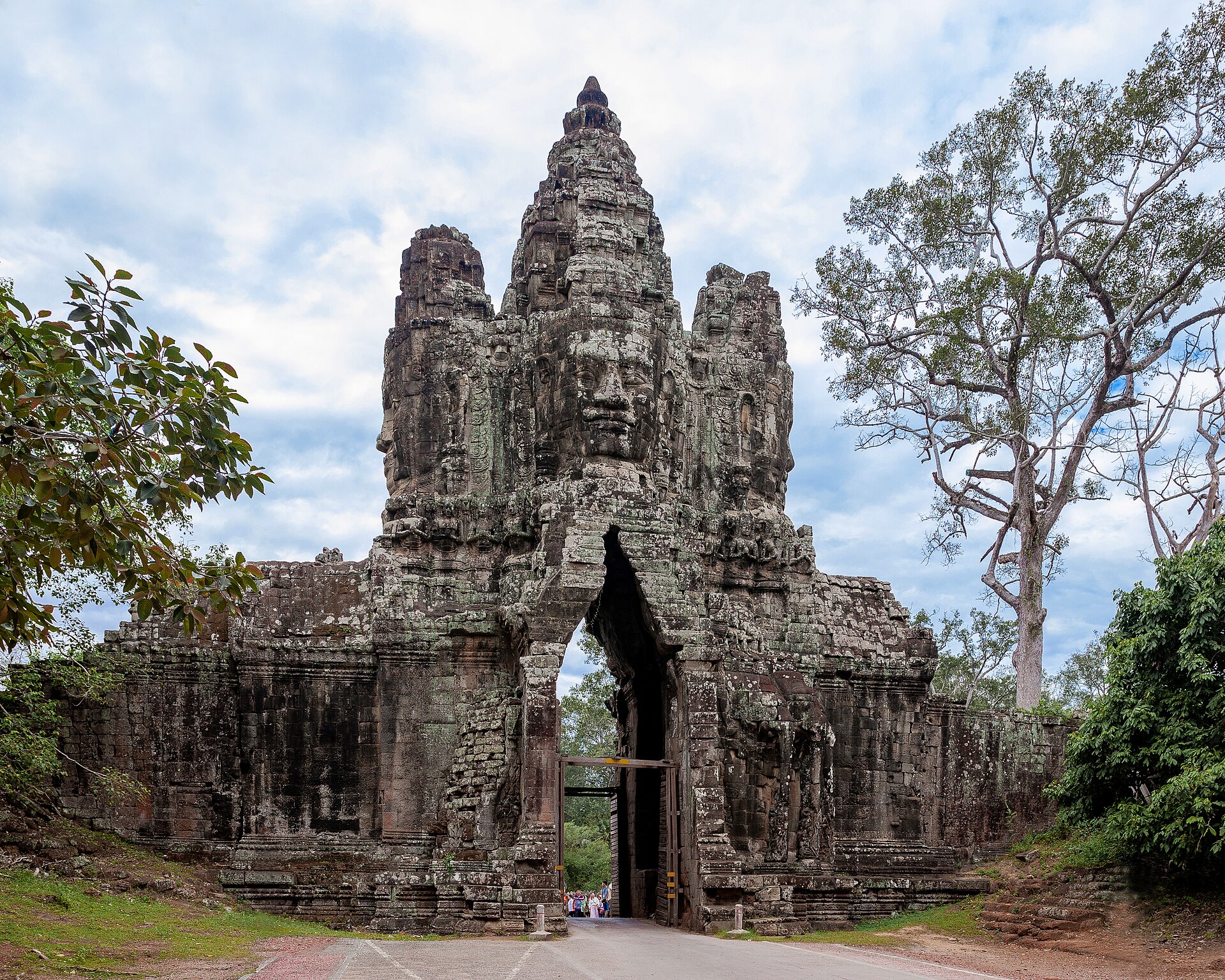
Angkor Thom (Great City)
Angkor Archaeological Park, Siem Reap
Angkor Thom was the last and most enduring capital of the Khmer Empire — a walled city of 9 square kilometres (larger than most medieval European cities) enclosed by an 8-metre-high wall and a moat, entered through five monumental gates, each flanked by rows of stone gods and demons pulling a giant naga (serpent) in a representation of the Hindu creation myth, the Churning of the Ocean of Milk.
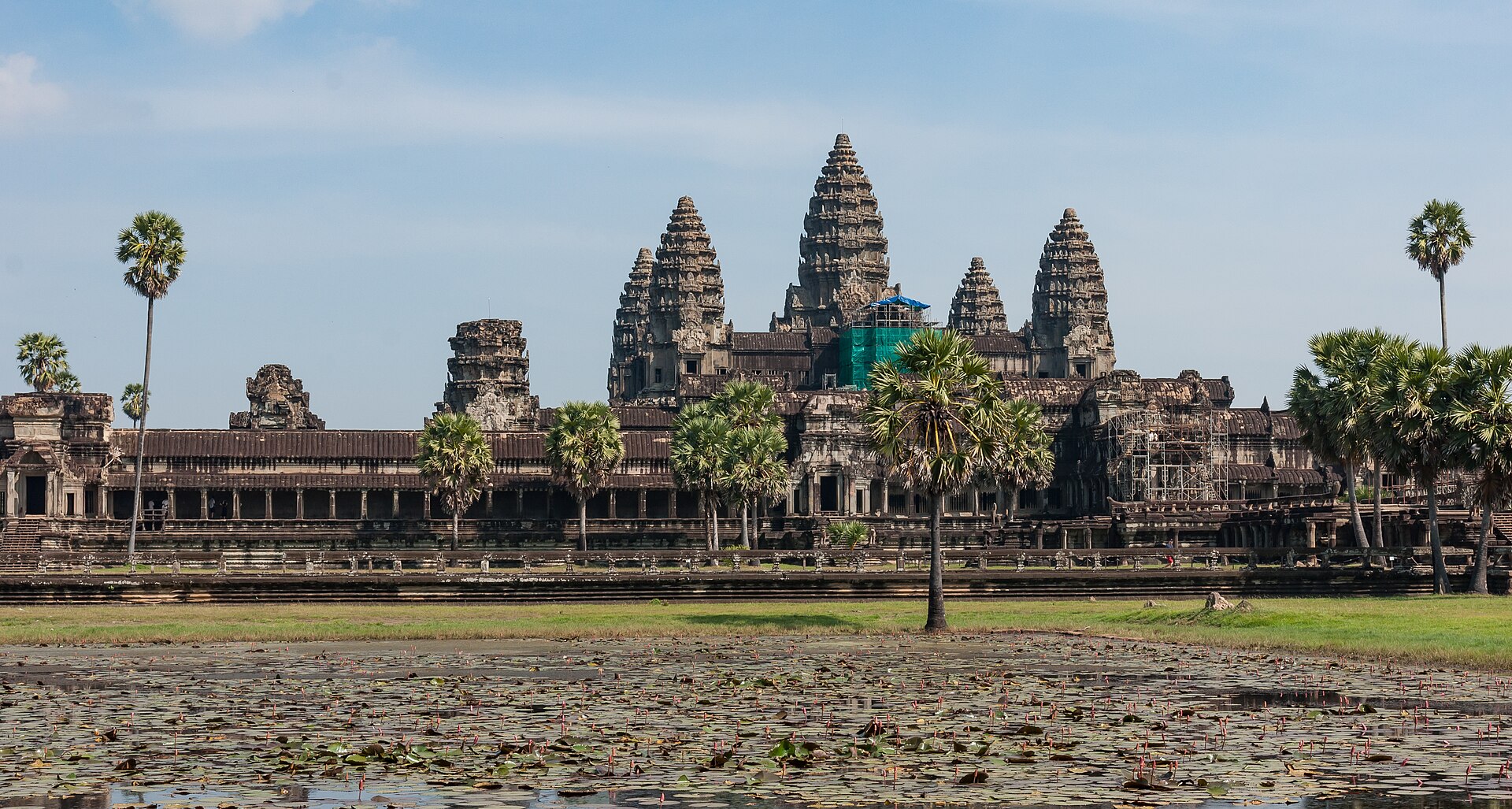
Angkor Wat
Angkor Archaeological Park, Siem Reap
Angkor Wat is the largest religious monument in the world — a 12th-century Hindu temple complex covering 162.
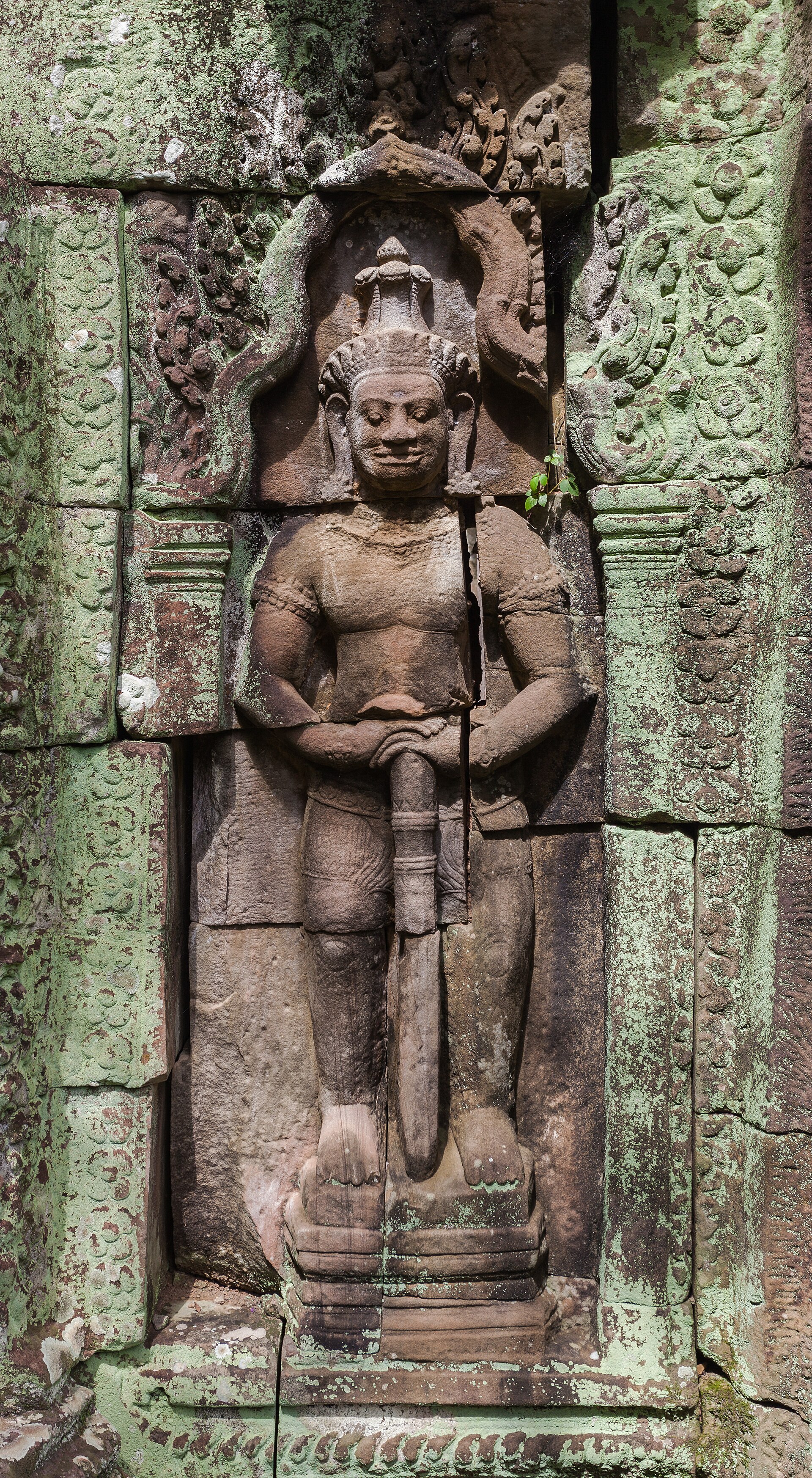
Banteay Kdei
Angkor Archaeological Park
Banteay Kdei is a late 12th-century Buddhist monastery built by Jayavarman VII (the great builder-king who also built Angkor Thom and Bayon) that is often overlooked because of its proximity to the more famous Ta Prohm.
Banteay Srei
Banteay Srei, Cambodia
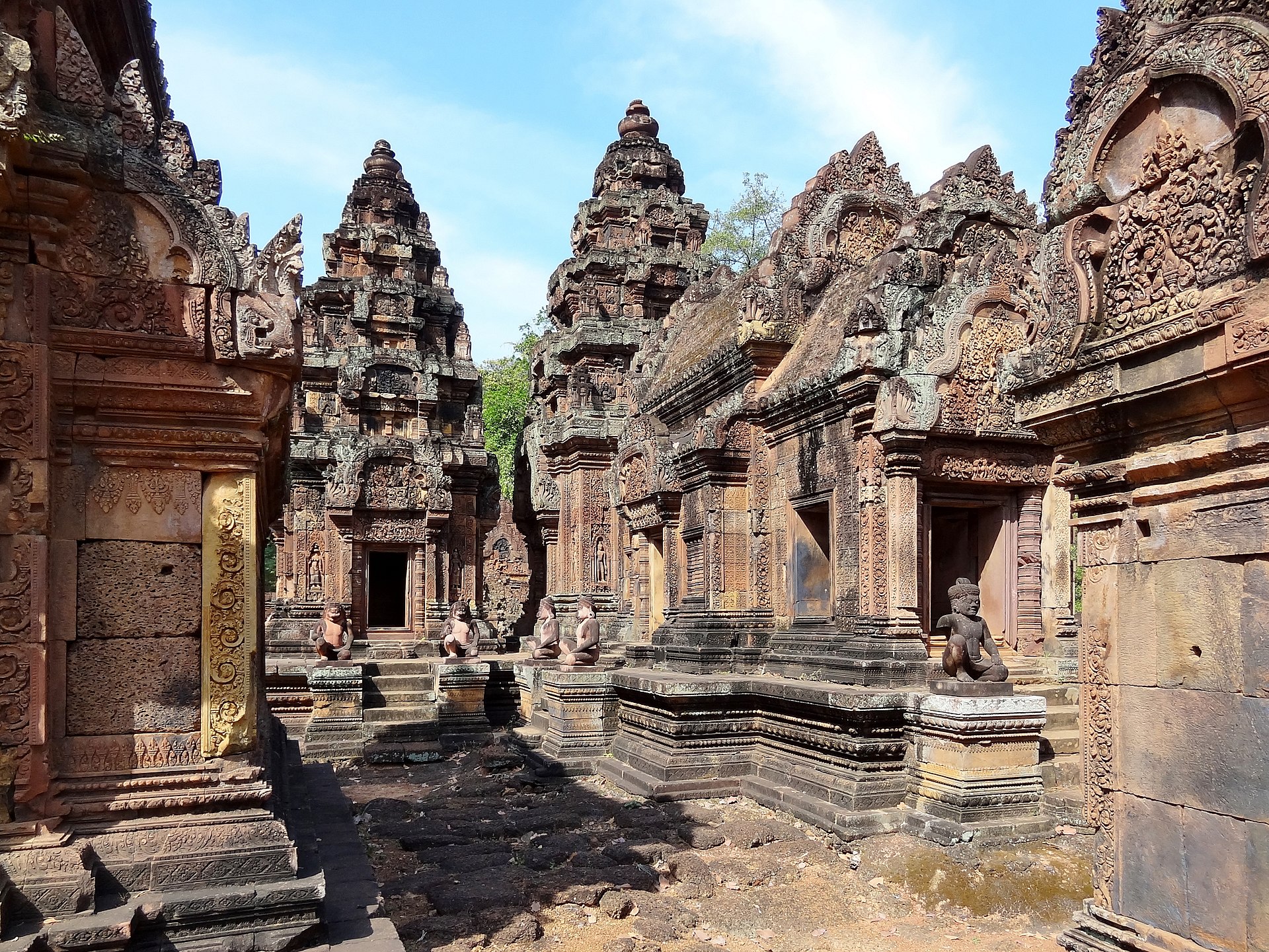
Banteay Srei is the jewel box of Angkor — a 10th-century Hindu temple 25 kilometres northeast of the main complex whose miniature scale and extraordinarily detailed pink sandstone carvings make it the most artistically refined temple in the entire Khmer architectural tradition.
Baphuon
Taphul Street, Svay Dankum, Siem Reap, Cambodia
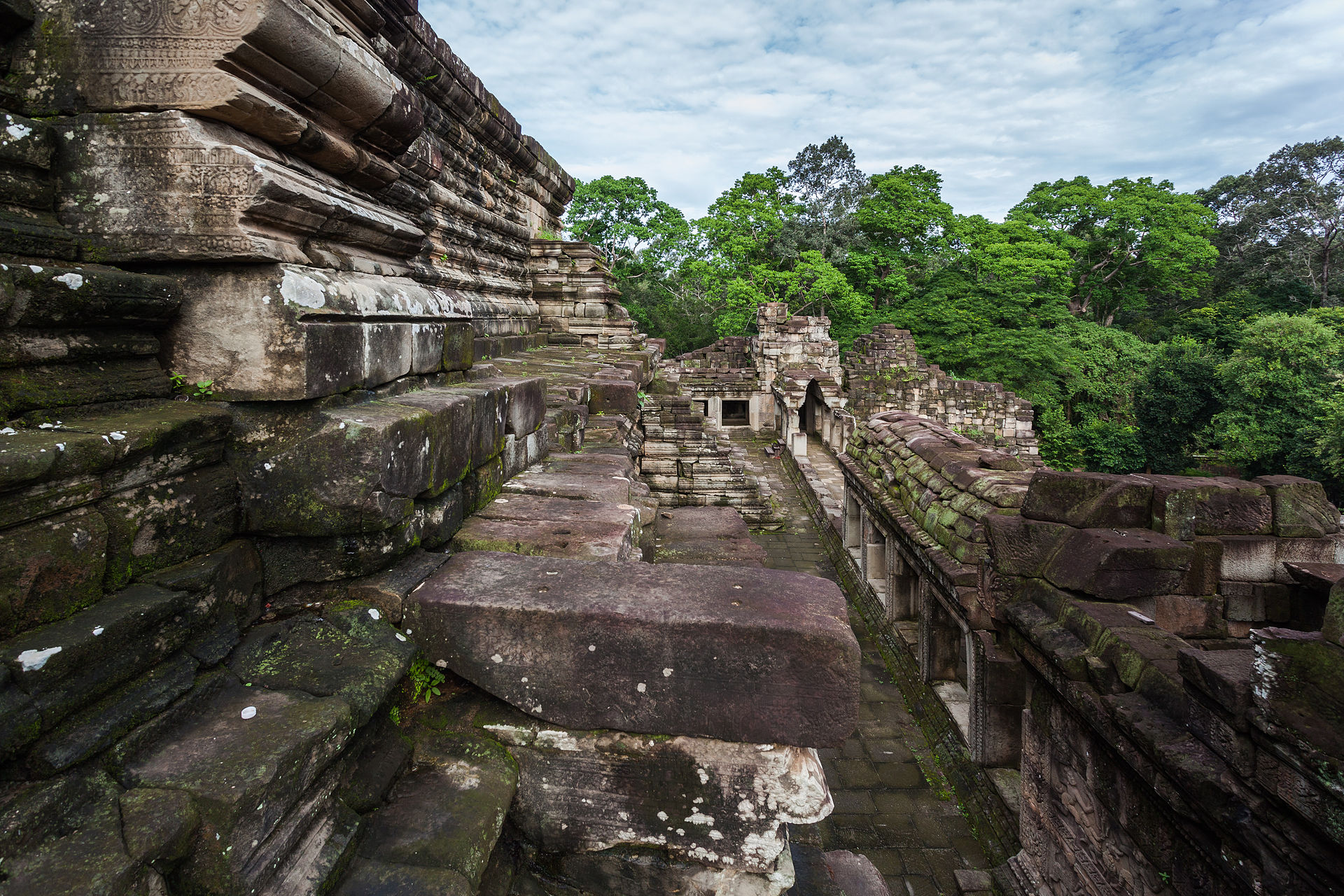
Baphuon is a massive 11th-century temple-mountain inside Angkor Thom dedicated to Shiva — the temple was built around 1060 under King Udayadityavarman II and originally rose three pyramidal levels to a bronze-clad tower that Chinese envoy Zhou Daguan (who visited Angkor in 1296) called one of the great wonders of the empire.
Bayon Temple
Angkor Thom, Angkor Archaeological Park, Siem Reap
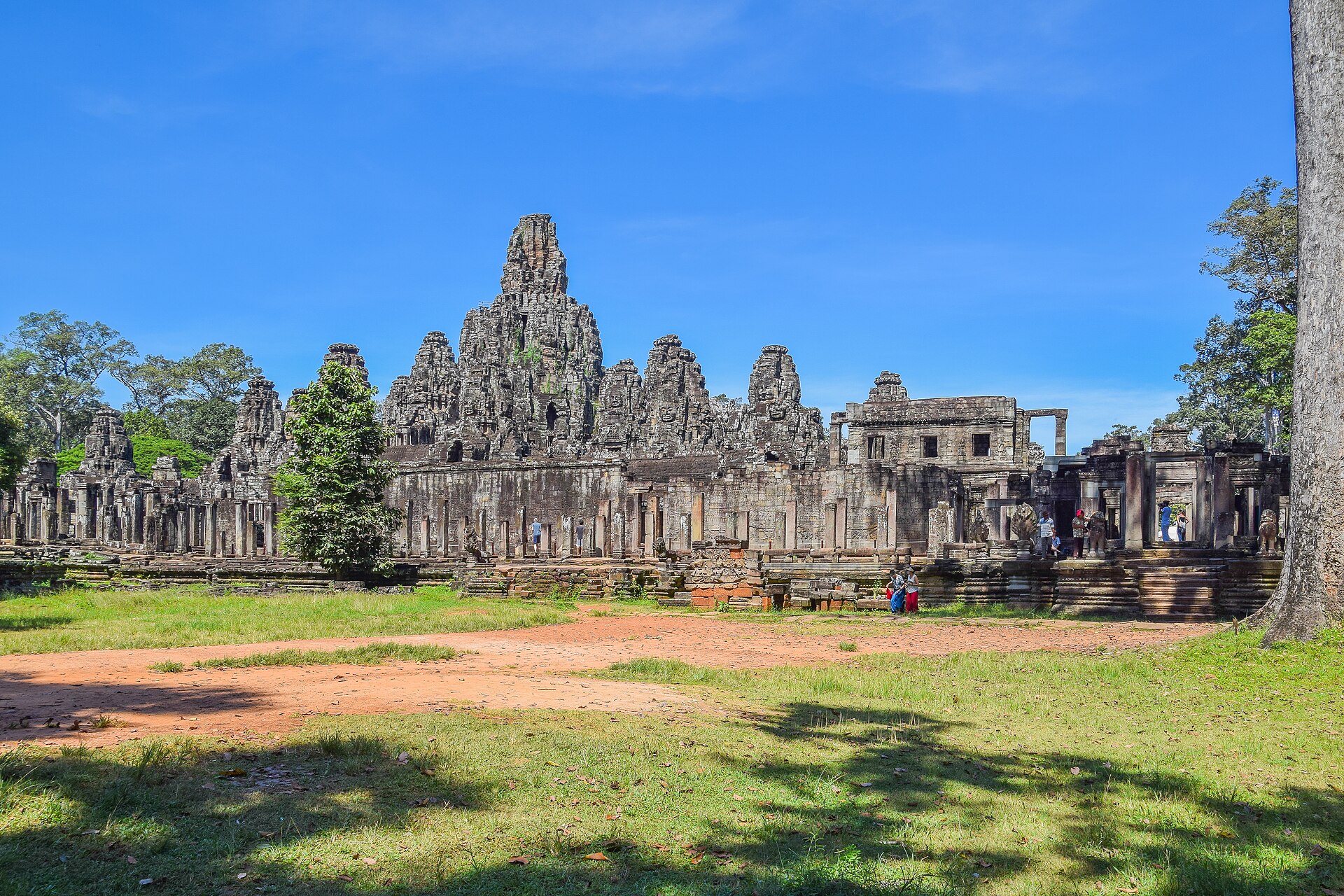
Bayon is the most enigmatic temple at Angkor — a late 12th-century Buddhist temple at the exact centre of Angkor Thom (the walled city that succeeded Angkor Wat as the Khmer capital) whose 216 enormous stone faces, each carved with a serene, slightly smiling expression, gaze outward in every direction from the temple's towers.
Beng Mealea
Nokor Thum, Siem Reap, Cambodia
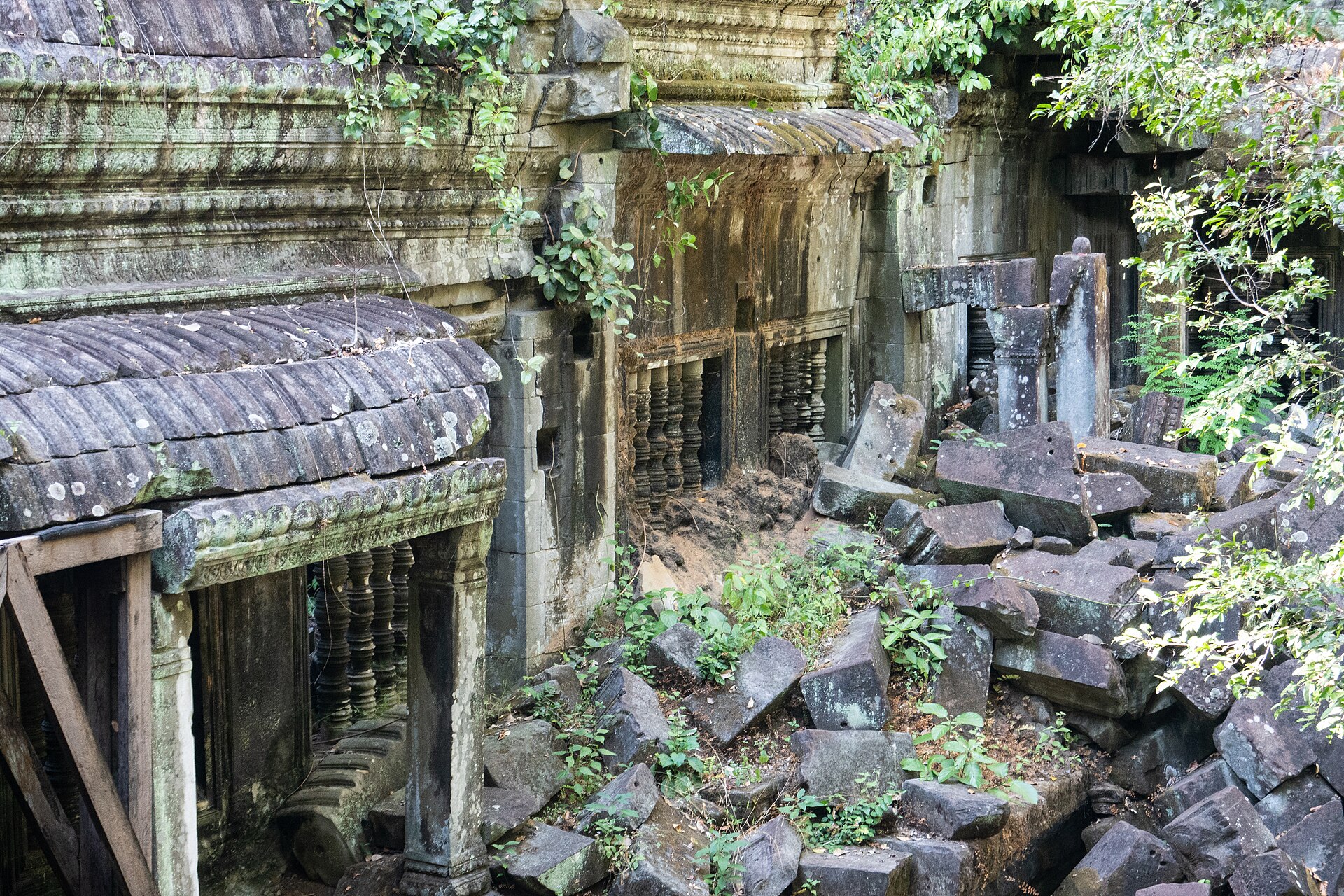
Beng Mealea is the Indiana Jones temple — a massive 12th-century temple 40 kilometres east of the main Angkor complex that has been left almost entirely unrestored, with collapsed galleries, tree roots threading through carved walls, and the jungle growing through every crack with an enthusiasm that makes Ta Prohm look tidy.
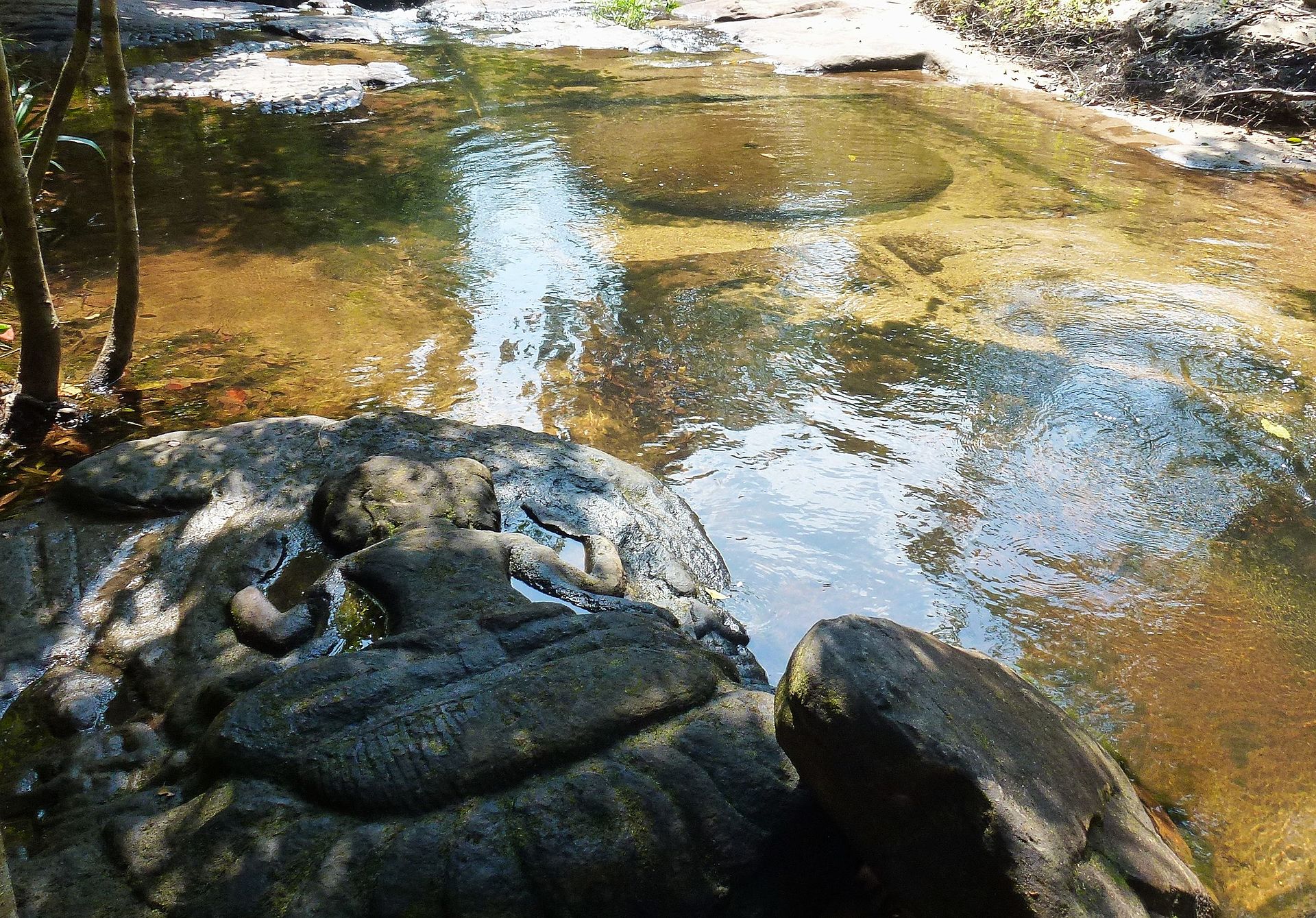
Kbal Spean
Kbal Spean, Banteay Srei District
Kbal Spean ('Head of the Bridge') is the 'River of a Thousand Lingas' — a stretch of the Stung Kbal Spean river 50 kilometres north of Siem Reap (beyond Banteay Srei) where 11th and 12th-century Khmer craftsmen carved hundreds of Shiva lingams, yoni bases, and scenes from Hindu mythology directly into the sandstone riverbed.
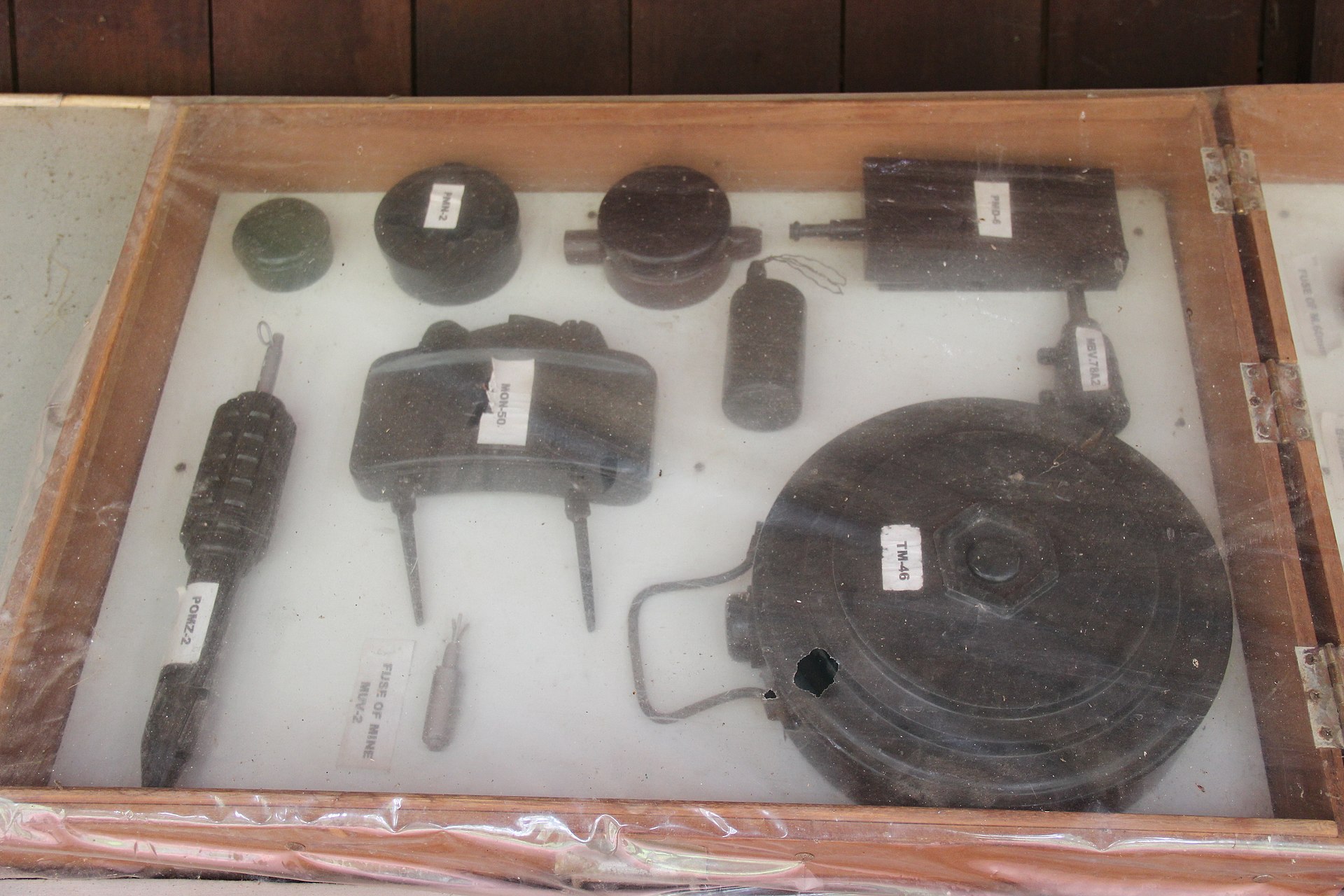
Landmine Museum
Angkor District, Siem Reap Province
The Cambodia Landmine Museum is the most powerful museum in Siem Reap — a small institution founded by Aki Ra, a former child soldier who was forced to lay landmines as a boy and has spent his adult life removing them by hand.
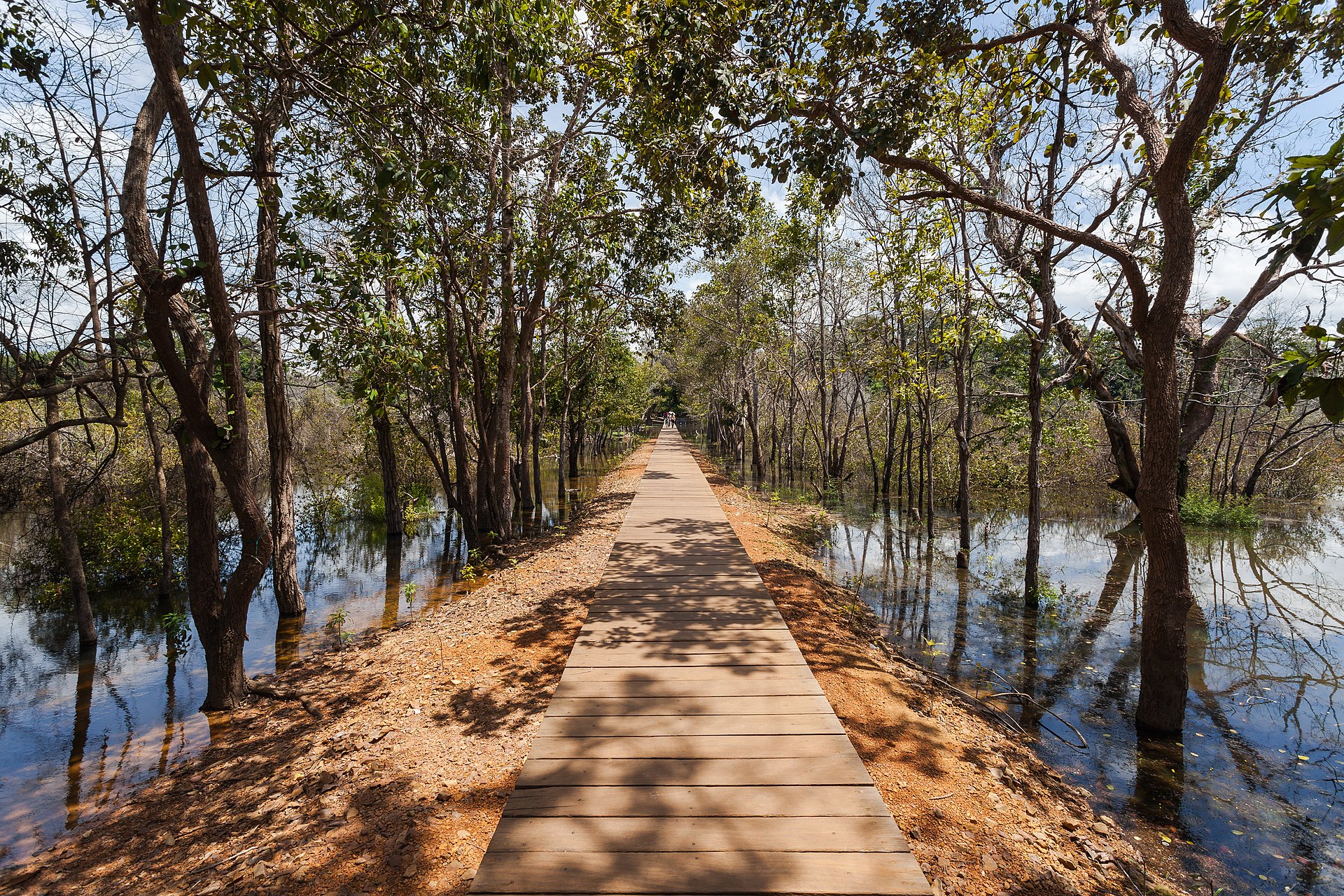
Neak Pean
Angkor Archaeological Park
Neak Pean is one of Angkor's most unusual temples — a 12th-century Buddhist shrine on a small artificial island in the centre of a square baray, surrounded by four smaller pools representing the four elements (water, earth, fire, and wind).
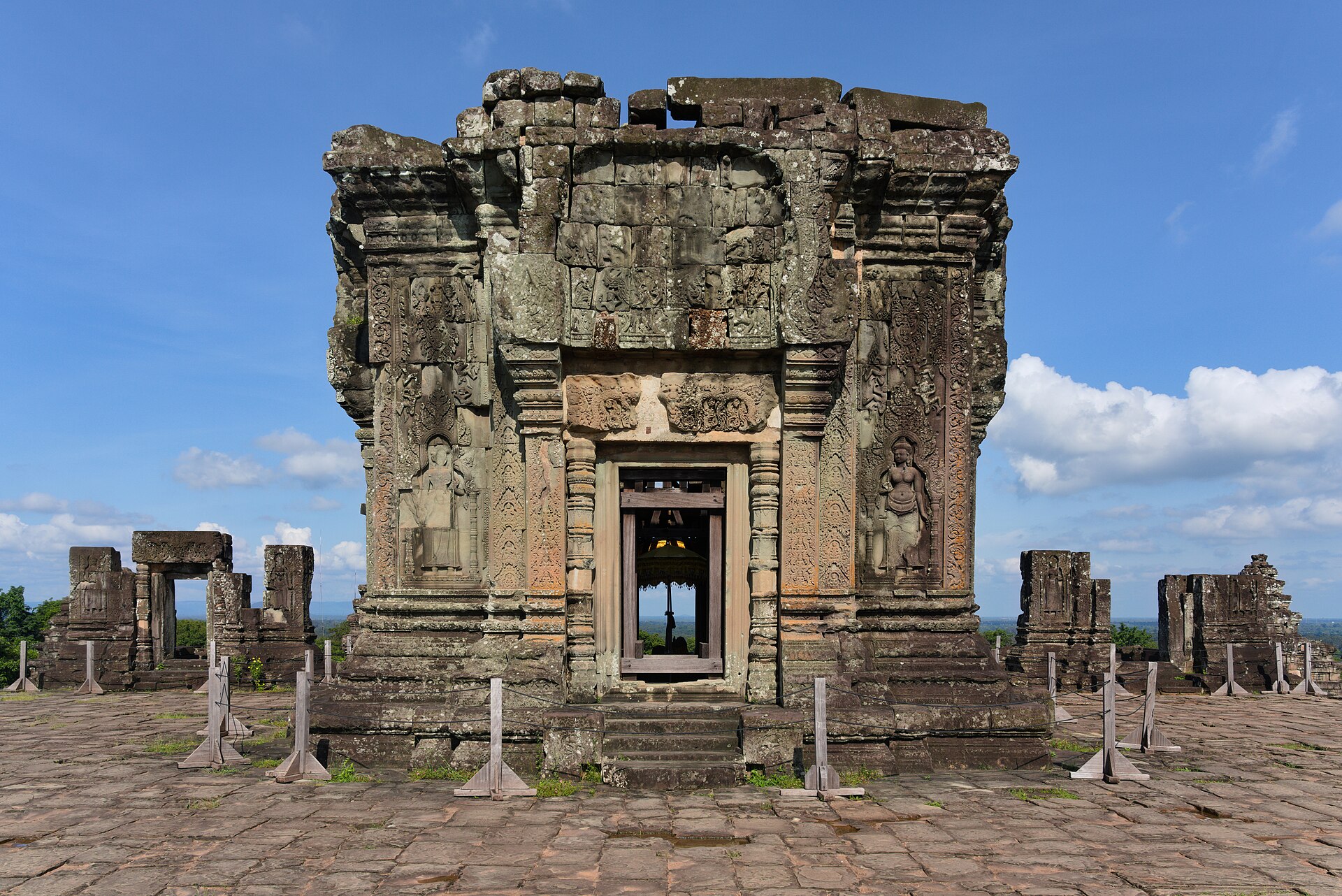
Phnom Bakheng Sunset
Phnom Bakheng, Angkor
Phnom Bakheng is a hilltop temple-mountain between Angkor Wat and Angkor Thom that was built in the late 9th century as the state temple of the first city of Angkor (Yasodharapura, founded by King Yasovarman I around 900 AD) — predating Angkor Wat by over 200 years.
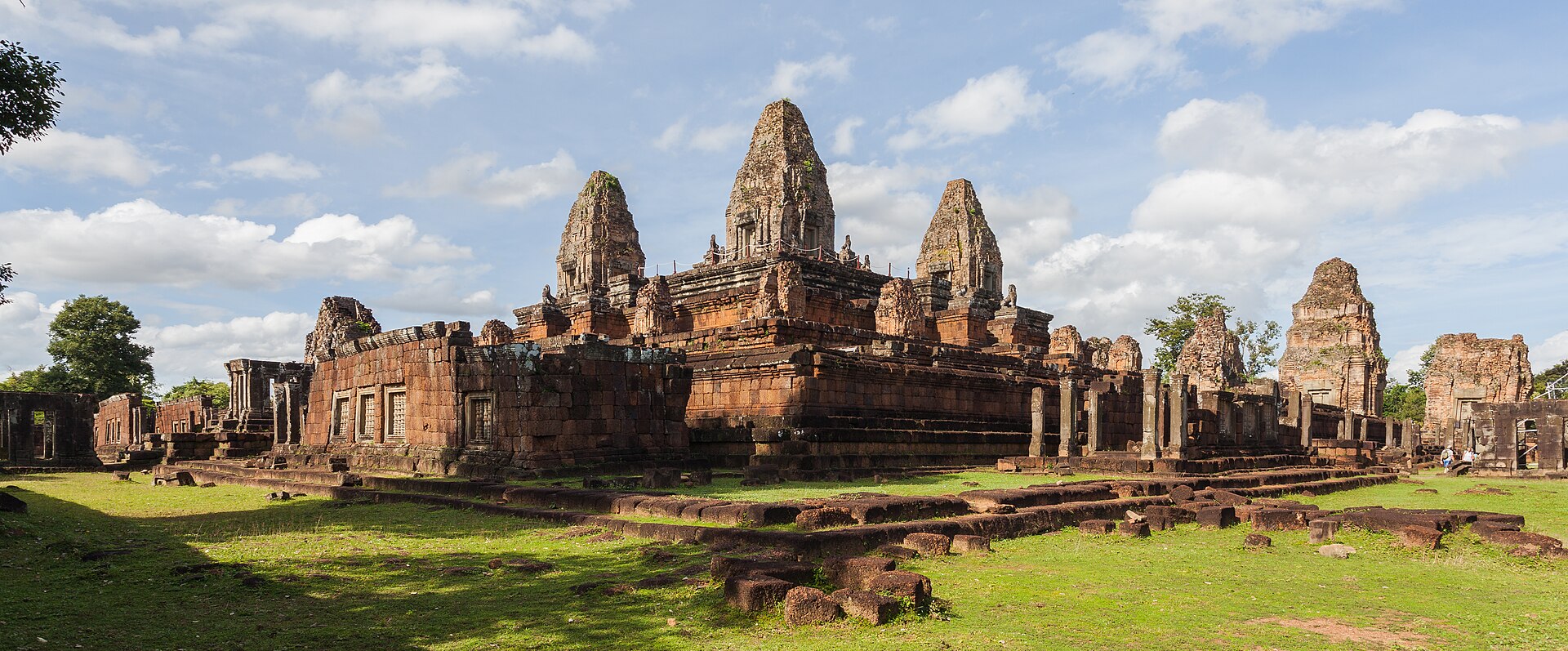
Pre Rup
Angkor Archaeological Park
Pre Rup is a 10th-century temple-mountain on the Large Circuit that is one of the best sunset alternatives to Phnom Bakheng — a stepped pyramid of brick, laterite, and sandstone topped by five towers in the quincunx arrangement that became standard in later Khmer architecture.
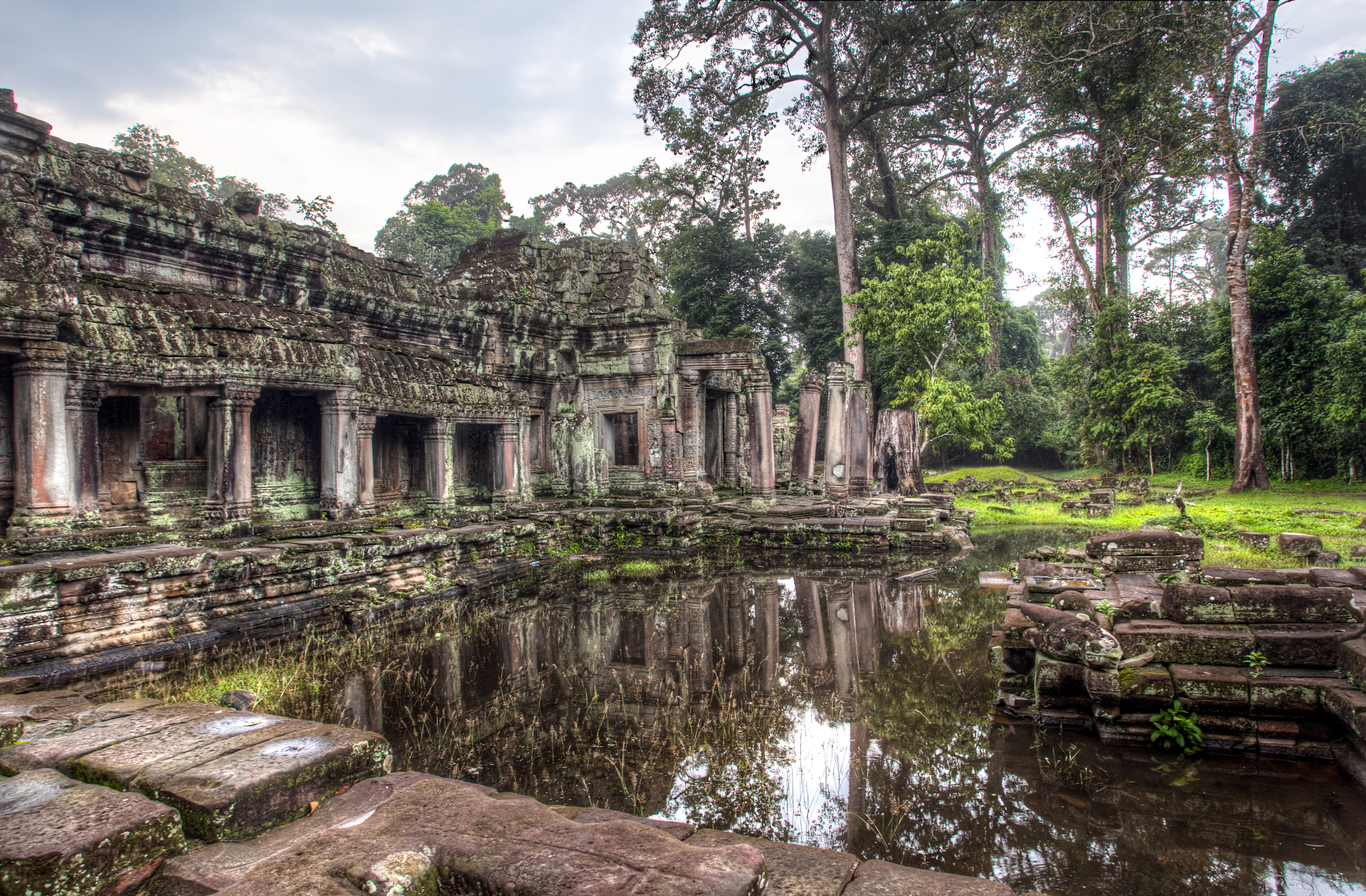
Preah Khan
Angkor Archaeological Park, Siem Reap
Preah Khan is one of the largest temple complexes at Angkor — a sprawling 12th-century Buddhist university and monastery built by Jayavarman VII that is less visited than Angkor Wat, Bayon, or Ta Prohm but offers an equally rewarding (and considerably less crowded) experience.
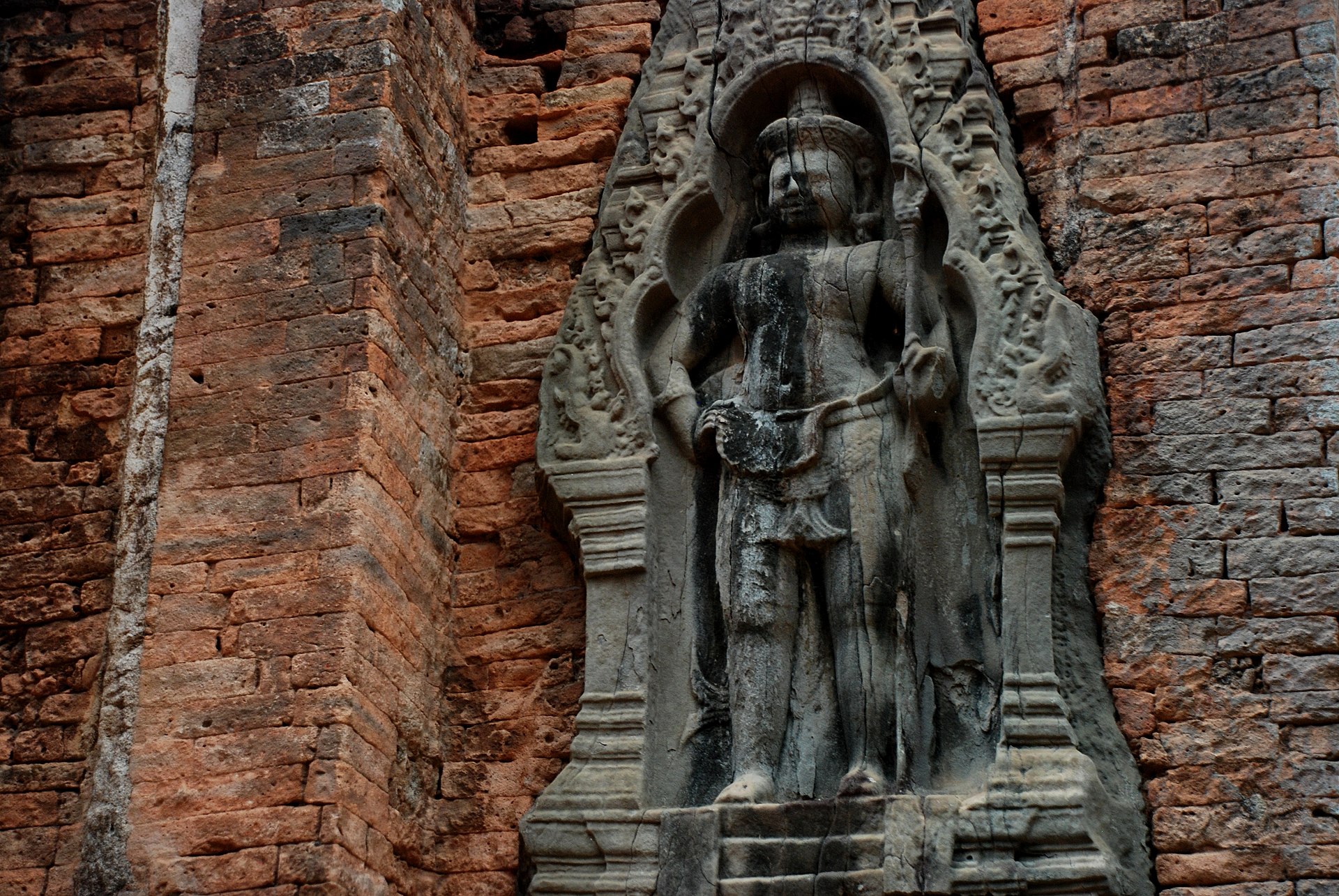
Roluos Group
Roluos, 13 km east of Siem Reap
The Roluos Group — three temples 13 kilometres east of Siem Reap (Preah Ko, Bakong, and Lolei) — are the oldest major Angkorian temples, built in the 880s at the site of Hariharalaya, the first capital of the Khmer empire before it moved to the main Angkor area.
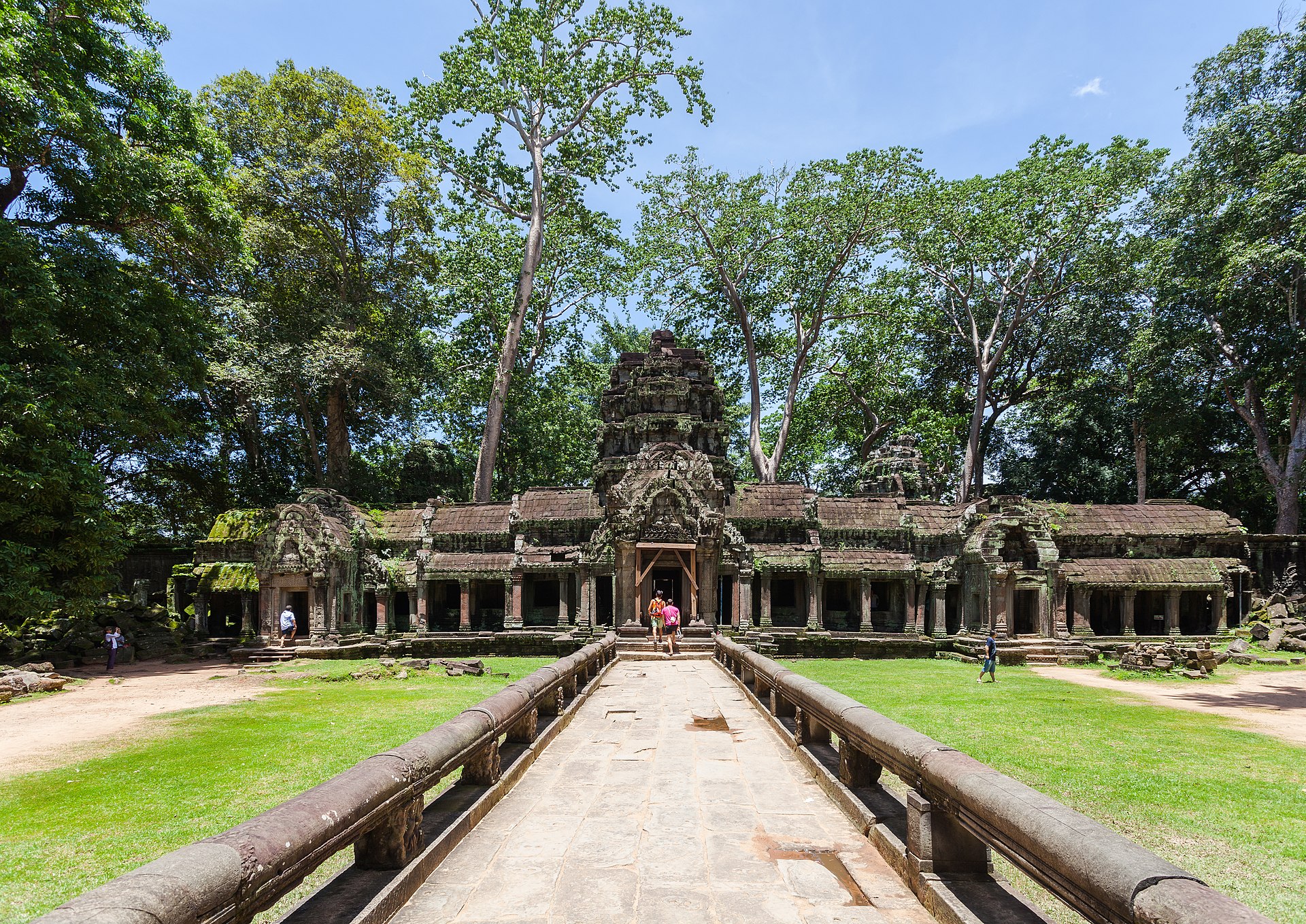
Ta Prohm (Tomb Raider Temple)
Angkor Archaeological Park, Siem Reap
Ta Prohm is the temple that the jungle reclaimed — a 12th-century Buddhist monastery that was deliberately left in the condition the French conservators found it, with massive silk-cotton and strangler fig trees growing through the stone walls, their roots prying apart carved galleries and wrapping around doorways in a slow-motion embrace between architecture and nature.
Ta Som
Angkor Archaeological Park
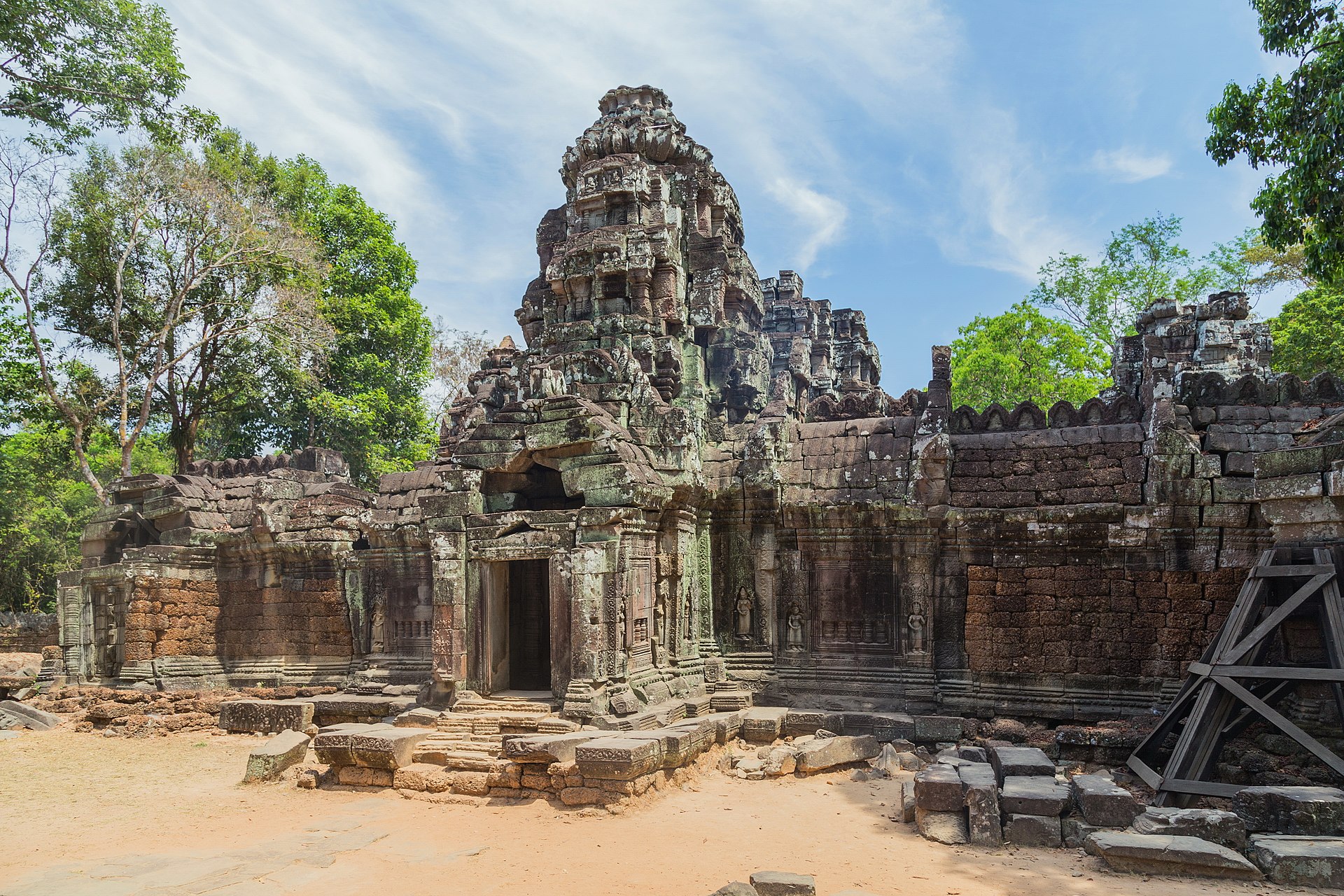
Ta Som is a small, intimate temple on the Grand Circuit built in the late 12th century by Jayavarman VII that offers one of Angkor's most photogenic tree-over-gopura images — the eastern gopura (gate tower) has an enormous strangler fig whose roots cascade over the carved face of a Buddha, creating a scene that rivals anything at Ta Prohm while drawing a fraction of the crowds.
Wat Thmei (Killing Fields Memorial)
Charles de Gaulle Boulevard, Siem Reap
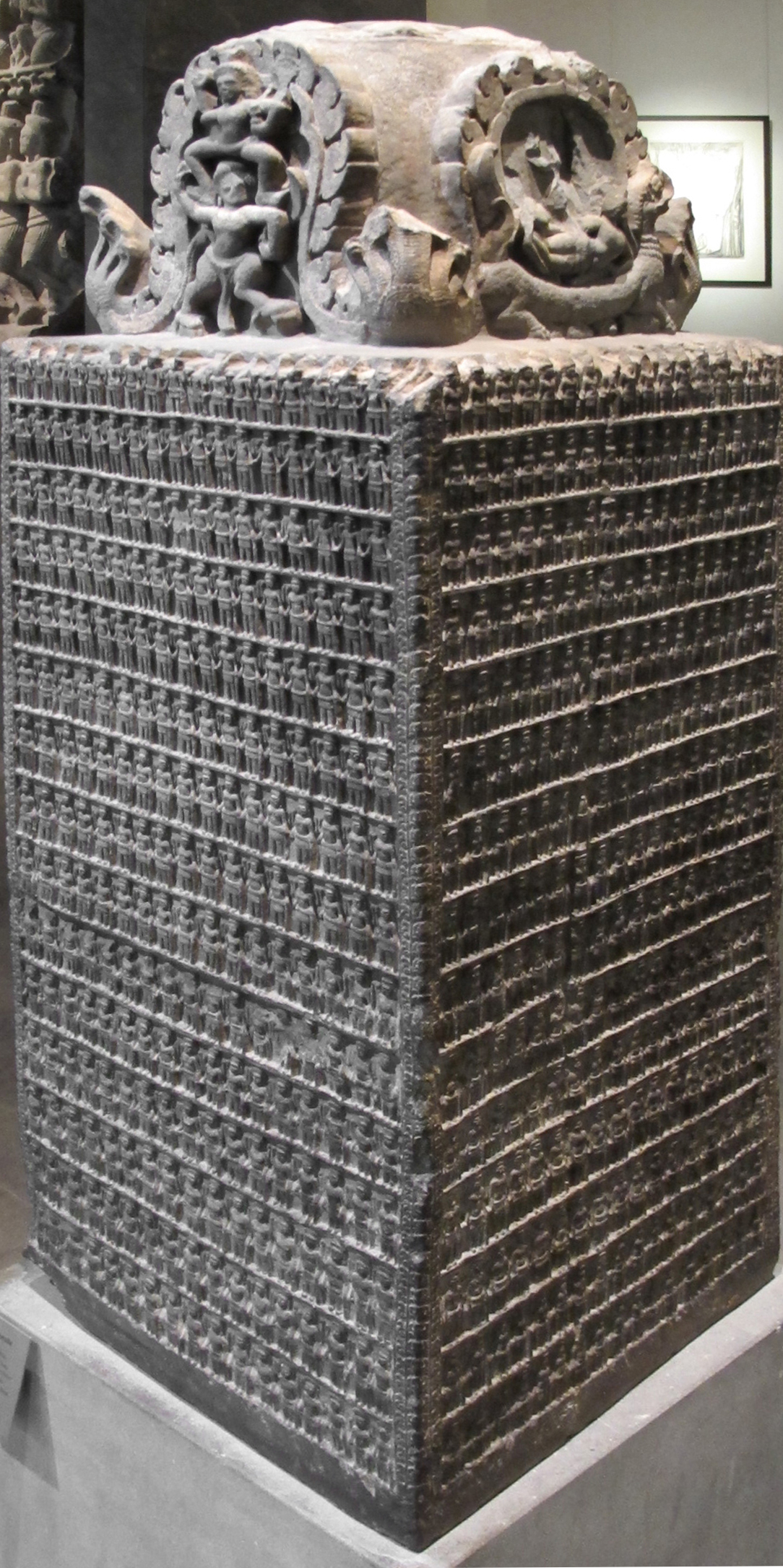
Wat Thmei is a Buddhist pagoda on the road to Angkor Wat that houses Siem Reap's main Khmer Rouge memorial — a glass-walled stupa containing the skulls and bones of about 500 victims of the 1975-79 genocide, many of whom were killed on the pagoda grounds.
Explore history in Siem Reap
GPS-guided narration at every landmark. Tap a spot on the map, hear the story. Every fact verified.