15 Stunning Architecture Landmarks in Helsinki
15 landmarks with verified facts and stories
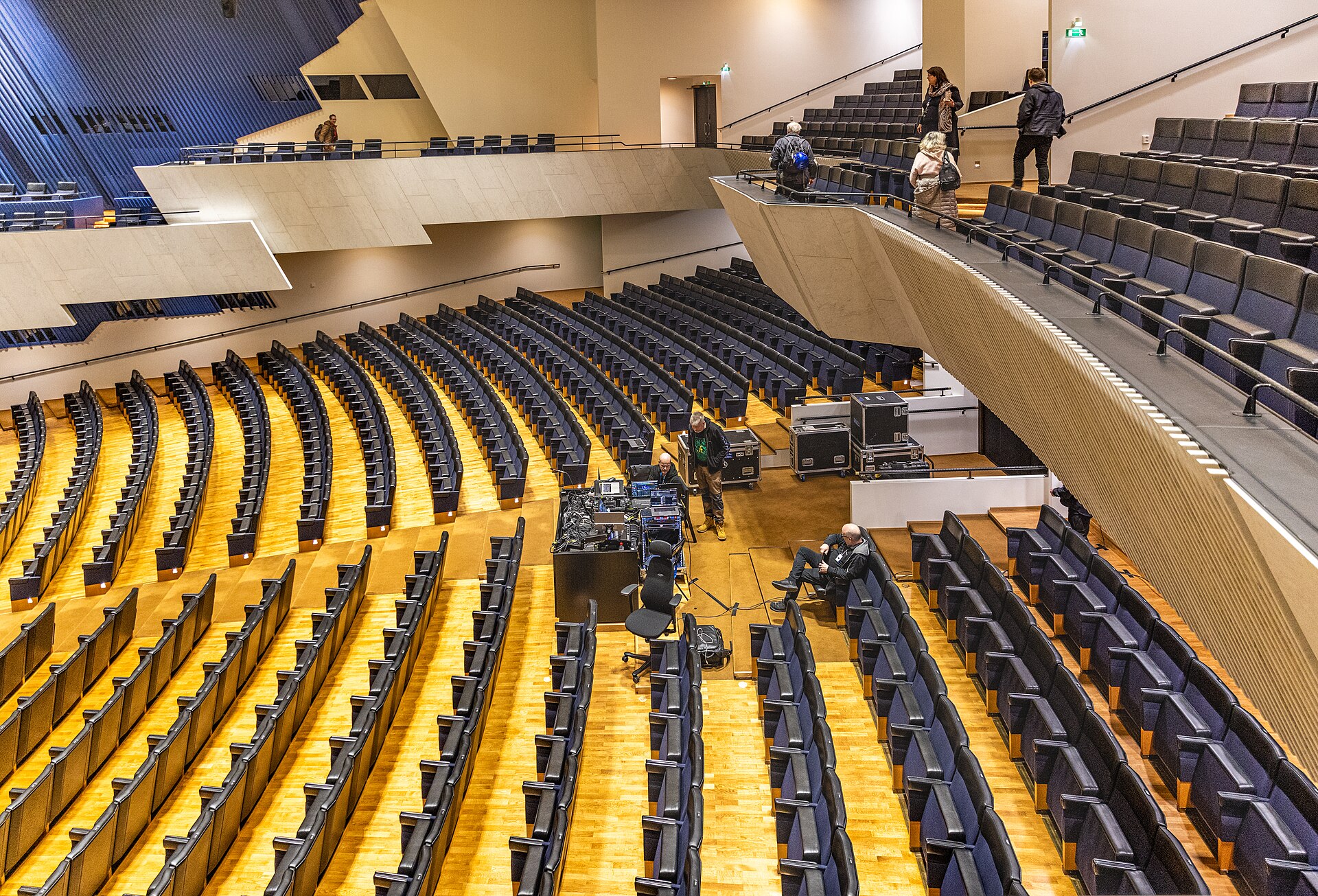
Alvar Aalto's Finlandia Hall
Mannerheimintie 13e, 00100 Helsinki
Finlandia Hall is Alvar Aalto's most prominent building in Helsinki — a concert and convention hall completed in 1971 that sits on the shore of Töölönlahti Bay like a ship made of white Carrara marble.
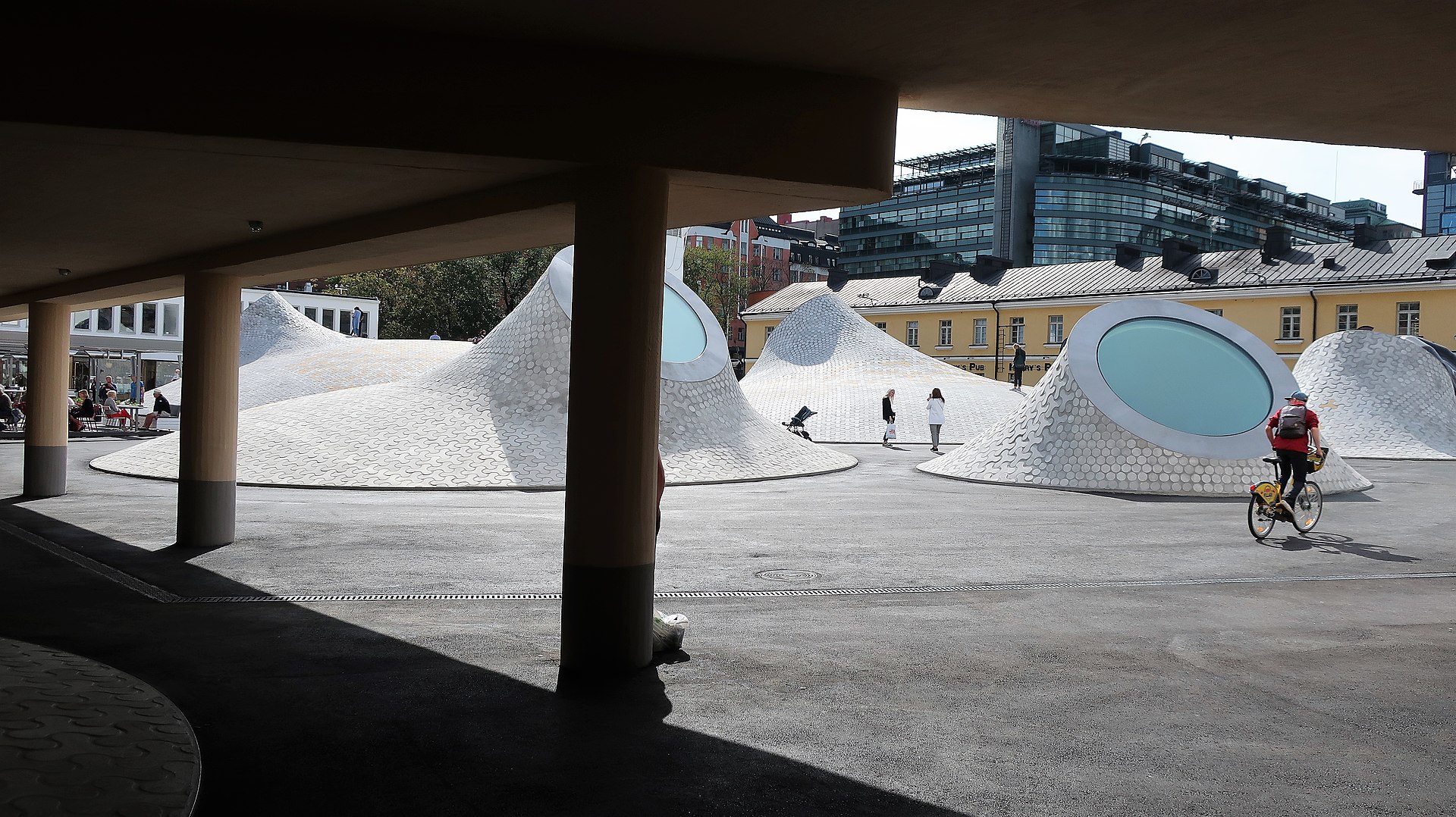
Amos Rex
Mannerheimintie 22-24, 00100 Helsinki
Amos Rex is Helsinki's most exciting contemporary art museum — an underground gallery beneath Lasipalatsi (Glass Palace) Square whose presence is announced by a series of domed skylights that bulge from the plaza surface like bubbles rising from the earth.
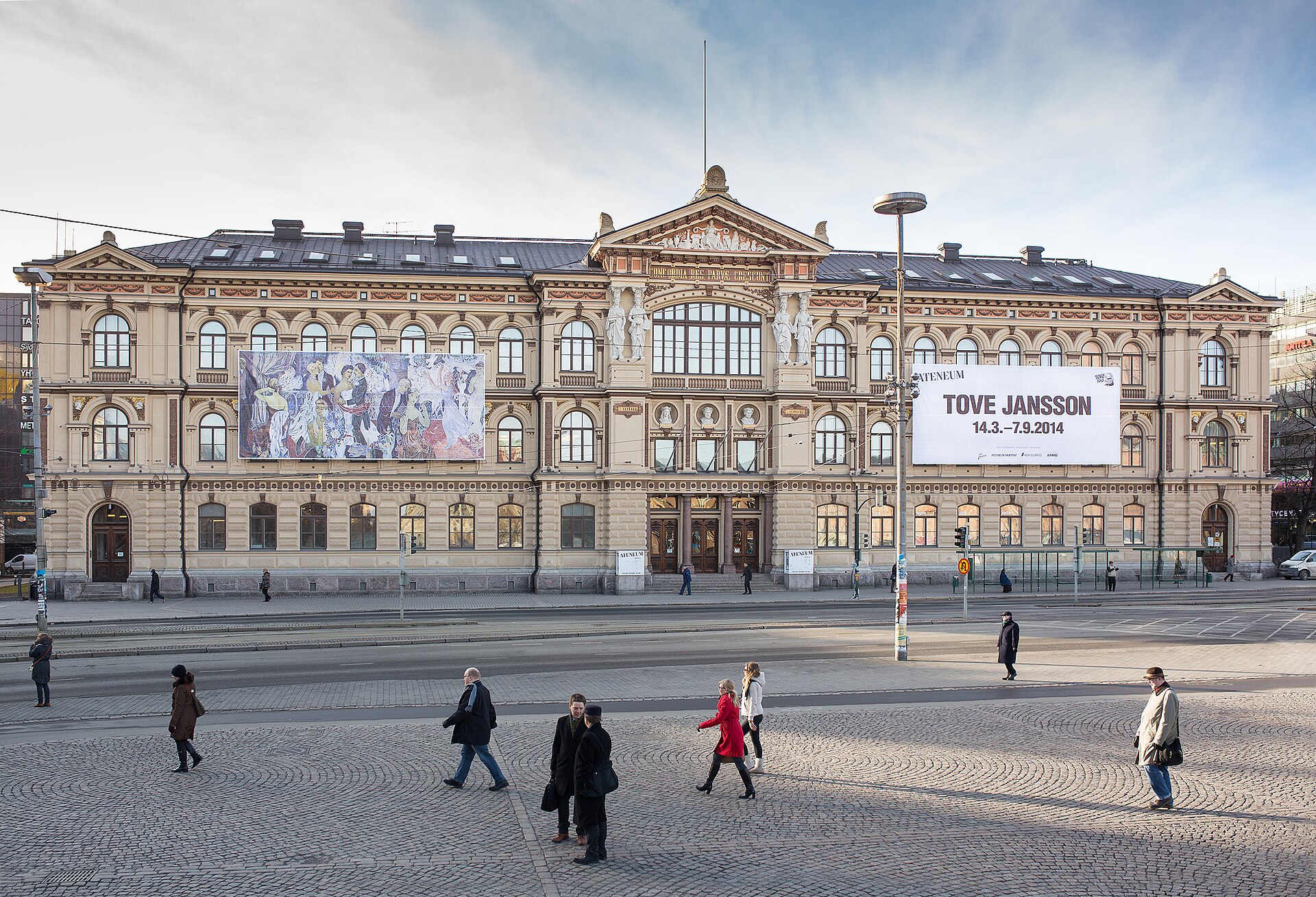
Ateneum Art Museum
Kaivokatu 2, 00100 Helsinki
The Ateneum is Finland's most important art museum — a Renaissance Revival building from 1887 that houses the national collection of Finnish art from the 18th century to the 1950s, including the defining works of Finnish visual culture: Akseli Gallen-Kallela's Kalevala paintings, Albert Edelfelt's Parisian-influenced portraits, and Hugo Simberg's strange, haunting allegories that remain among the most recognisable images in Nordic art.
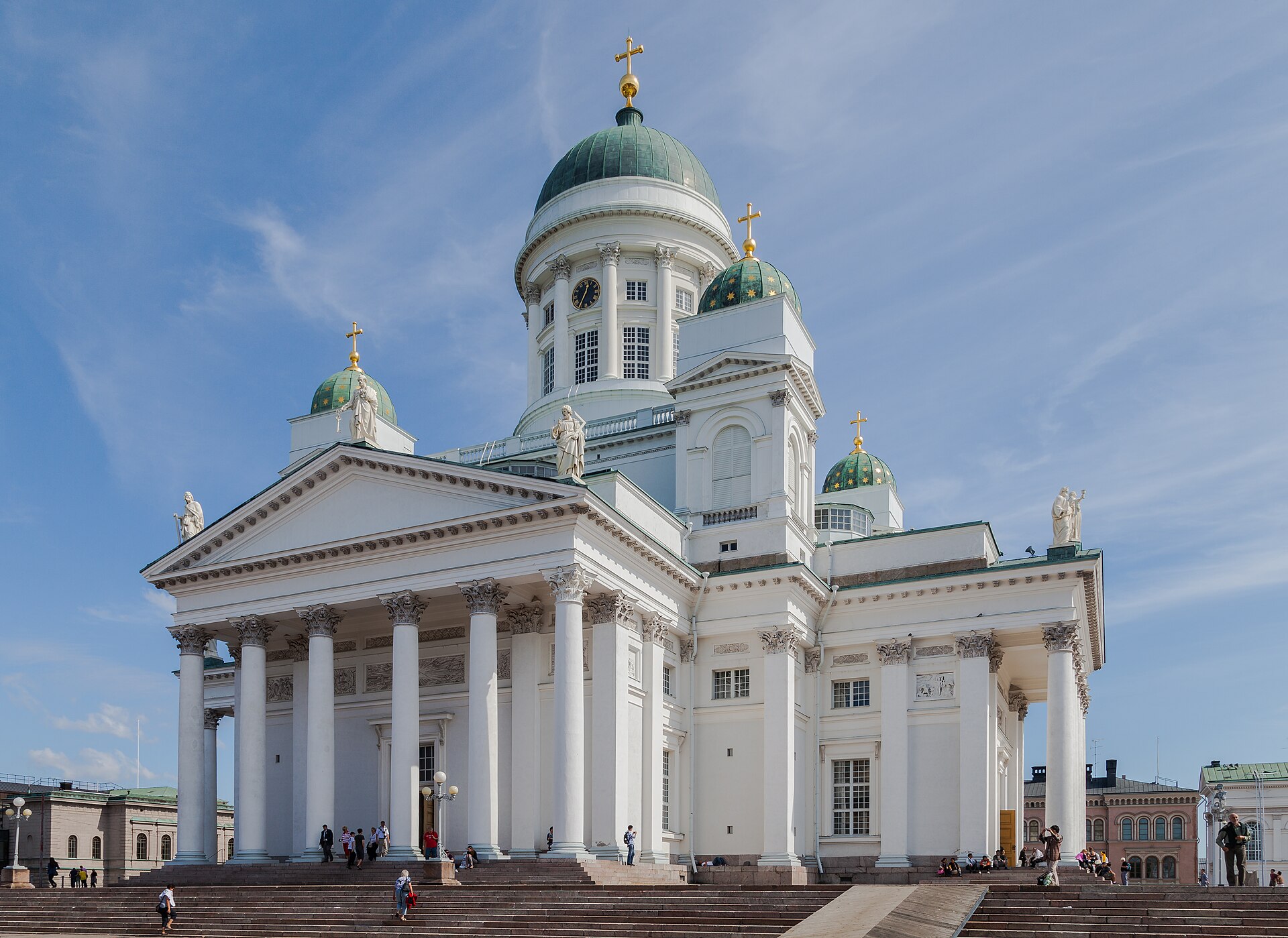
Helsinki Cathedral (Tuomiokirkko)
Unioninkatu 29, 00170 Helsinki
Helsinki Cathedral is the white neoclassical landmark that defines the city's skyline — a domed church sitting atop a monumental flight of steps on Senate Square that is visible from the harbour and has been the symbol of Helsinki since Carl Ludvig Engel completed it in 1852.
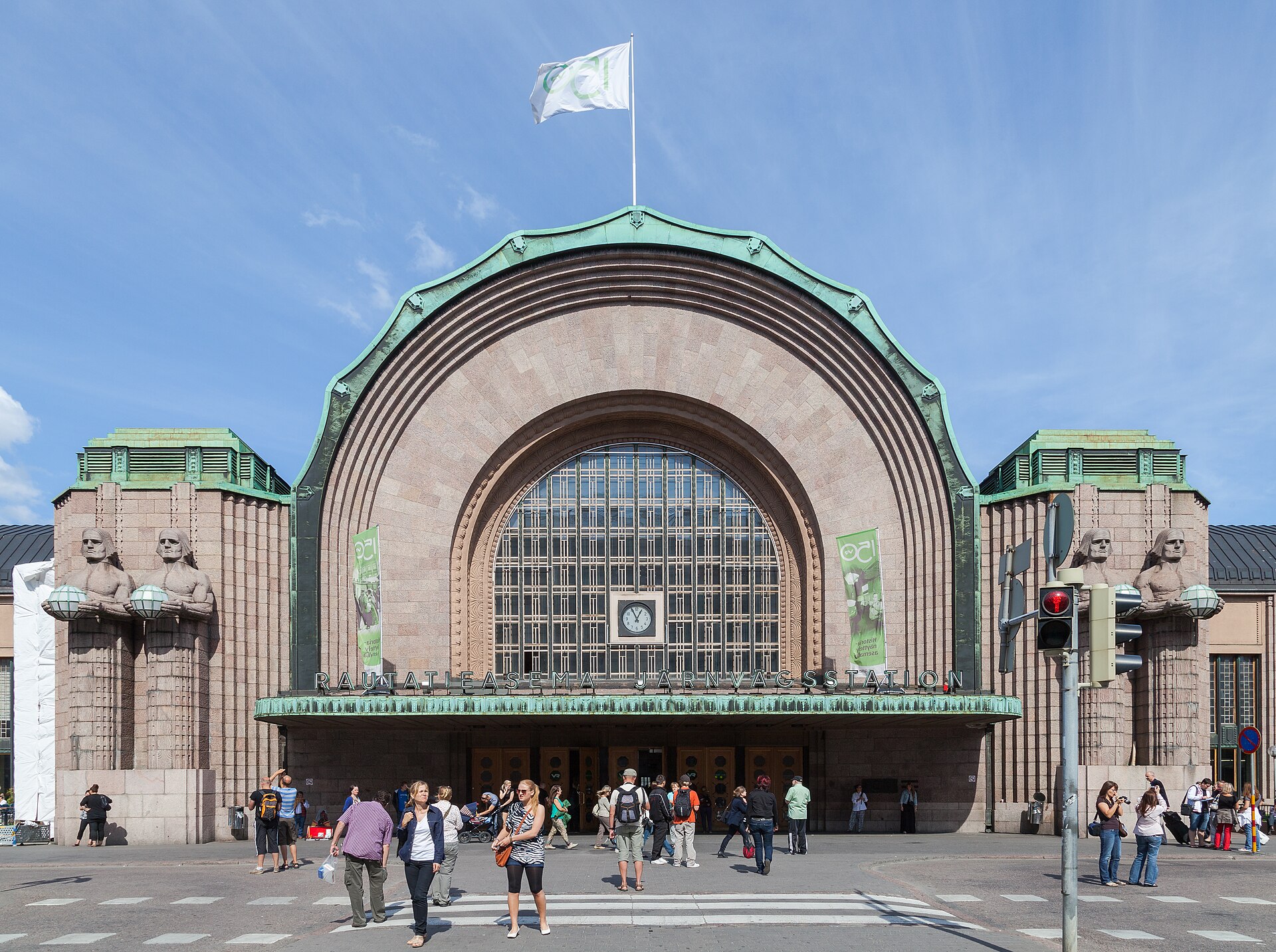
Helsinki Central Railway Station
Kaivokatu 1, 00100 Helsinki
Helsinki Central Station is the most recognisable building in Finland — a granite Art Nouveau-meets-Art Deco railway station designed by Eliel Saarinen and completed in 1919, whose clock tower, arched entrance, and four stone giants holding globe-shaped lamps have become the symbol of Helsinki as surely as the cathedral.
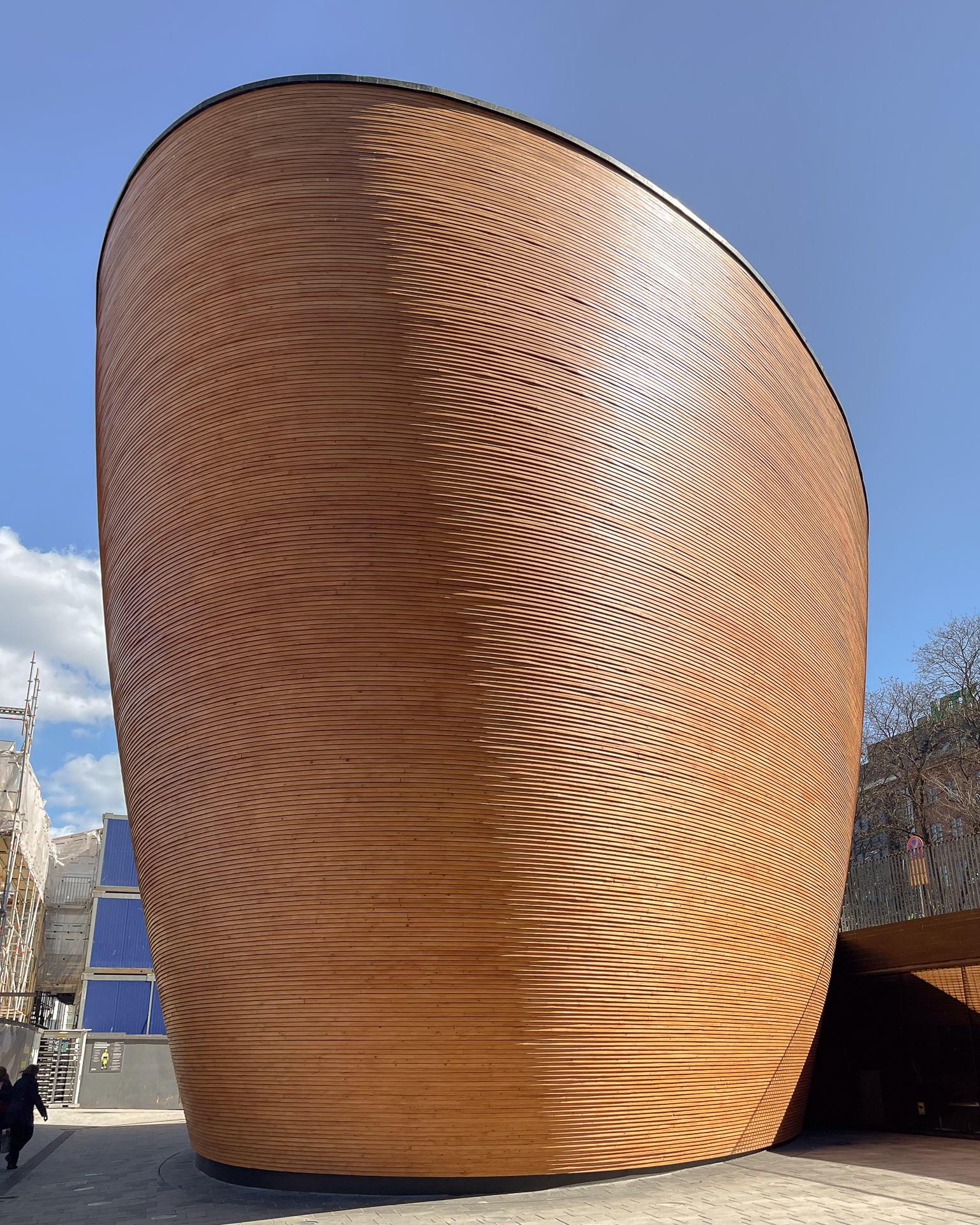
Kamppi Chapel of Silence
Simonkatu 7, 00100 Helsinki
The Kamppi Chapel is a curved wooden vessel of silence in the middle of Helsinki's busiest shopping district — a small, doorless chapel designed by K2S Architects and completed in 2012 that serves no religious denomination and exists solely as a place of quiet in a noisy city.
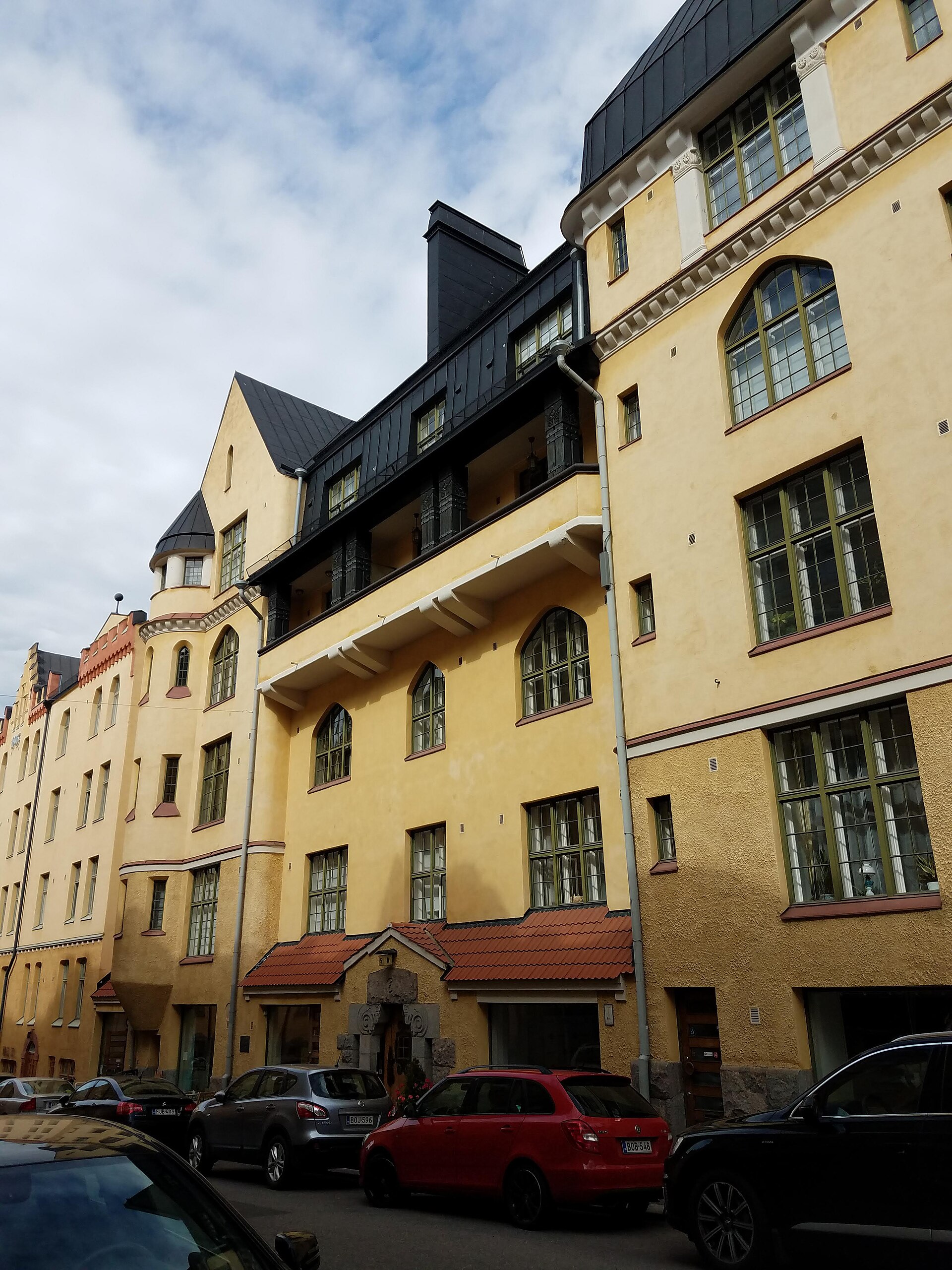
Katajanokka Art Nouveau District
Luotsikatu, Katajanokka, Helsinki, 00160, Finland
Katajanokka is Helsinki's finest Art Nouveau neighbourhood — a peninsula east of the Market Square where nearly every residential building was designed in the Finnish National Romantic or Jugendstil style between 1900 and 1910, creating a streetscape of carved stone facades, turrets, organic ornamentation, and the mythological creatures from Finnish folklore that the architects used as decorative motifs.
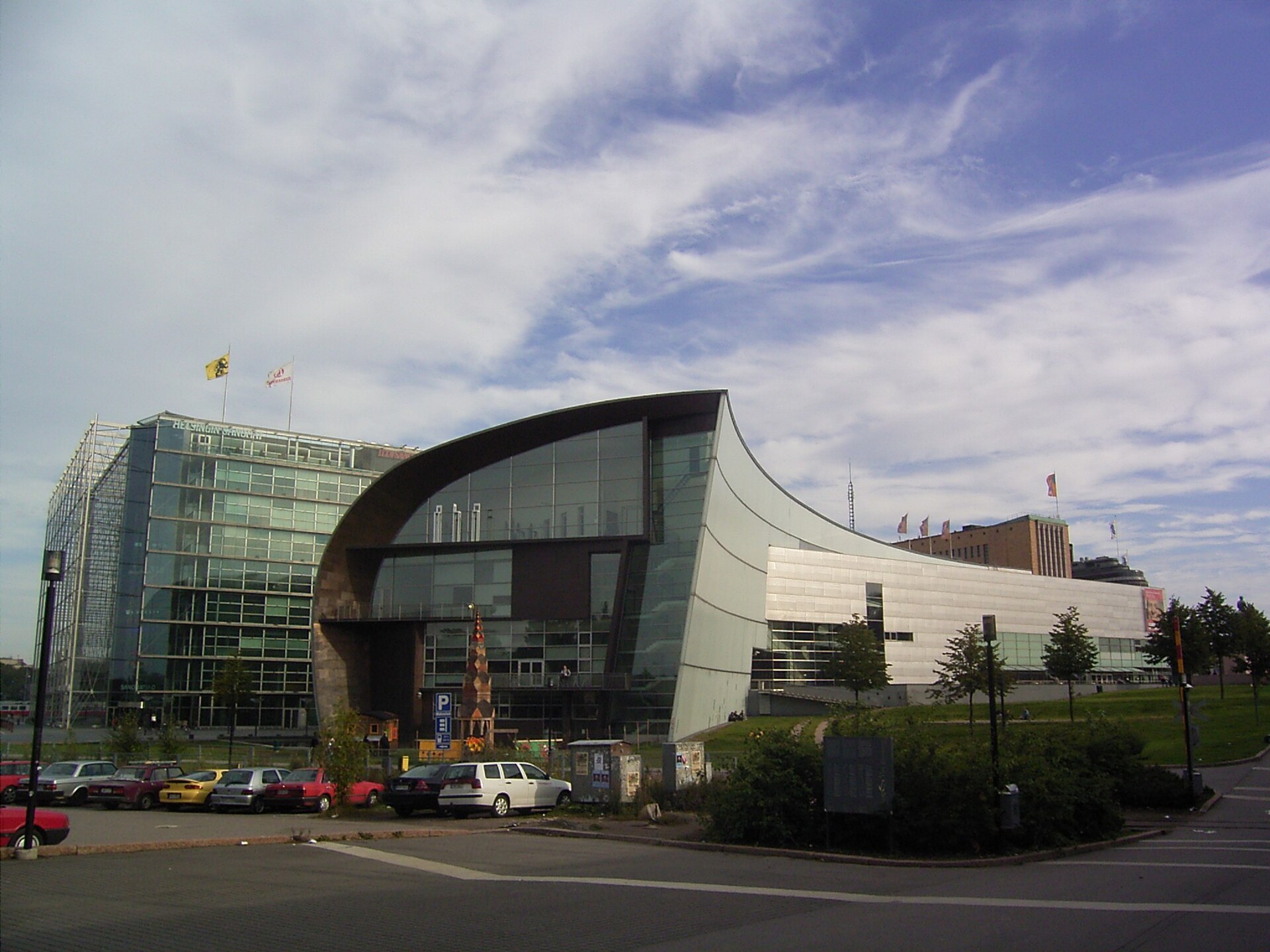
Kiasma Museum of Contemporary Art
Mannerheiminaukio 2, 00100 Helsinki
Kiasma is Finland's national museum of contemporary art — a curving, asymmetric building designed by American architect Steven Holl and completed in 1998 that was controversial when it opened (Finns are not natural enthusiasts of asymmetry) and has since become one of Helsinki's most important cultural landmarks.
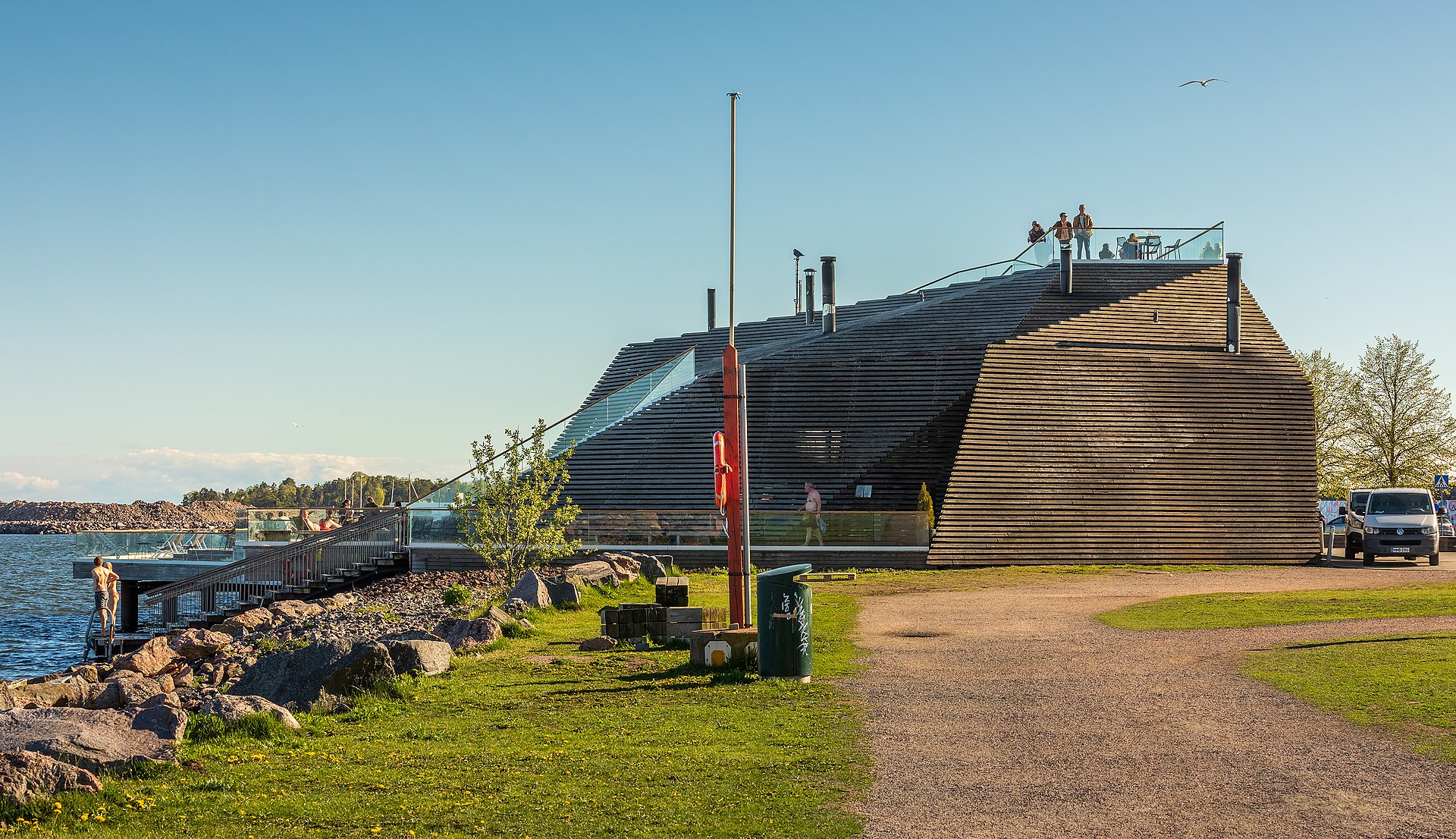
Löyly Sauna
4 Hernesaarenranta, Länsisatama, Helsinki, 00150, Finland
Löyly is Helsinki's most architecturally significant public sauna — a waterfront building of slatted timber that steps down to the sea like a wooden wave, designed by Avanto Architects and opened in 2016 as part of Helsinki's efforts to make its sauna culture accessible to visitors.
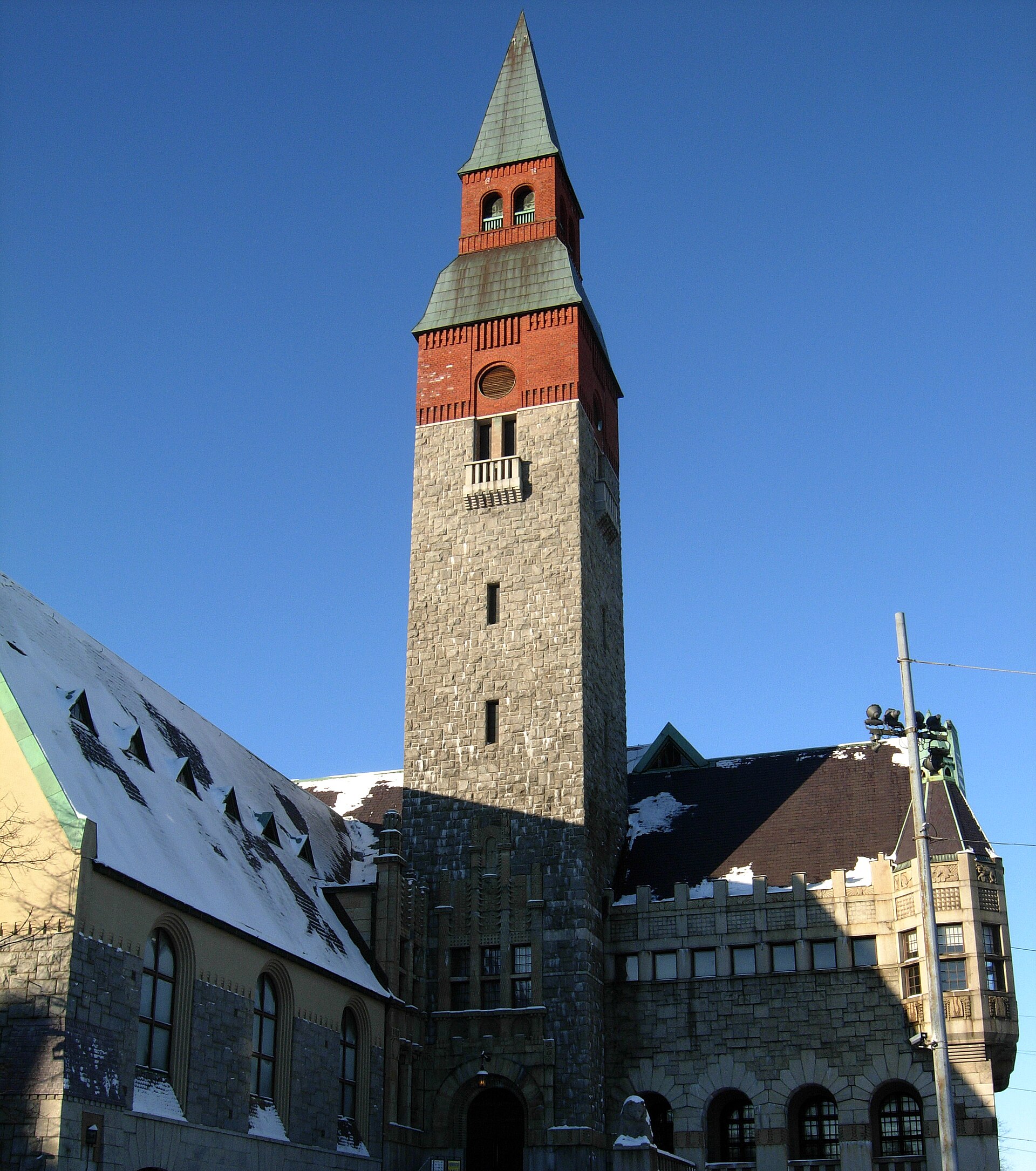
National Museum of Finland
Mannerheimintie 34, 00100 Helsinki
The National Museum of Finland is housed in one of the finest examples of Finnish National Romantic architecture — a castle-like building designed by the trio of Gesellius, Lindgren, and Saarinen (Eliel Saarinen, father of Eero) and completed in 1910, with a tower modelled on medieval Finnish churches, a bear-motif entrance, and frescoes by Akseli Gallen-Kallela depicting scenes from the Kalevala, Finland's national epic.
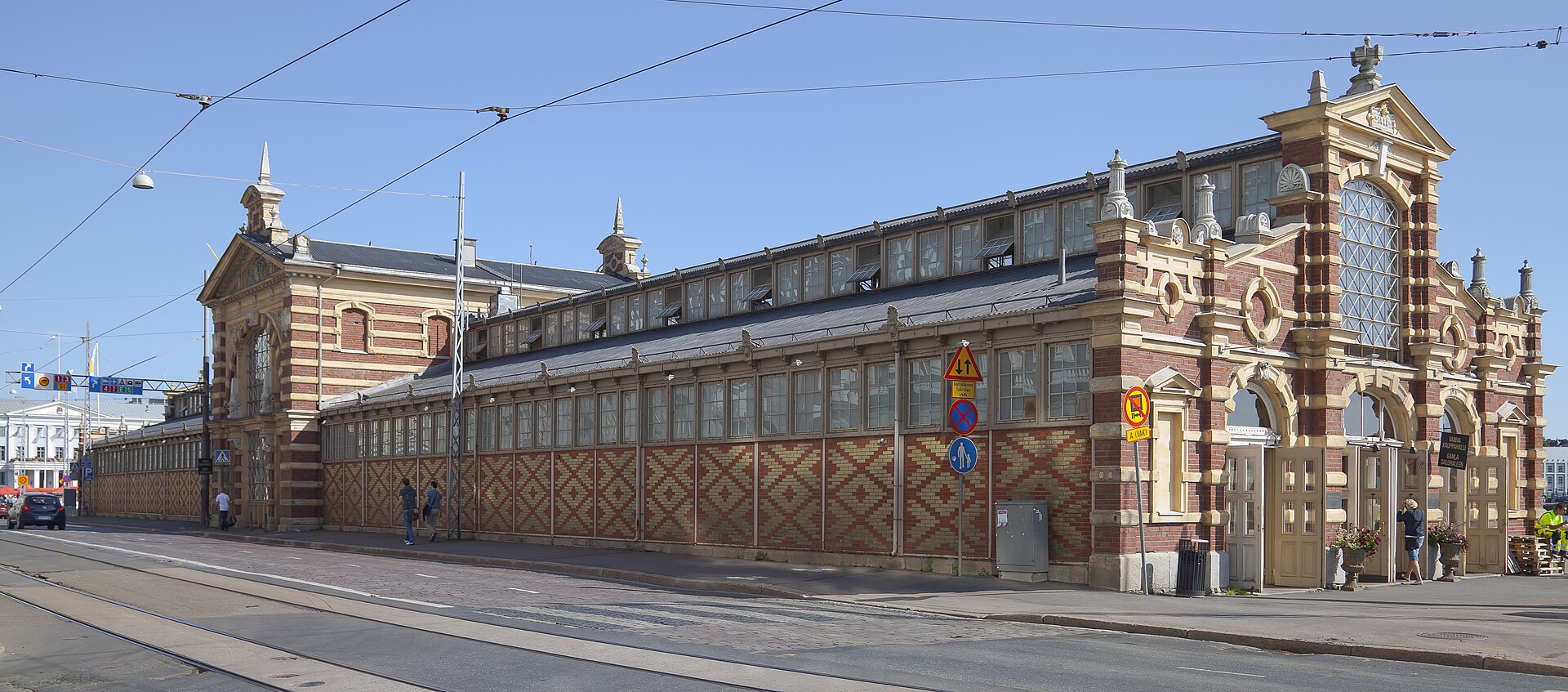
Old Market Hall (Vanha Kauppahalli)
Eteläranta, Kaartinkaupunki, Helsinki, 00130, Finland
The Old Market Hall is Helsinki's most charming food market — a brick building from 1889 on the harbour front that houses permanent food vendors in a space that combines Victorian market architecture with the Finnish obsession with quality ingredients.
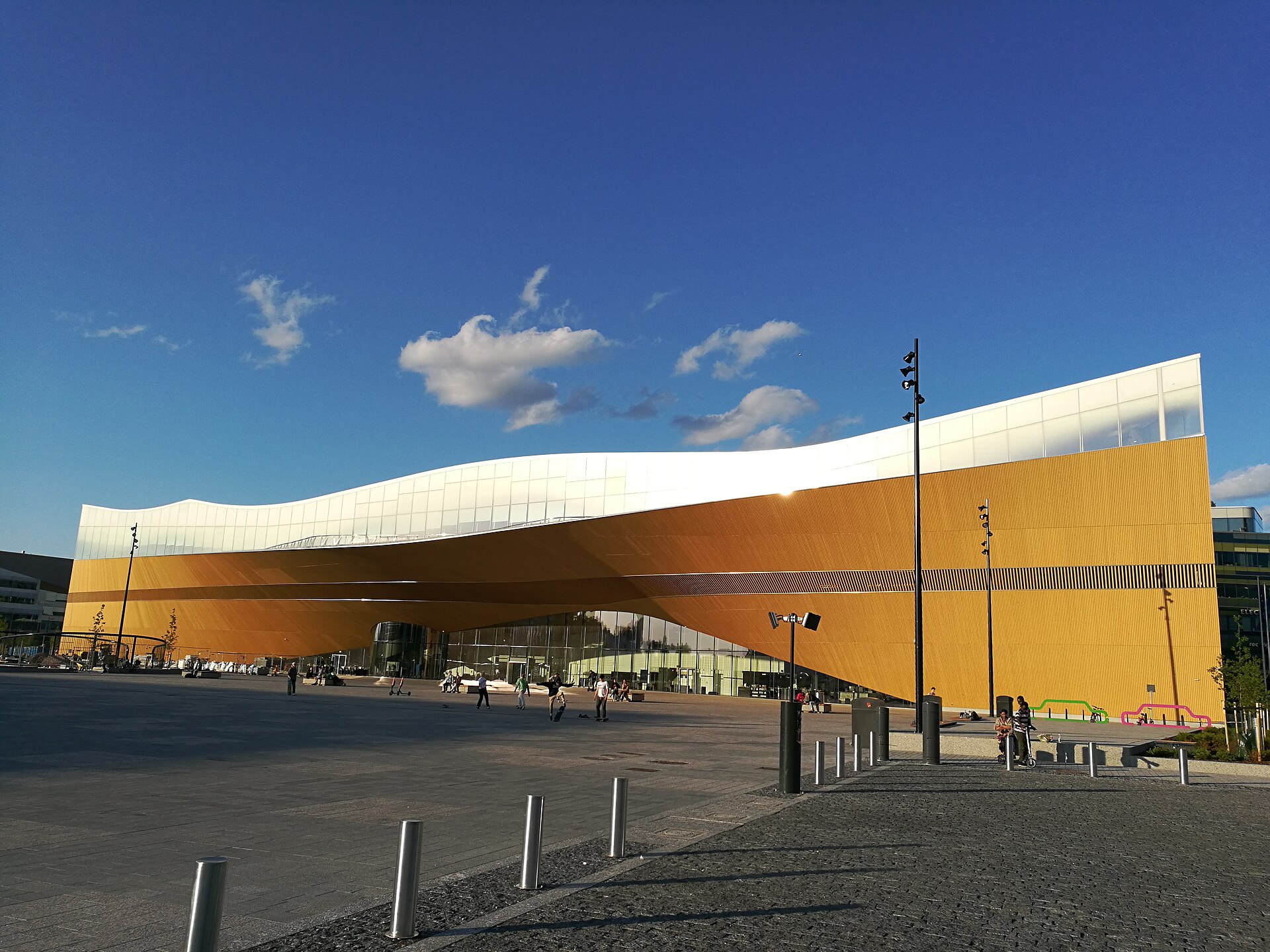
Oodi Central Library
Töölönlahdenkatu 4, 00100 Helsinki
Oodi is the most ambitious public library built in the 21st century — a sinuous, ship-like building of wood, glass, and steel that opened in 2018 directly opposite the Finnish Parliament and has become both a national architectural landmark and a symbol of Finland's commitment to the radical idea that public services can be beautiful, free, and genuinely used by everyone.
Senate Square (Senaatintori)
Senaatintori, 00170 Helsinki
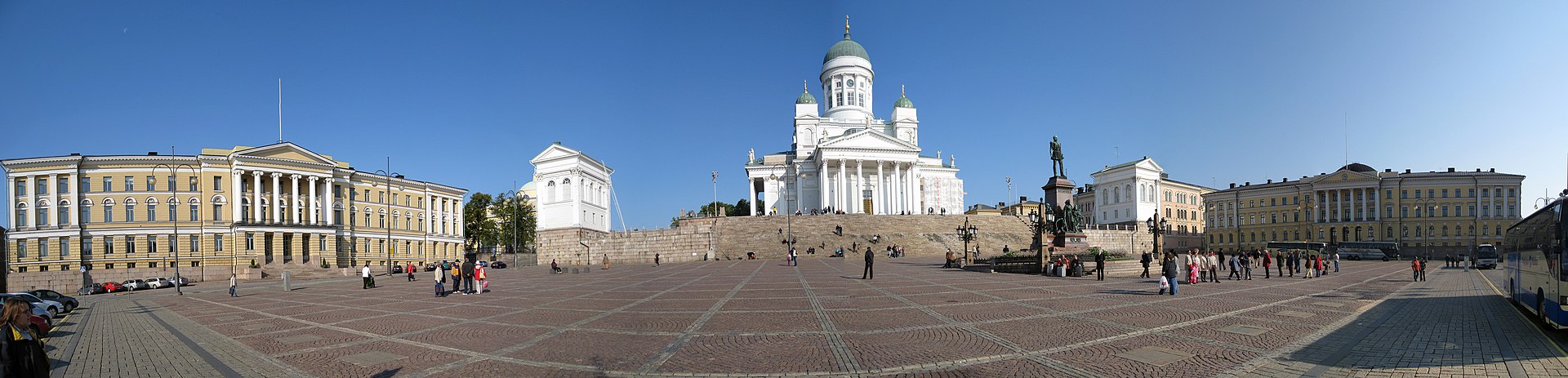
Senate Square is Helsinki's most architecturally complete public space — a neoclassical ensemble designed by Carl Ludvig Engel in the 1820s and 1830s that groups the Cathedral, the University of Helsinki, the Government Palace, and the National Library around a cobblestone square with the precision of an architectural model.
Temppeliaukio Church (Rock Church)
Lutherinkatu 3, 00100 Helsinki
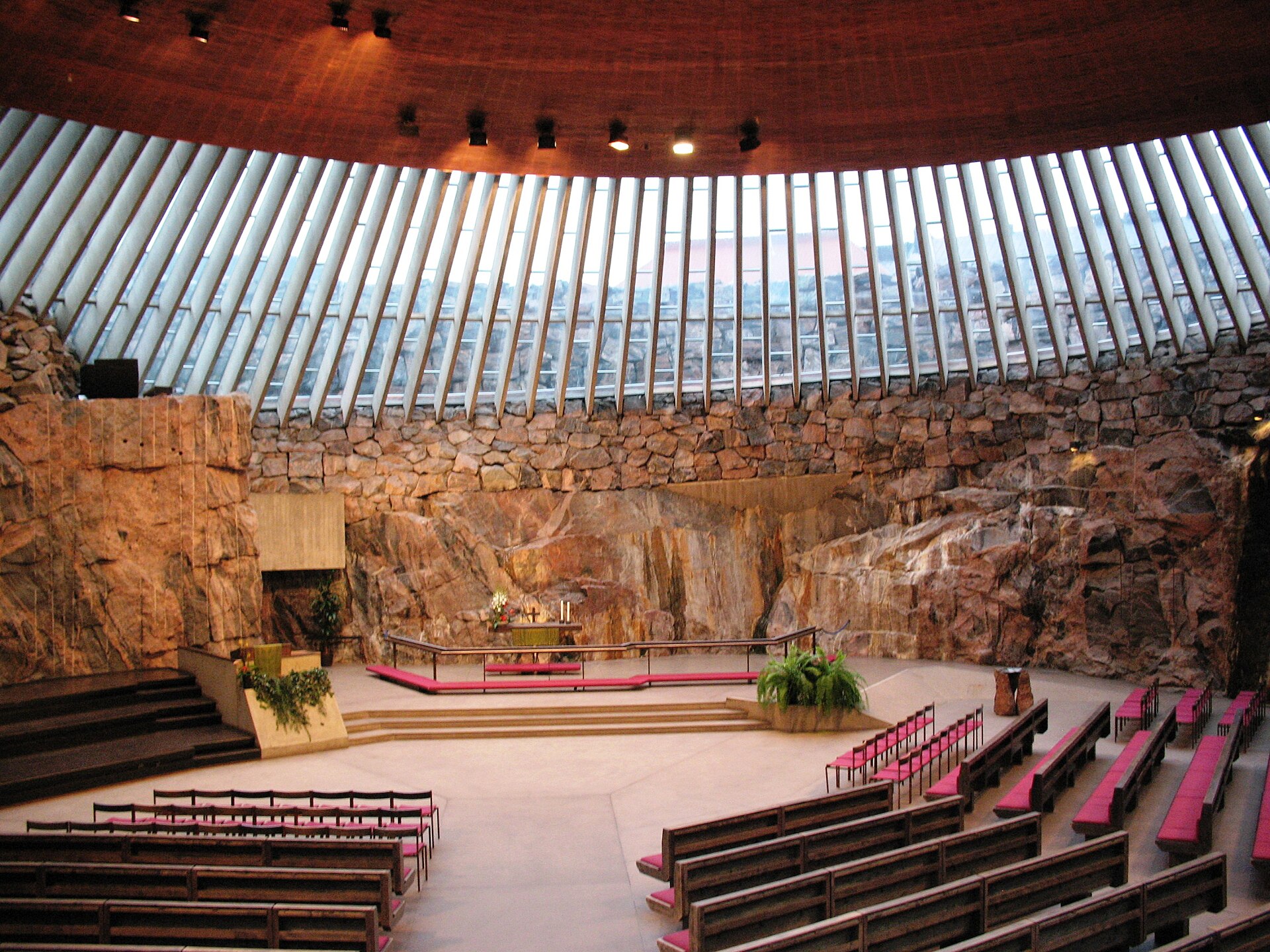
Temppeliaukio Church is a church carved directly into solid granite — a circular space blasted out of a rocky outcrop in the Töölö neighbourhood and topped with a copper dome that spirals above a ring of windows letting natural light flood the rough stone walls.
Uspenski Cathedral
1 Kanavakatu, Katajanokka, Helsinki, 00160, Finland
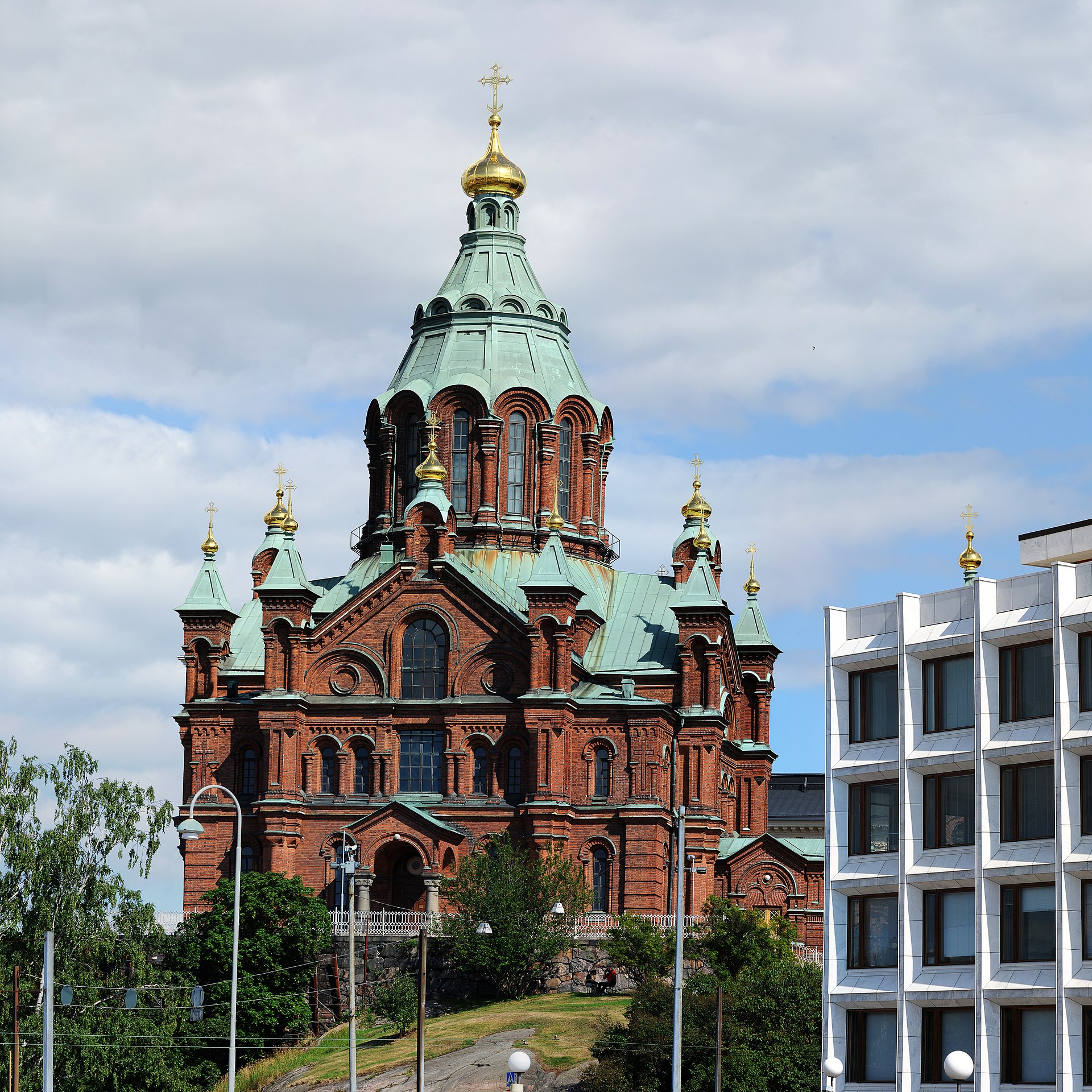
Uspenski Cathedral is the largest Orthodox church in Western Europe — a red-brick Russian Revival structure with golden onion domes that sits on a rocky promontory overlooking the harbour, providing a dramatic counterpoint to the white Lutheran cathedral across the square.
Explore architecture in Helsinki
GPS-guided narration at every landmark. Tap a spot on the map, hear the story. Every fact verified.