20 Stunning Architecture Landmarks in Milan
20 landmarks with verified facts and stories
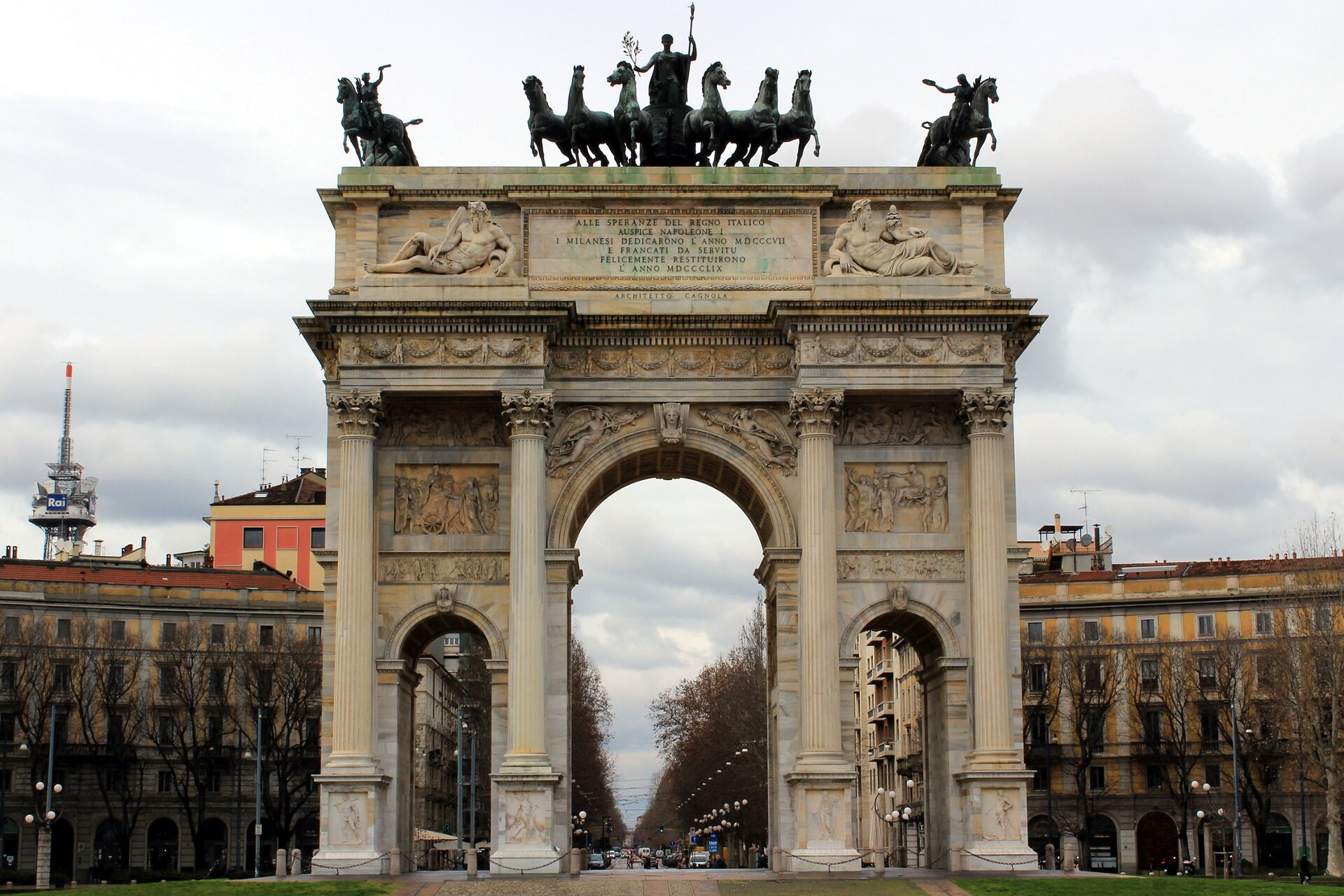
Arco della Pace
Piazza Sempione, 20154 Milan
The Arco della Pace is Milan's triumphal arch — a neoclassical marble gate at the northwestern end of Parco Sempione that was begun in 1807 to celebrate Napoleon's victories and completed in 1838 as a monument to peace after the Austrian Empire reclaimed Lombardy.
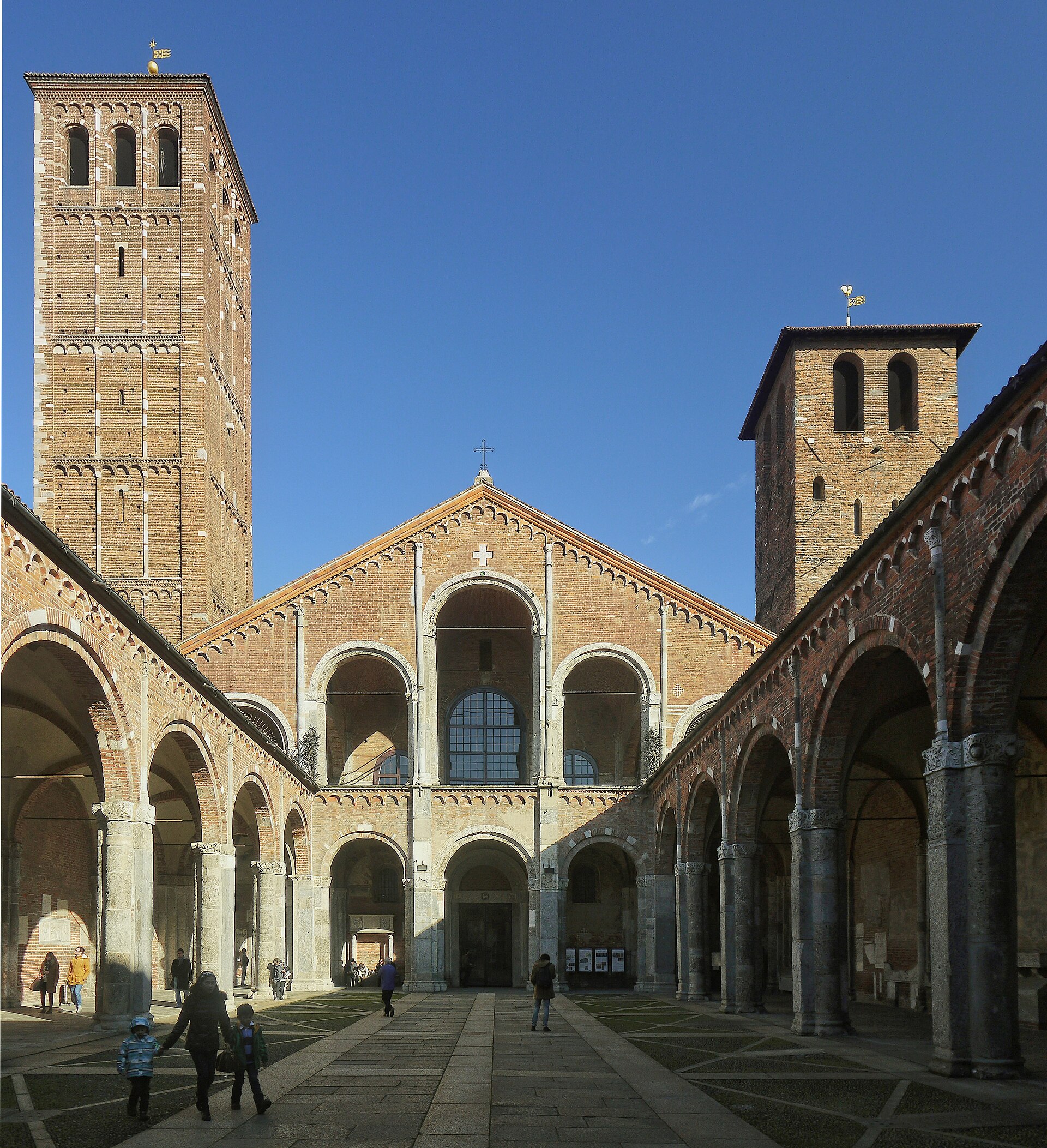
Basilica di Sant'Ambrogio
15 Piazza Sant'Ambrogio, Centro Storico, Milan, 20123, Italy
Sant'Ambrogio is Milan's most important church — older than the Duomo by nearly a millennium, founded in 379 AD by Saint Ambrose (Milan's patron saint and one of the four original Doctors of the Church), and rebuilt in its current Romanesque form in the 11th and 12th centuries.
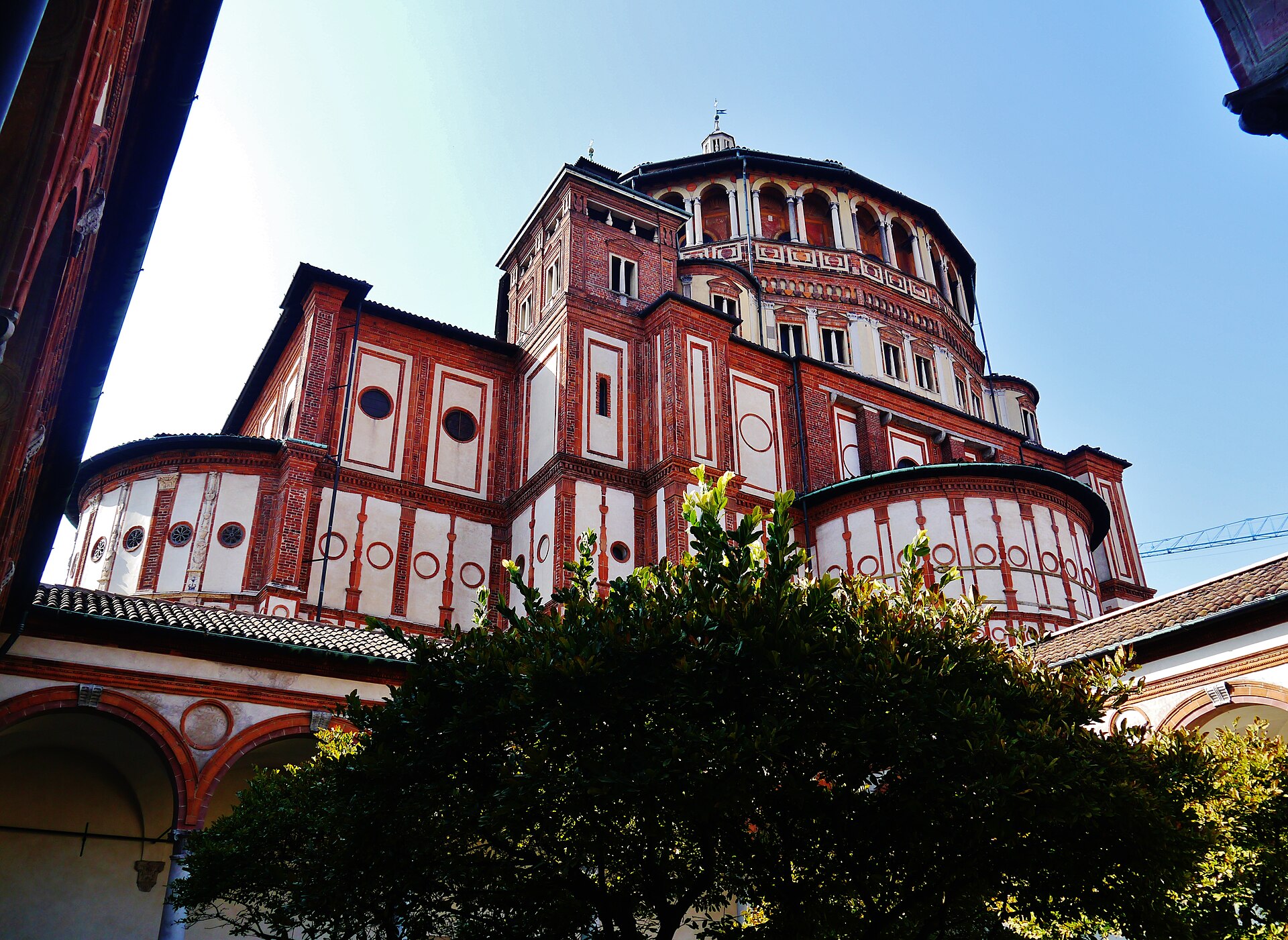
Basilica di Santa Maria delle Grazie
Piazza di Santa Maria delle Grazie, 20123 Milan
Santa Maria delle Grazie is a UNESCO World Heritage Site — a 15th-century Dominican church whose exterior combines a brick Gothic nave by Guiniforte Solari with a Renaissance tribune added by Bramante in the 1490s.
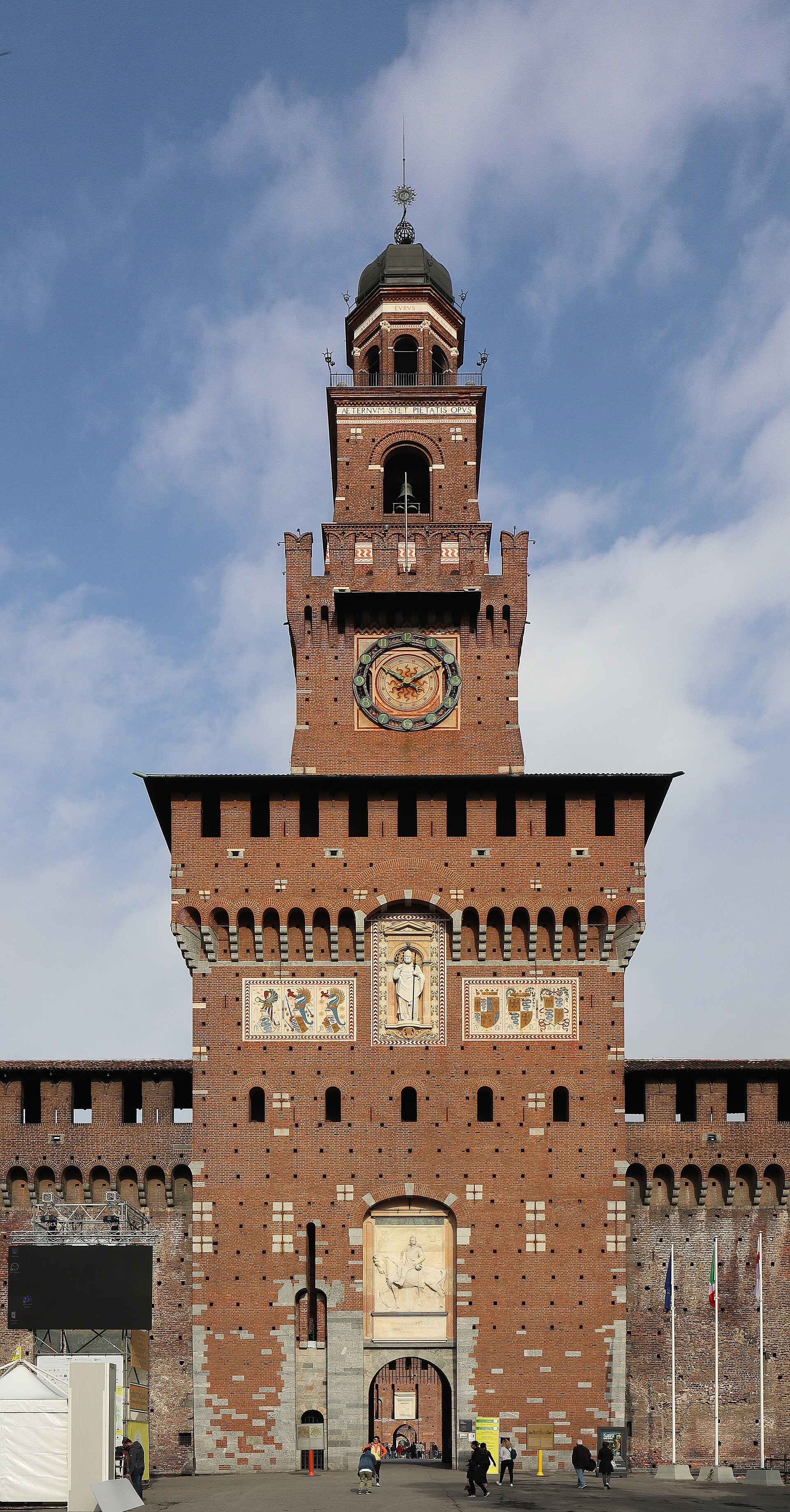
Castello Sforzesco
Via Giovanni de Castro, Forze Armate-San Siro-Baggio, Milan, 20144, Italy
The Castello Sforzesco is a massive red-brick fortress in the centre of Milan that has served as a military stronghold, a ducal palace, a barracks, and now one of the city's most important museum complexes.
Chiesa di San Bernardino alle Ossa
2 Via Verziere, Centro Storico, Milan, 20122, Italy
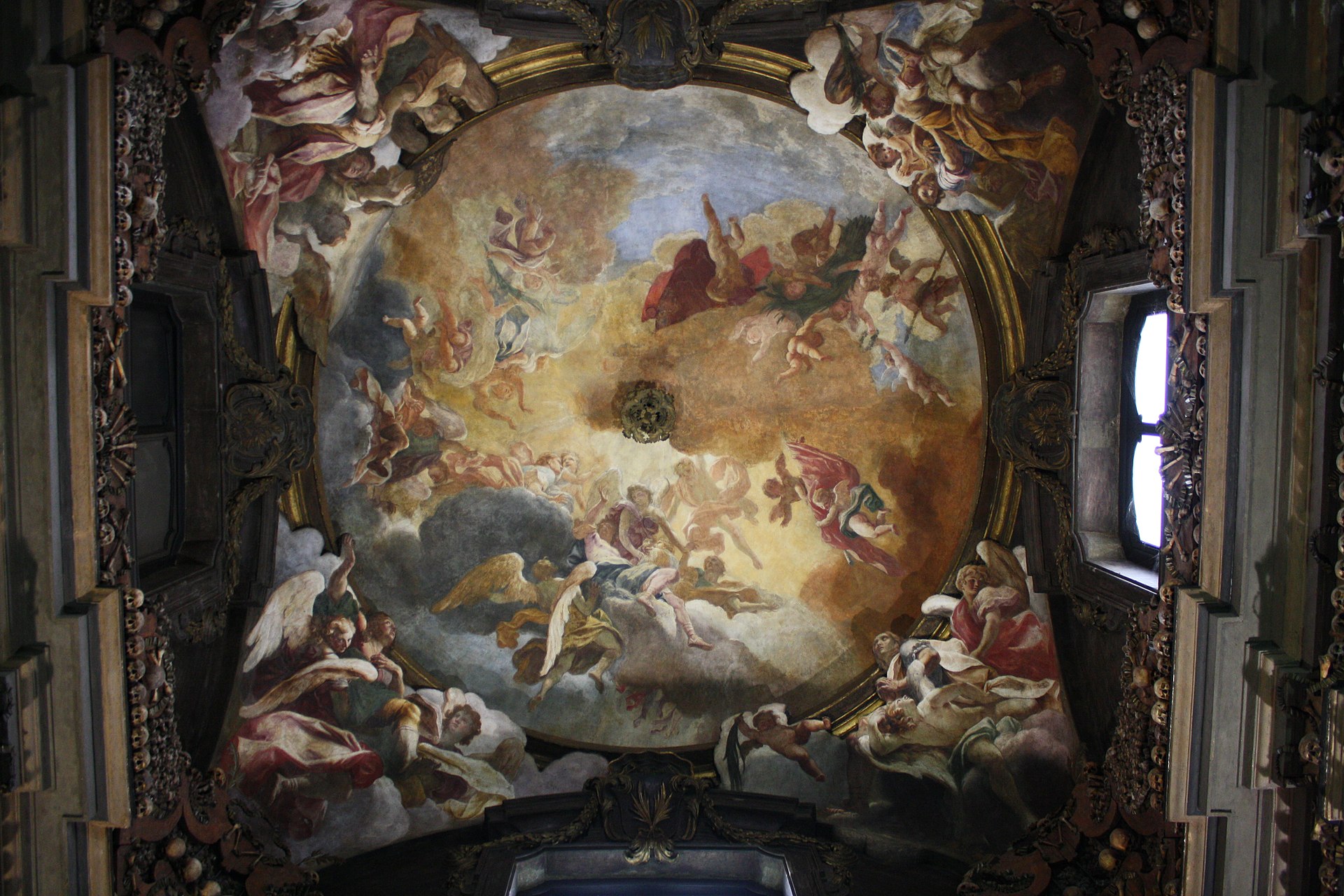
San Bernardino alle Ossa is Milan's bone church — a 17th-century chapel whose walls and ceiling are decorated with human skulls and bones arranged in geometric patterns, creating an interior that is equal parts macabre and beautiful.
Chiesa di San Maurizio al Monastero Maggiore
15 Corso Magenta, Centro Storico, Milan, 20123, Italy
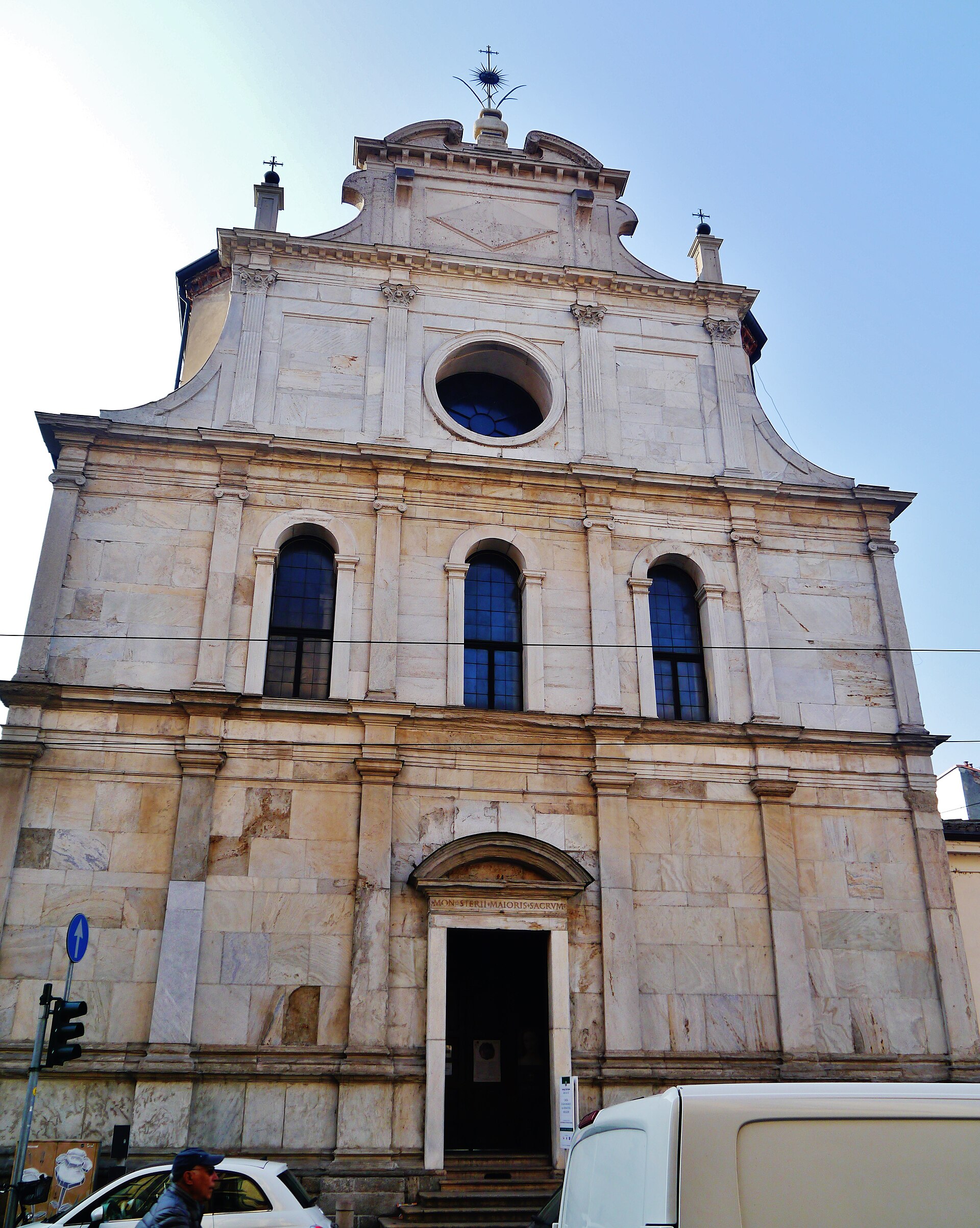
San Maurizio is the Sistine Chapel of Milan — a 16th-century church whose interior is entirely covered in Renaissance frescoes by Bernardino Luini (Leonardo's most talented follower) and his school, creating a visual experience so overwhelming that the church has been called the most beautiful in Milan despite being virtually unknown to tourists.
Cimitero Monumentale
Piazzale Cimitero Monumentale, Porta Volta-Fiera-Gallaratese-Quarto Oggiaro, Milan, 20154, Italy
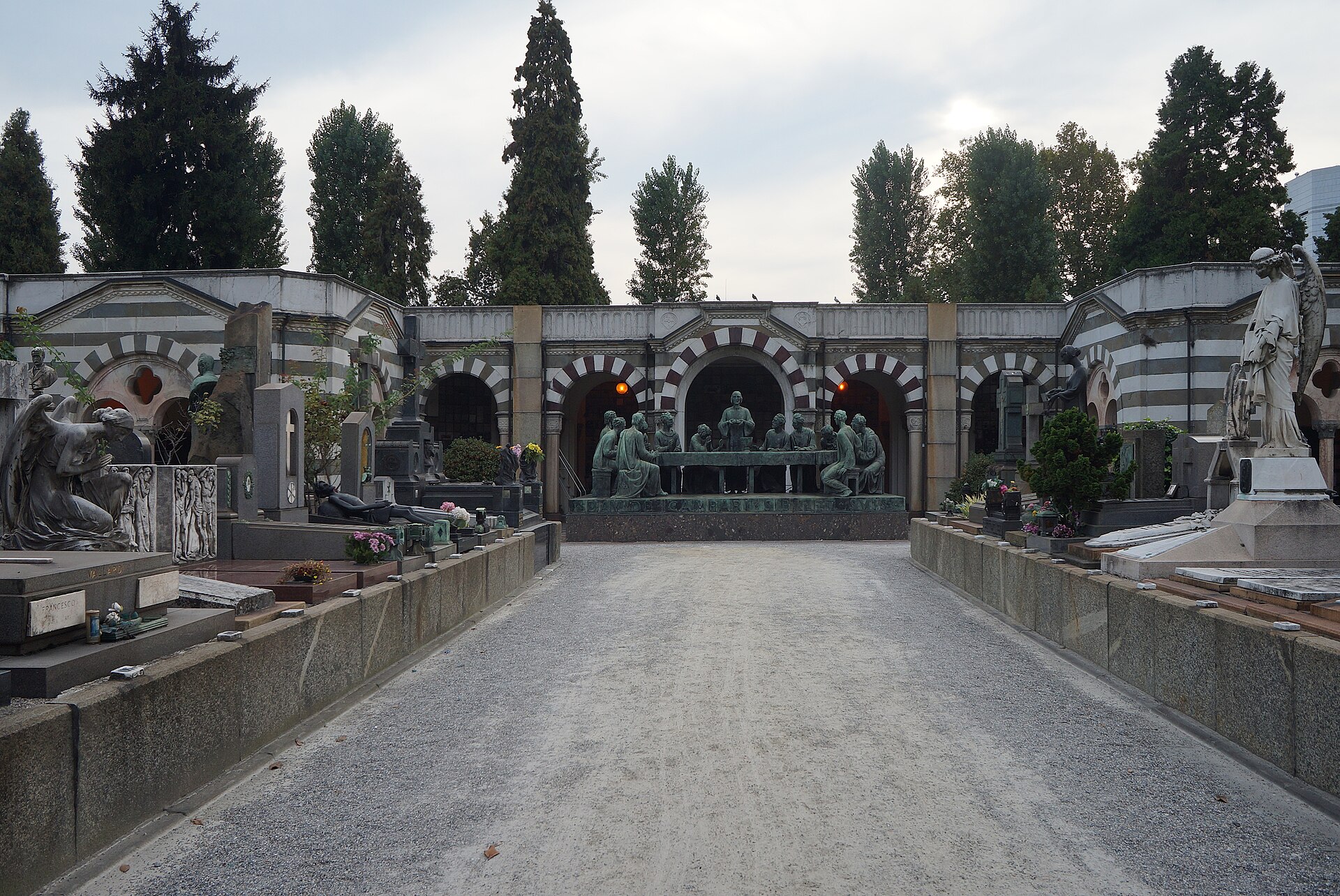
The Cimitero Monumentale is Milan's outdoor sculpture museum — an enormous cemetery where the city's industrial dynasties, opera stars, and artists commissioned tombs so elaborate that walking the avenues feels more like visiting a gallery than a graveyard.
Corso Magenta & Santa Maria delle Grazie Quarter
Corso Magenta, Centro Storico, Milan, 20123, Italy
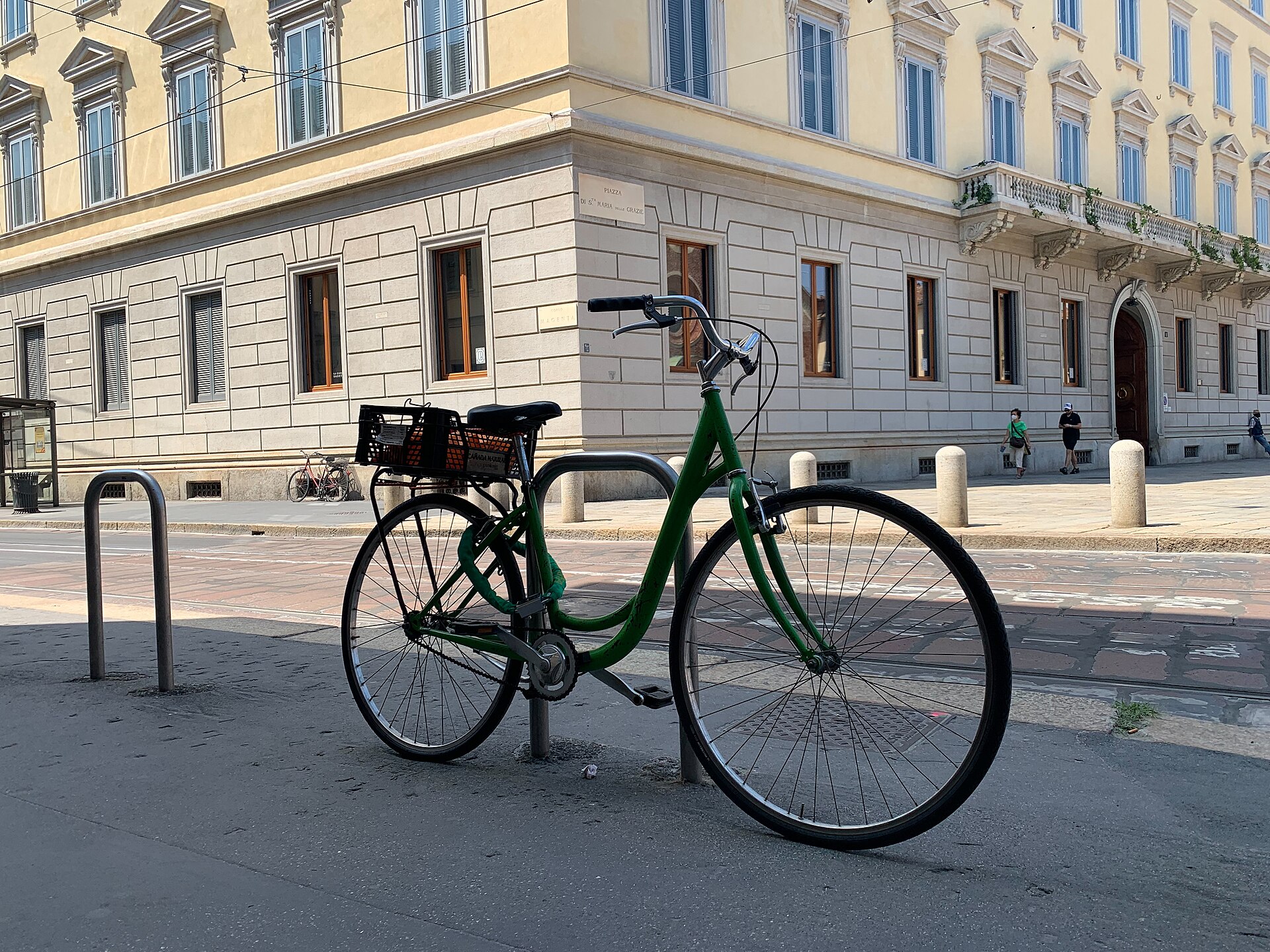
Corso Magenta is Milan's most elegant residential street — a tree-lined boulevard of aristocratic palazzi and Liberty-style (Italian Art Nouveau) apartment buildings that connects the Castello Sforzesco to the western suburbs and passes through the neighbourhood that contains both the Last Supper and some of the finest domestic architecture in the city.
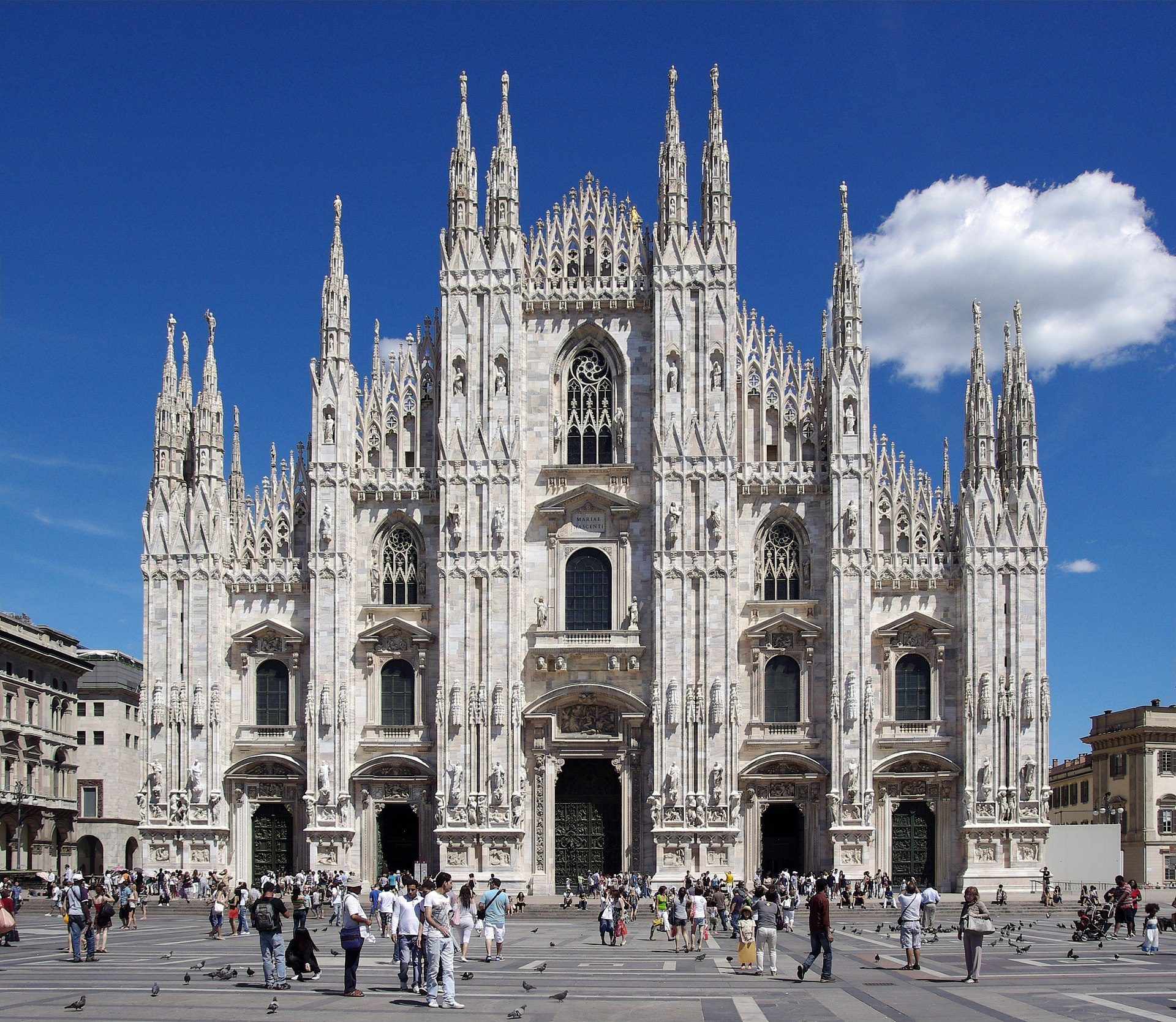
Duomo di Milano
Piazza del Duomo, Centro Storico, Milan, 20123, Italy
The Duomo di Milano is the largest Gothic cathedral in Italy and the third largest church in the world — a forest of 135 marble spires, 3,400 statues, and a rooftop terrace that lets you walk among the pinnacles 70 metres above the piazza.
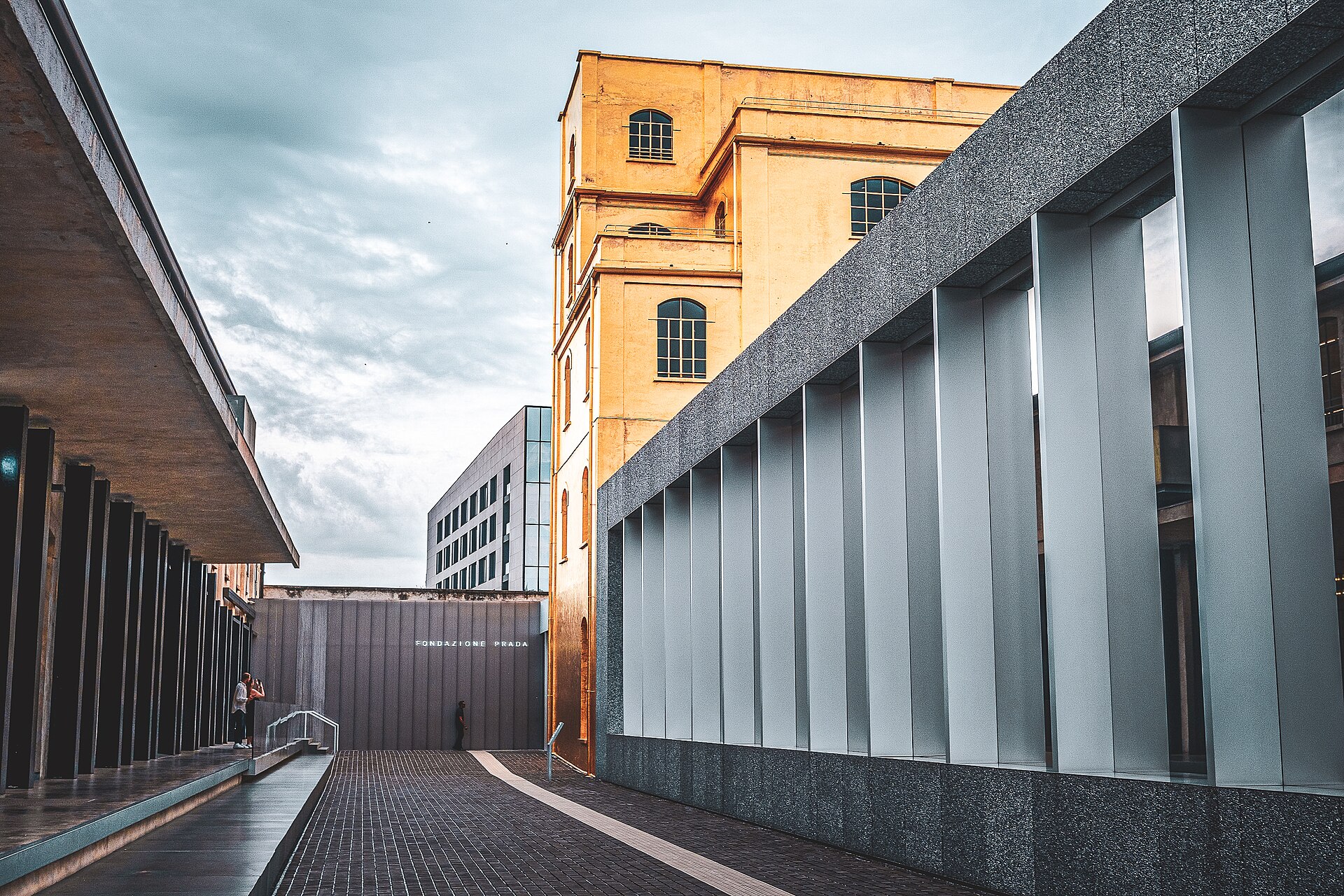
Fondazione Prada
Largo Isarco 2, 20139 Milan
Fondazione Prada is one of the most ambitious contemporary art institutions in Europe — a 19,000-square-metre campus designed by Rem Koolhaas' OMA that combines seven existing industrial buildings (a former gin distillery from the 1910s) with three new structures clad in aluminium foam, mirror-finish gold leaf, and white concrete.
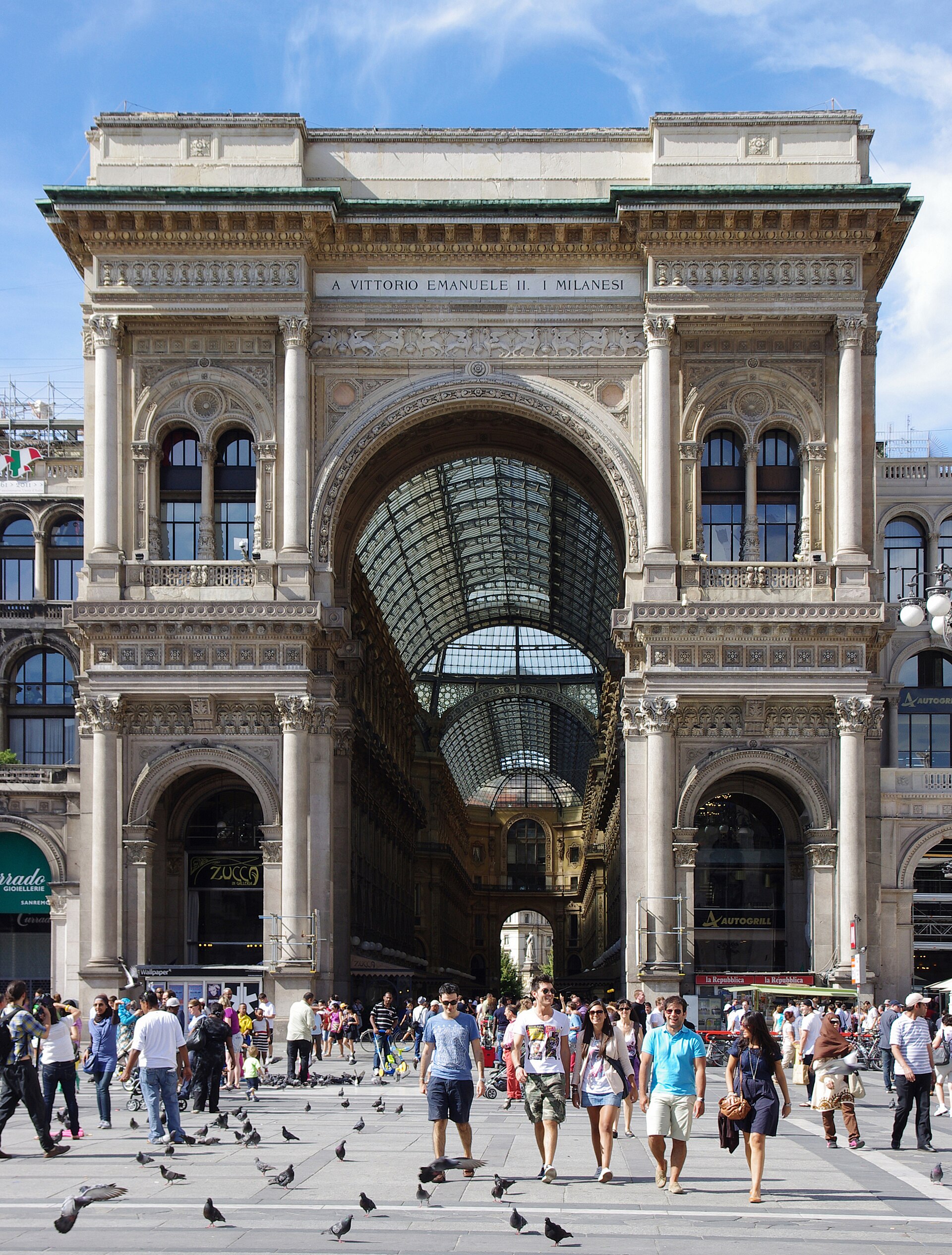
Galleria Vittorio Emanuele II
Piazza del Duomo, Centro Storico, Milan, 20123, Italy
The Galleria Vittorio Emanuele II is the world's oldest active shopping mall — a cruciform glass-and-iron arcade completed in 1877 that connects Piazza del Duomo to Piazza della Scala and houses some of the most expensive retail real estate in Europe.
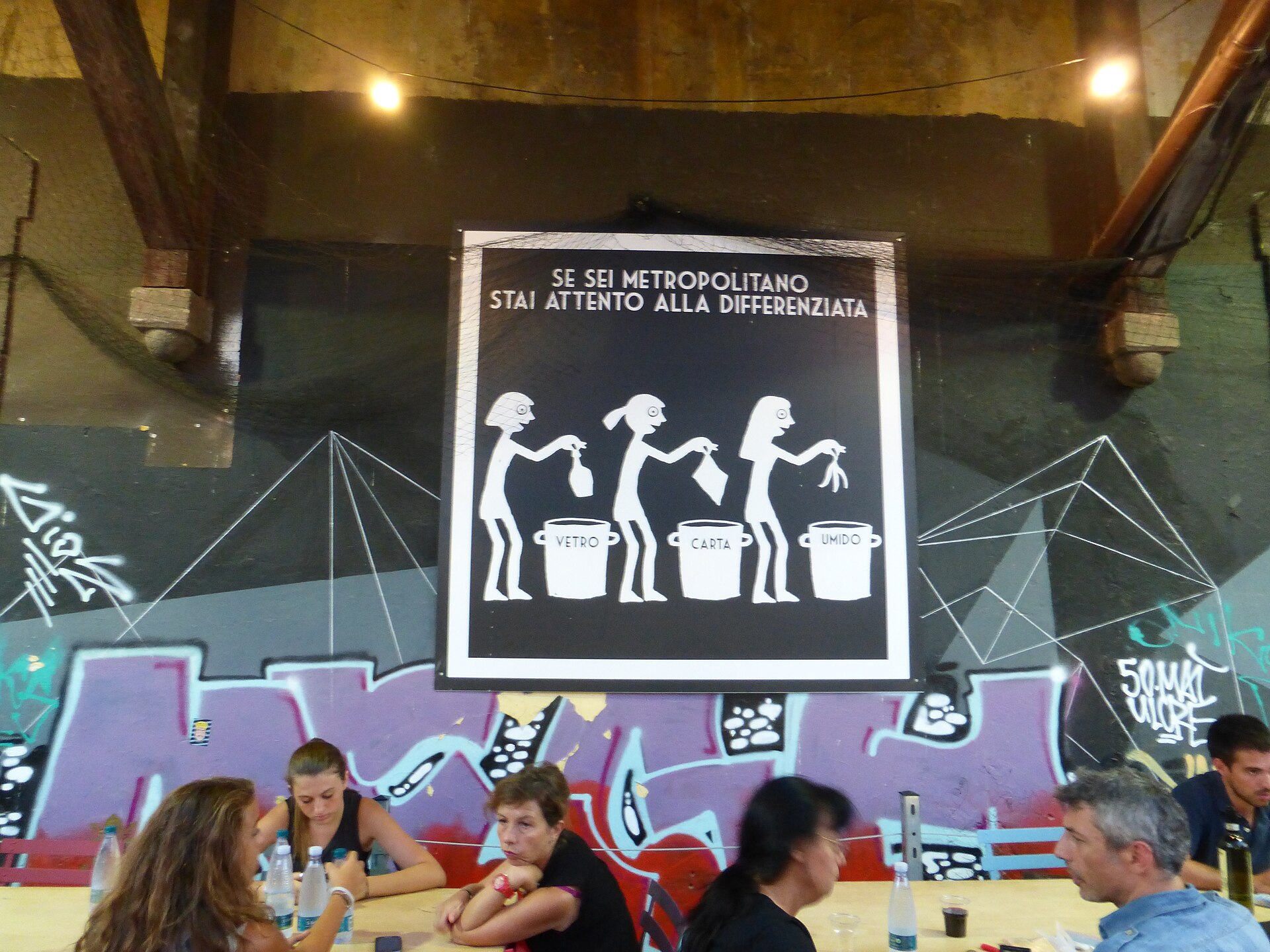
Mercato Centrale Milano
Via Sammartini 2, 20125 Milan
Mercato Centrale Milano is Milan's grandest food hall — a 4,500-square-metre market inside the Centrale railway station that brings together some of Italy's finest artisan food producers under the vaulted ceilings of one of Europe's most spectacular train stations.
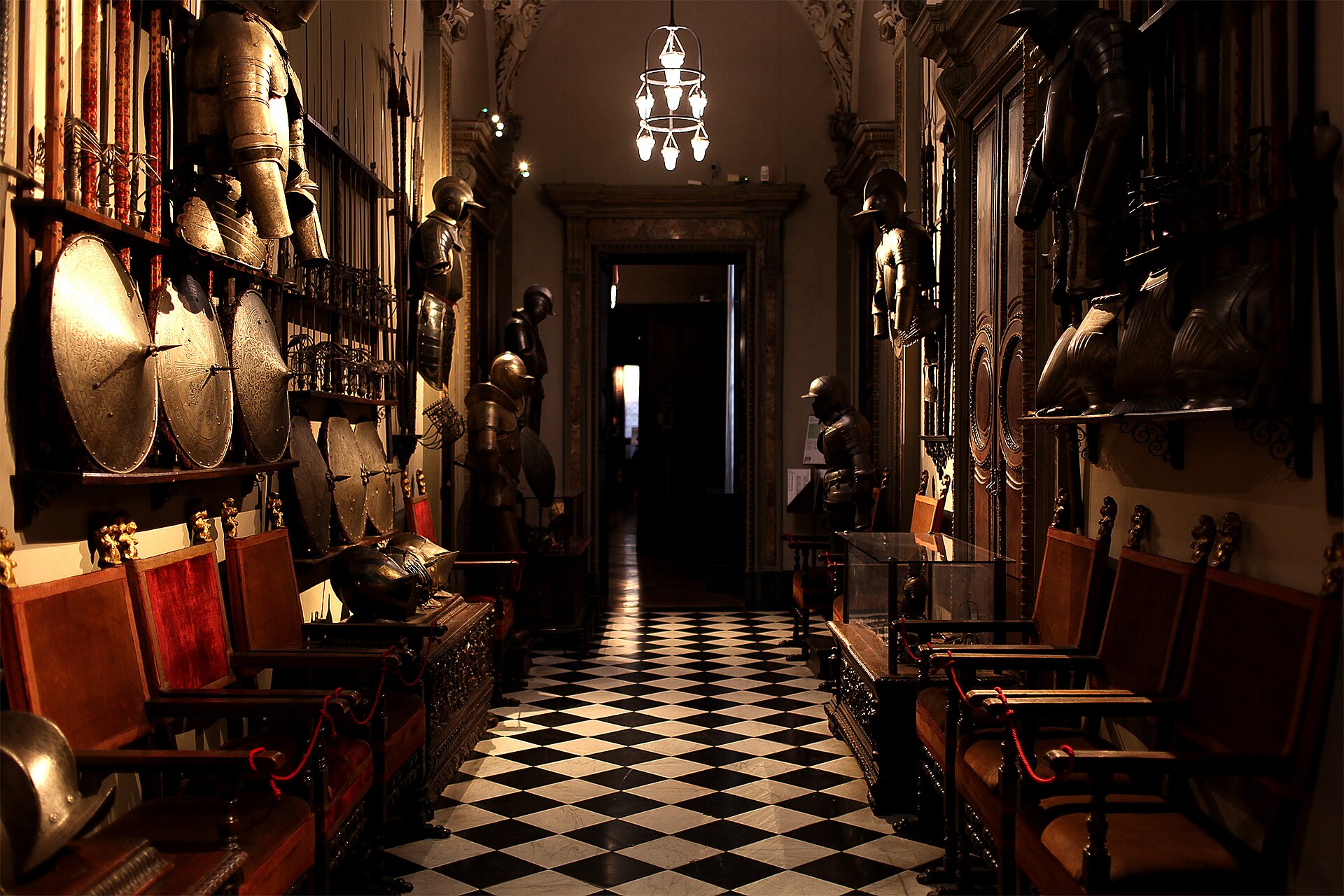
Museo Bagatti Valsecchi
Via Gesù 5, 20121 Milan
The Museo Bagatti Valsecchi is a private house museum in the Fashion District — a 19th-century palazzo created by two brothers, Fausto and Giuseppe Bagatti Valsecchi, who spent 40 years collecting Renaissance furniture, paintings, armour, and decorative arts to furnish their home in the style of a 15th-century Lombard nobleman's residence.
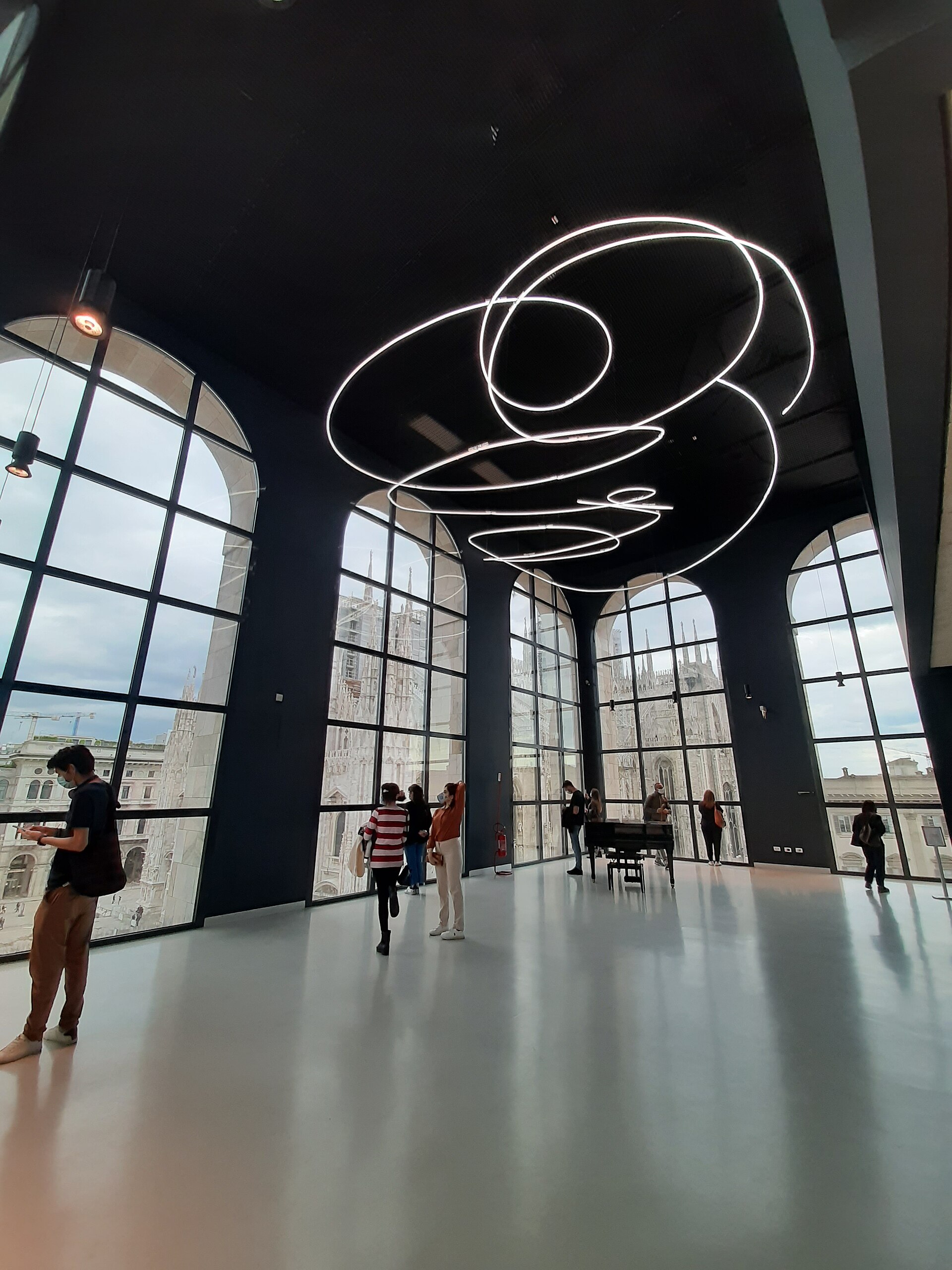
Museo del Novecento
Via Marconi 1, 20122 Milan
The Museo del Novecento is Milan's museum of 20th-century art — housed in the Arengario, a Fascist-era building on Piazza del Duomo that was converted into a museum in 2010 by architect Italo Rota.
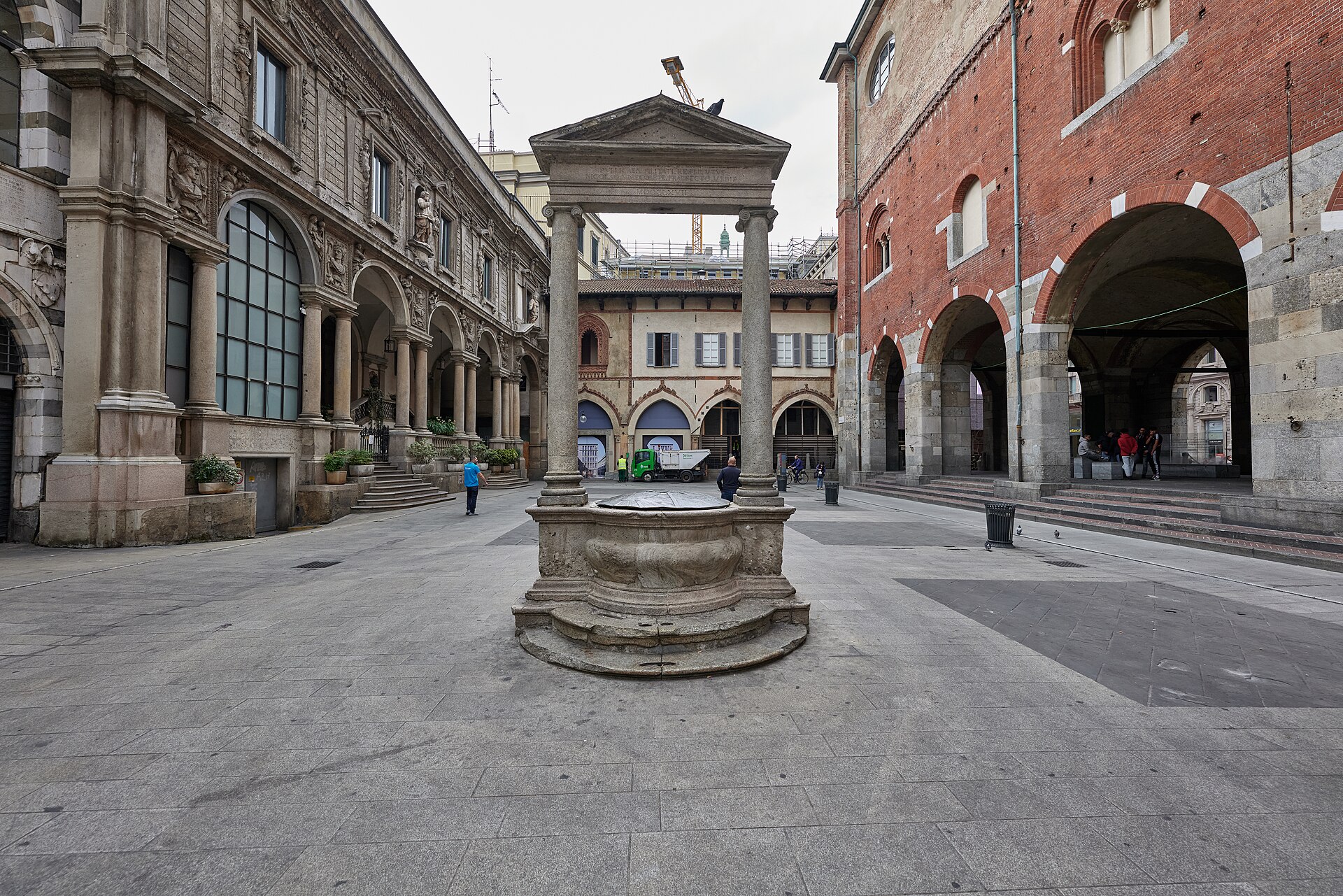
Piazza dei Mercanti
Via dei Mercanti, Centro Storico, Milan, 20123, Italy
Piazza dei Mercanti is medieval Milan's surviving heart — a small, enclosed square one block north of the Duomo that served as the city's commercial and political centre from the 13th to the 18th century.
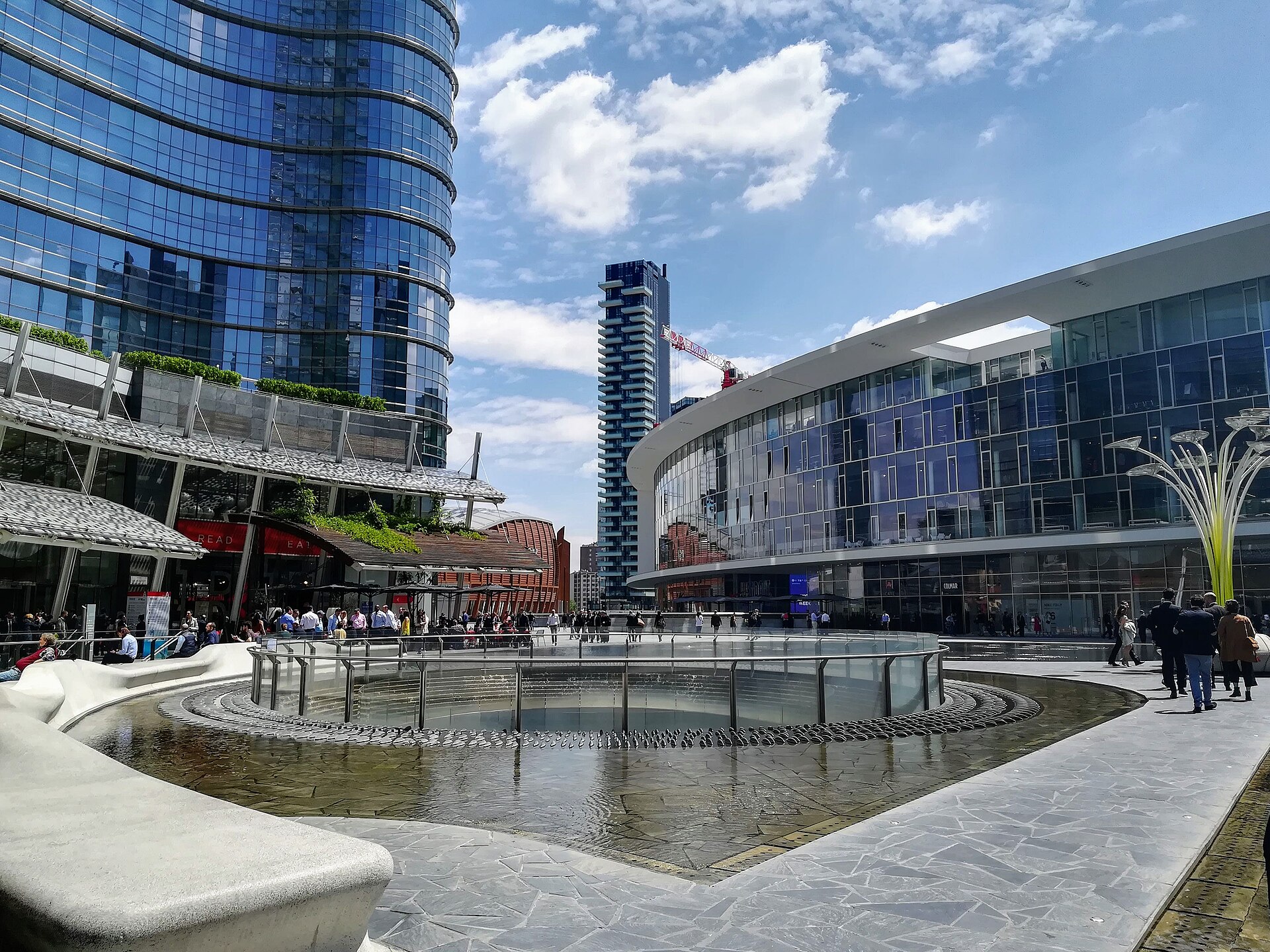
Piazza Gae Aulenti & Porta Nuova
Piazza Gae Aulenti, 20124 Milan
Piazza Gae Aulenti is the centrepiece of Milan's most dramatic modern urban development — Porta Nuova, a district of glass skyscrapers and public spaces that transformed a neglected railway area north of the city centre into Milan's financial and architectural showpiece.
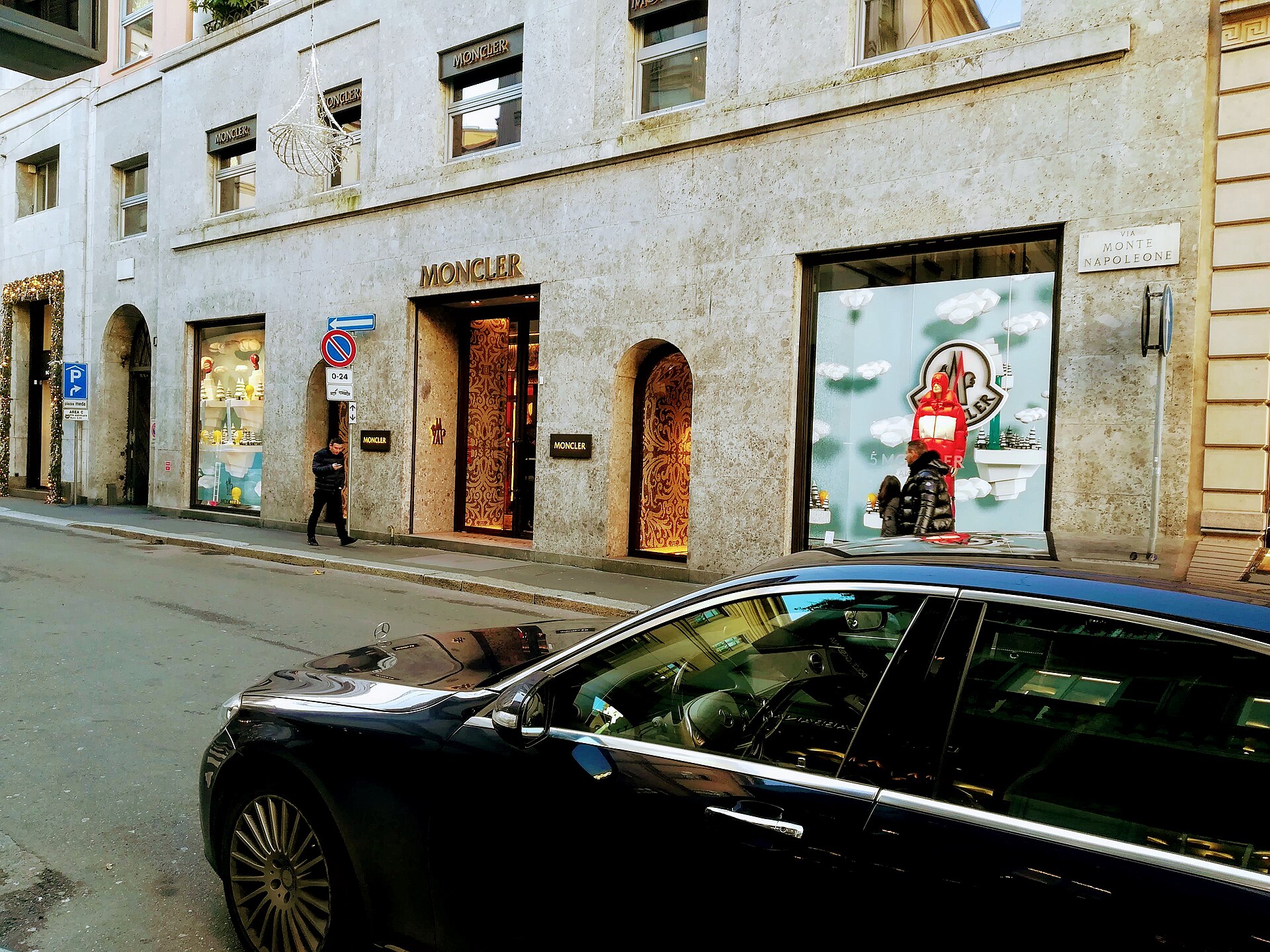
Quadrilatero della Moda (Fashion District)
Via Monte Napoleone, Centro Storico, Milan, 20121, Italy
The Quadrilatero della Moda is the fashion capital of the world compressed into four streets — Via Montenapoleone, Via della Spiga, Via Manzoni, and Corso Venezia form a rectangle of luxury boutiques that houses every major Italian fashion house (Prada, Versace, Armani, Dolce & Gabbana, Valentino) alongside international brands in 18th-century palazzi that were designed for aristocrats and now serve fashionistas.
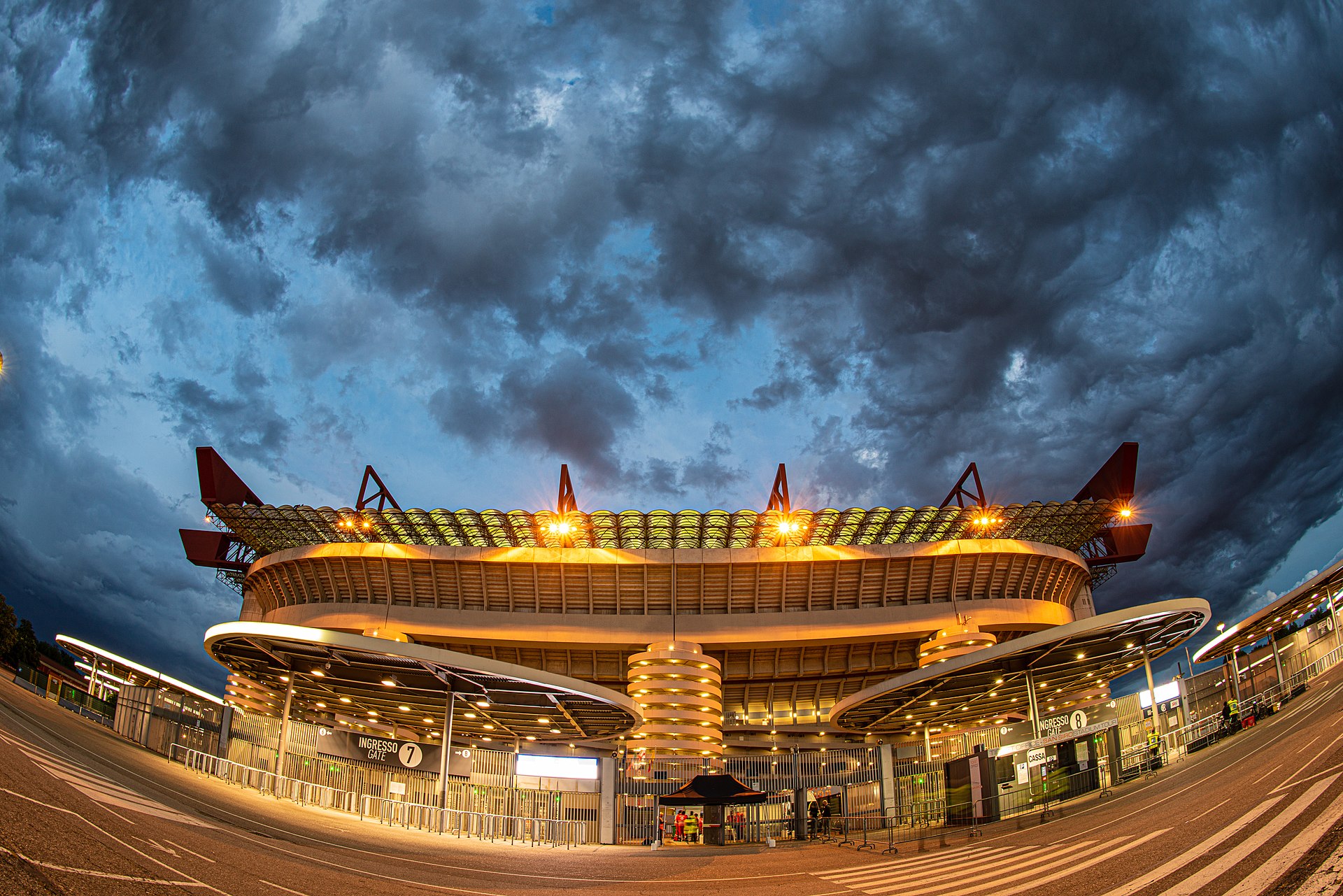
San Siro Stadium (Giuseppe Meazza)
Via Angelo Moratti, Somma Lombardo, 21019, Italy
San Siro is the most famous football stadium in Italy — an 80,018-seat colosseum shared by AC Milan and Inter Milan, two of the most successful clubs in European football, who play their home games on the same pitch in alternate weeks.
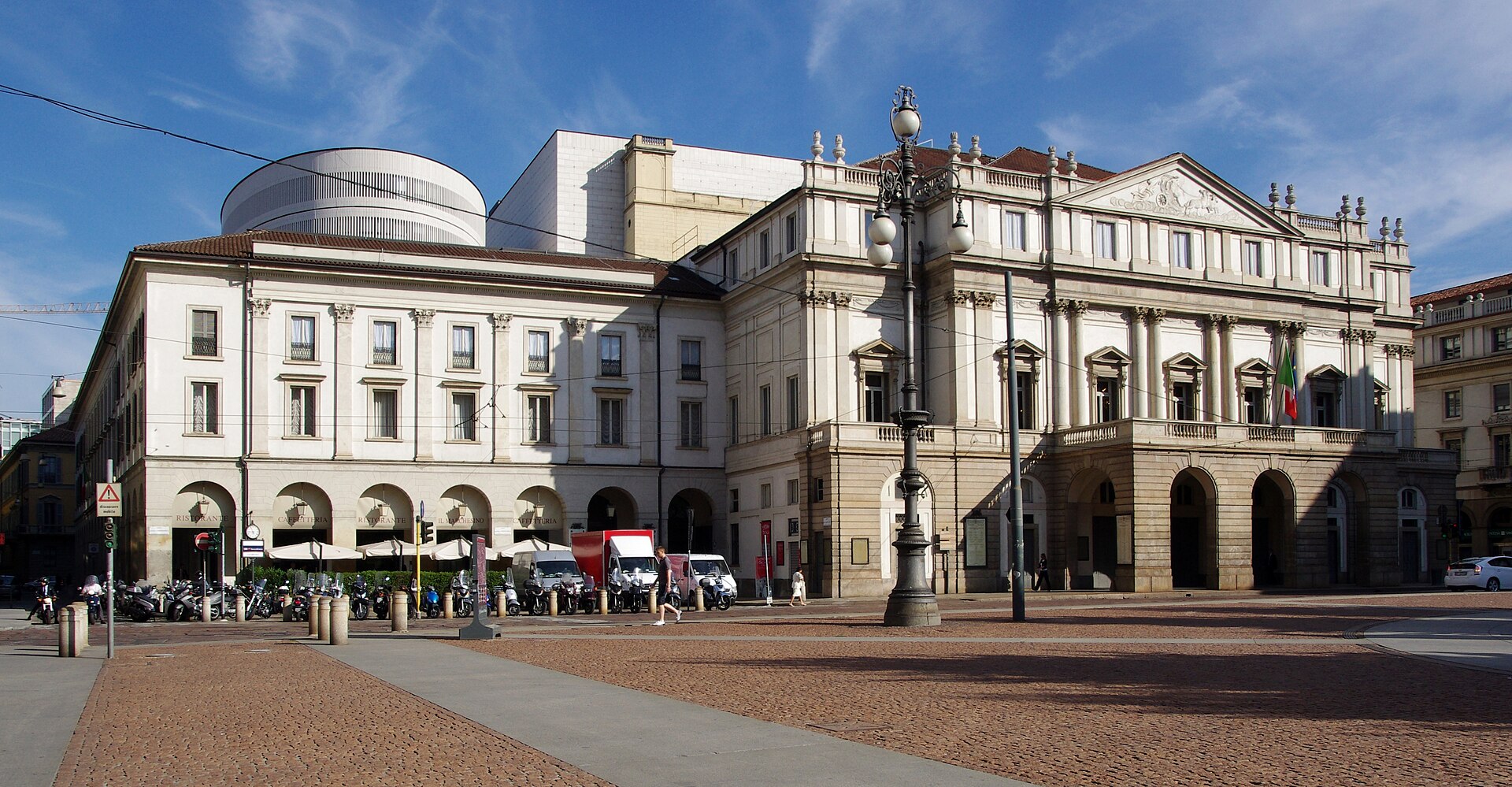
Teatro alla Scala
Via Filodrammatici 2, 20121 Milan
La Scala is the most famous opera house in the world — a neoclassical theatre that has premiered operas by Verdi, Puccini, Bellini, Donizetti, and Rossini, and whose opening night on December 7 (the feast of Sant'Ambrogio, Milan's patron saint) is the most important date in the international opera calendar.
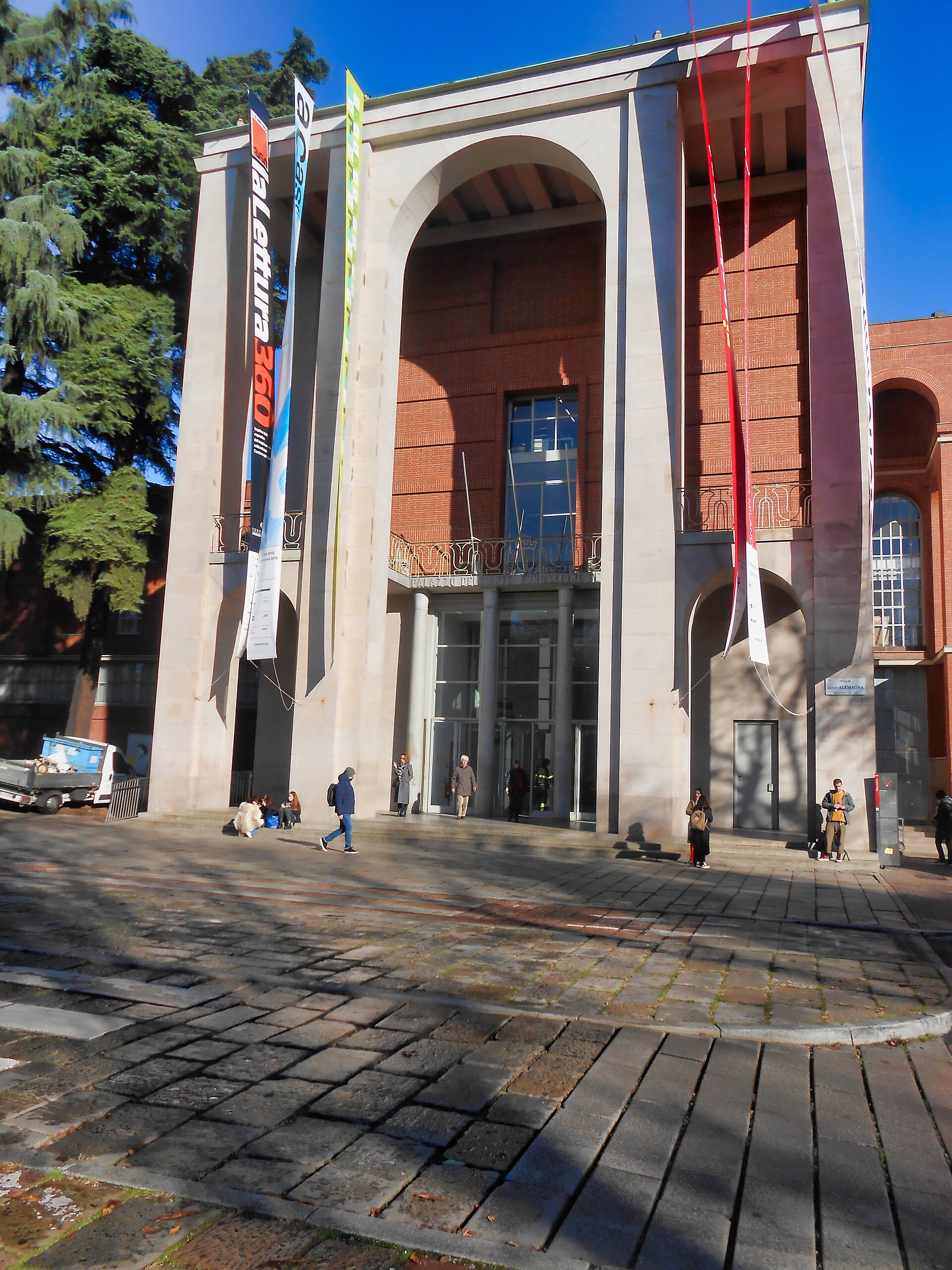
Triennale di Milano
Viale Alemagna 6, 20121 Milan
The Triennale is Milan's design museum — an institution dedicated to Italian design, architecture, fashion, and the applied arts that has been the intellectual engine of the city's design industry since 1933.
Explore architecture in Milan
GPS-guided narration at every landmark. Tap a spot on the map, hear the story. Every fact verified.