16 Stunning Architecture Landmarks in Marrakech
16 landmarks with verified facts and stories
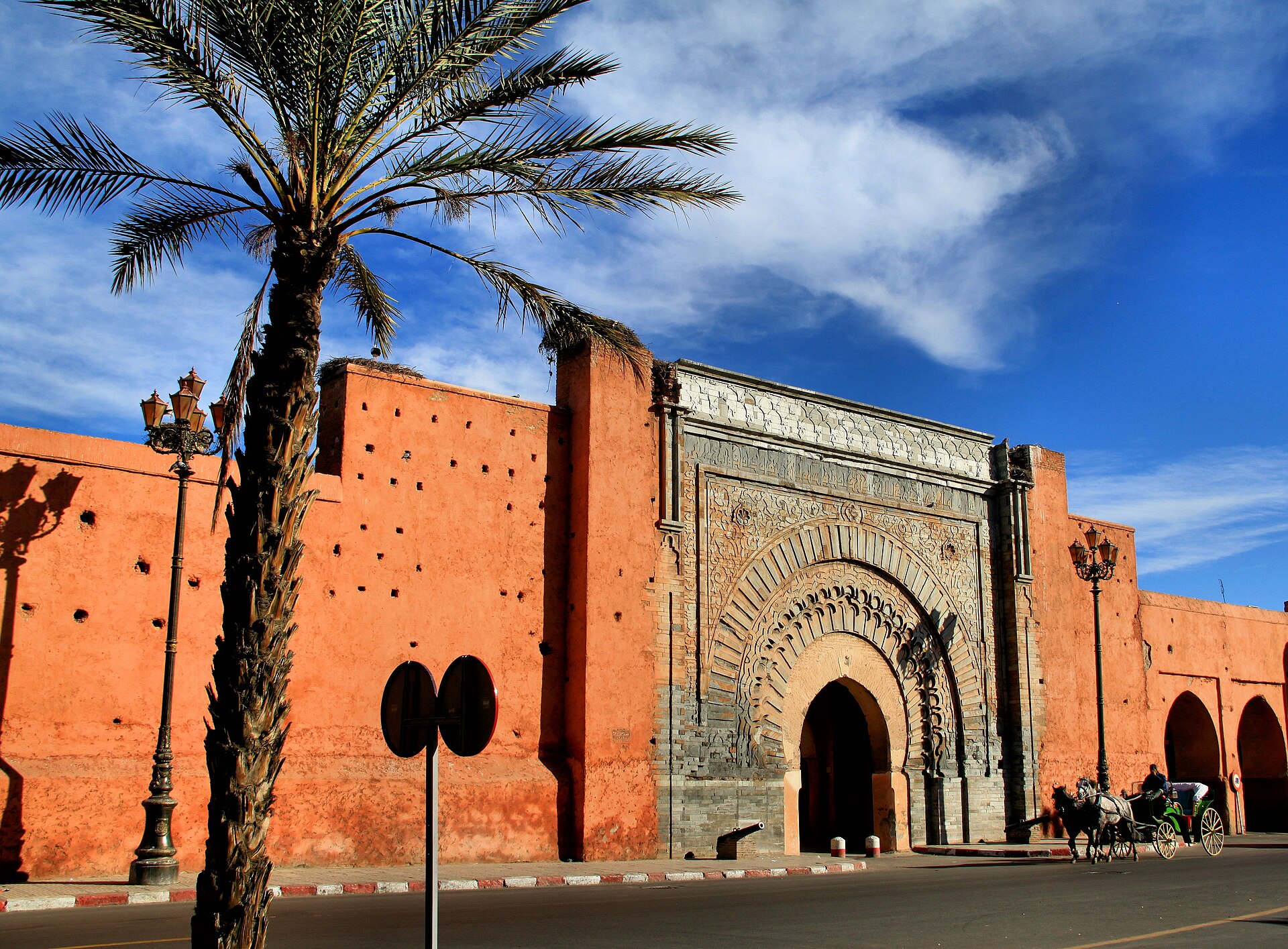
Bab Agnaou Gate
Rue Bab Agnaou, Marrakesh, 40008, Morocco
Bab Agnaou is the most beautiful gate in Marrakech — a 12th-century Almohad stone gateway that served as the ceremonial entrance to the royal kasbah quarter and is the finest example of Almohad monumental architecture surviving in the city.
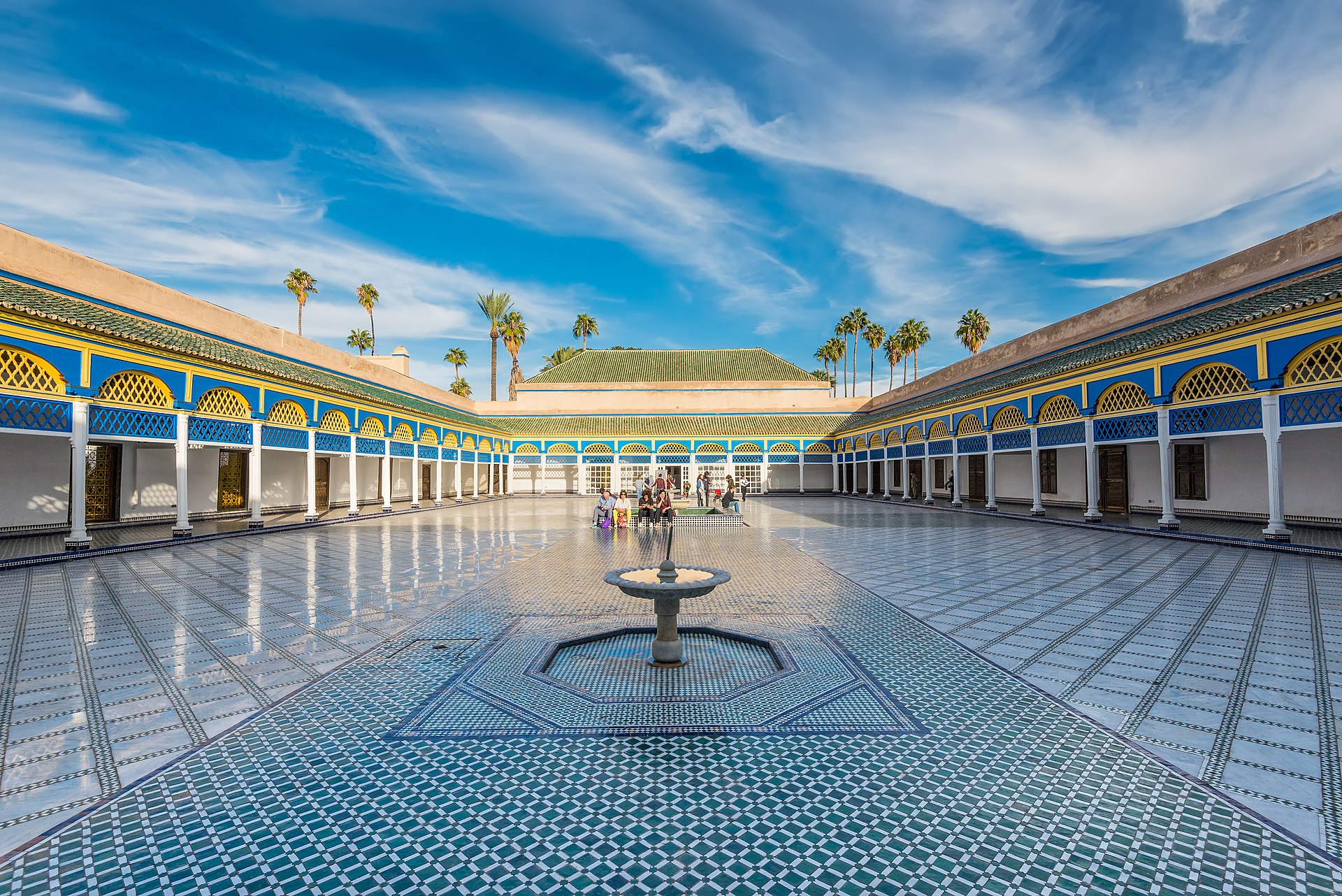
Bahia Palace
Rue Imam Al Ghazali, Marrakesh, 40008, Morocco
The Bahia Palace is the finest example of Moroccan palatial architecture open to visitors — a 19th-century palace built over 14 years (1866-1900) for Si Moussa, the grand vizier of Sultan Hassan I, and later expanded by his son Bou Ahmed, who intended it to be the greatest palace ever built in Morocco.
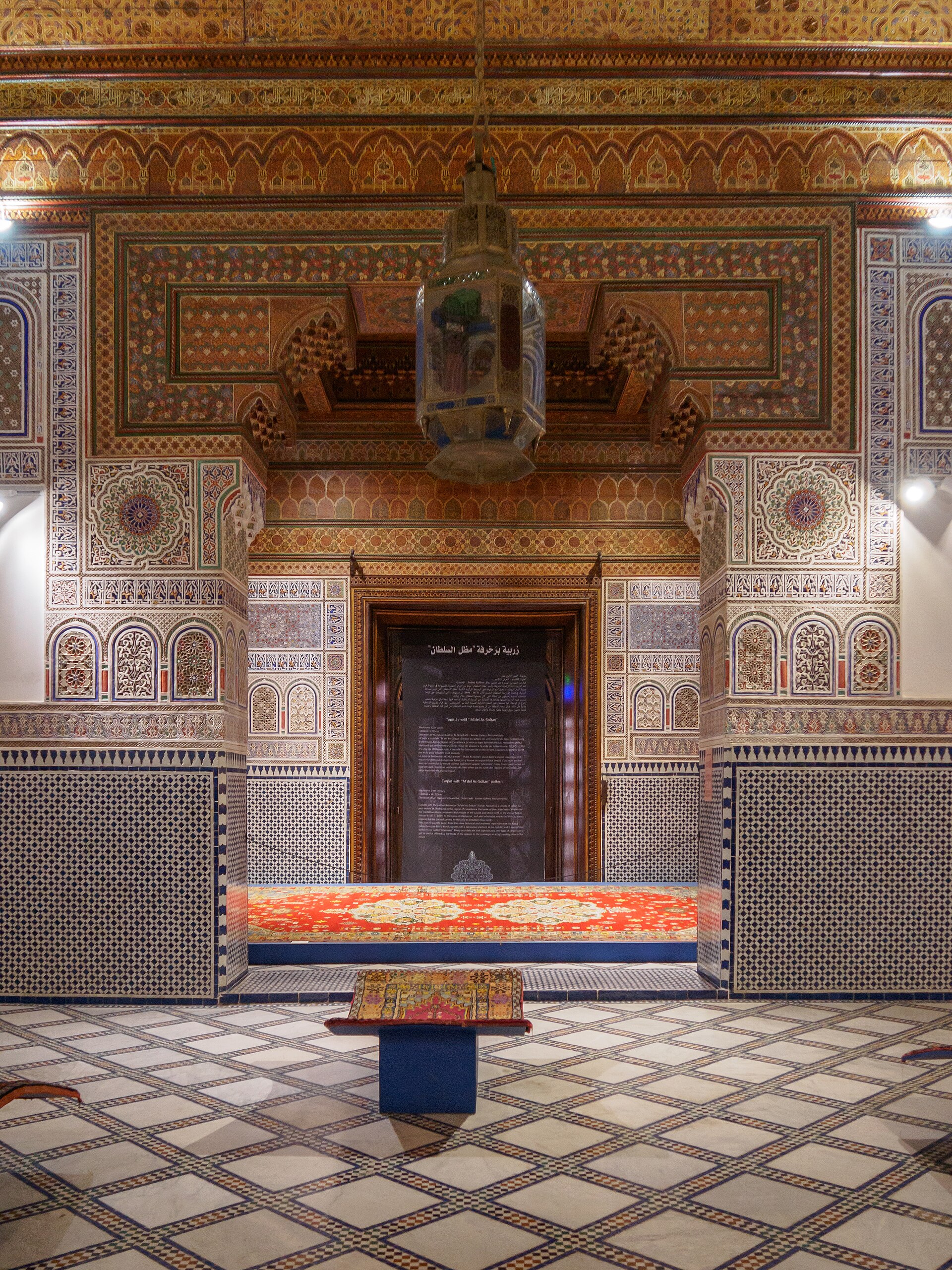
Dar Si Said Museum
Derb Riad Zitoun Jdid El Arsa Medina, Marrakesh, 40030, Morocco
Dar Si Said is a 19th-century palace that houses the Museum of Moroccan Arts — a collection of woodwork, ceramics, jewellery, carpets, and weapons displayed in rooms whose own decoration (carved cedar ceilings, zellige tilework, stucco arabesques) is as impressive as the objects they contain.
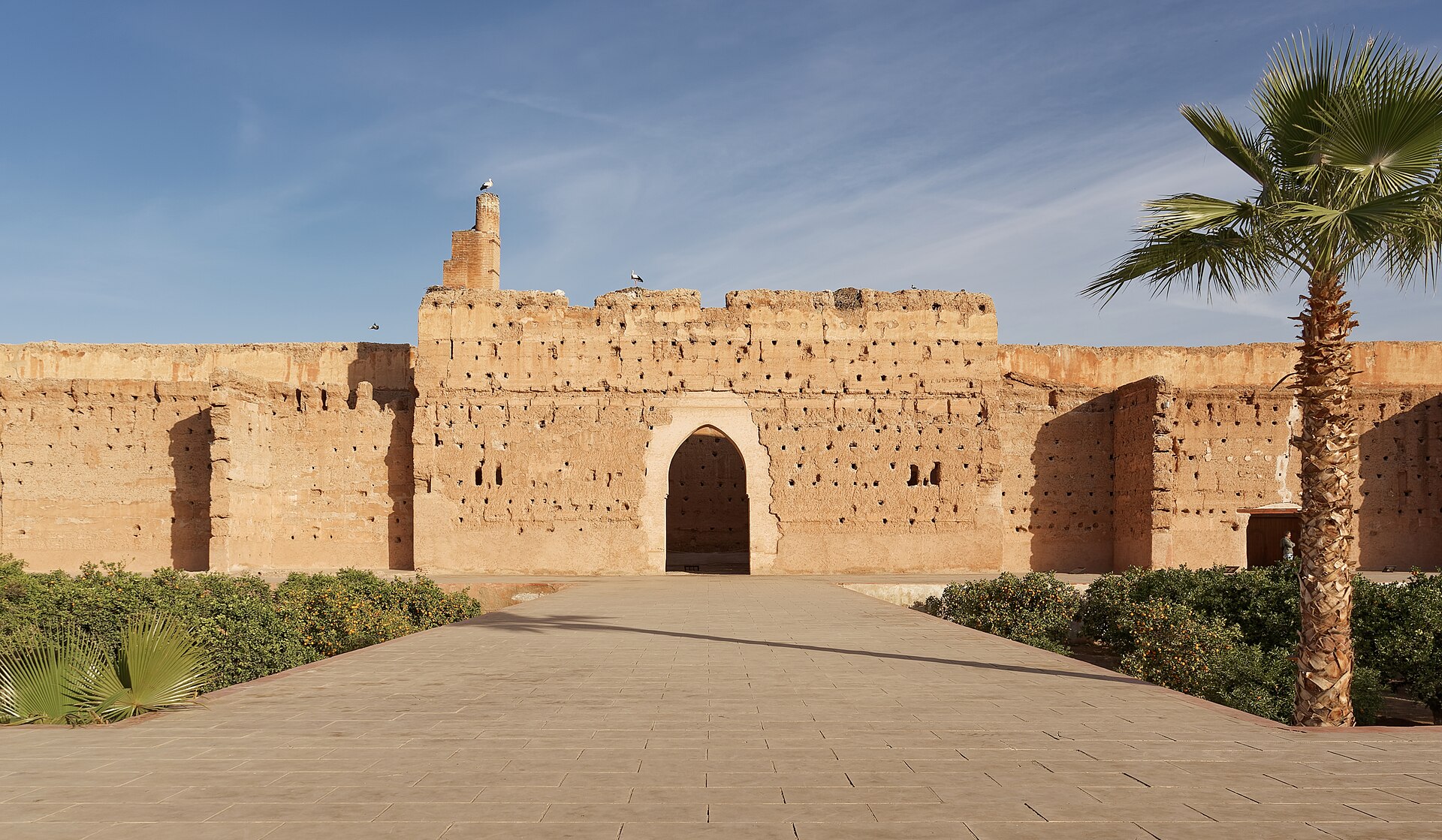
El Badi Palace
Ksibt Nhass, Marrakesh, 40040, Morocco
El Badi Palace is the magnificent ruin of what was once the greatest palace in Morocco — built by the Saadian sultan Ahmad al-Mansur in 1578 to celebrate his victory over the Portuguese at the Battle of the Three Kings, using materials so expensive (Italian marble, Irish oak, Indian onyx, Chinese gold) that the palace's name, 'The Incomparable,' was not considered an exaggeration.
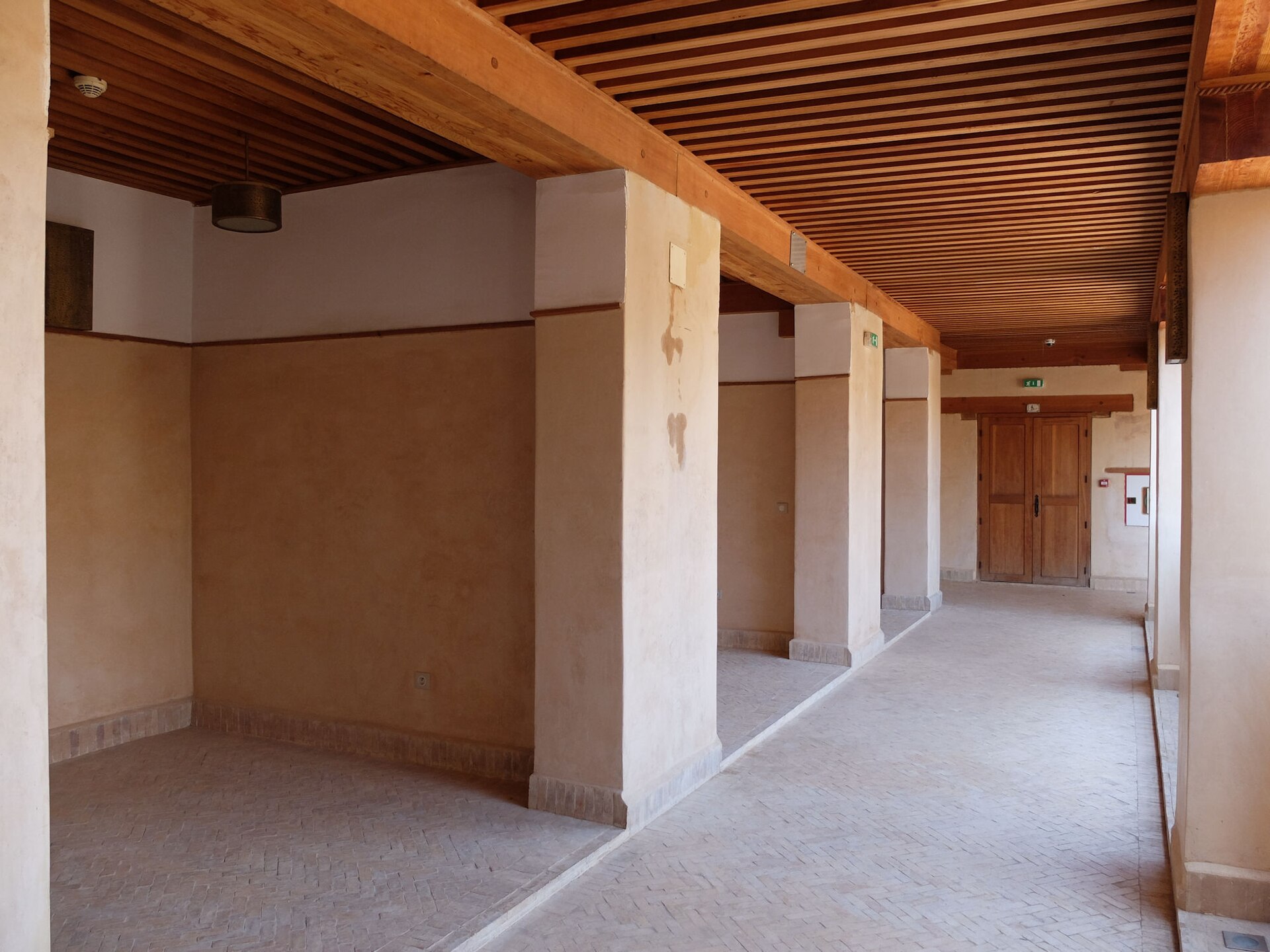
Fondouk el-Nejjarine (Woodworkers' Fondouk)
Place des Ferblantiers, Marrakesh, 40034, Morocco
A fondouk (also spelled funduq or foundouk) is a medieval caravanserai — an inn and trading post where merchants stored goods and animals on the ground floor and slept on the upper floors.
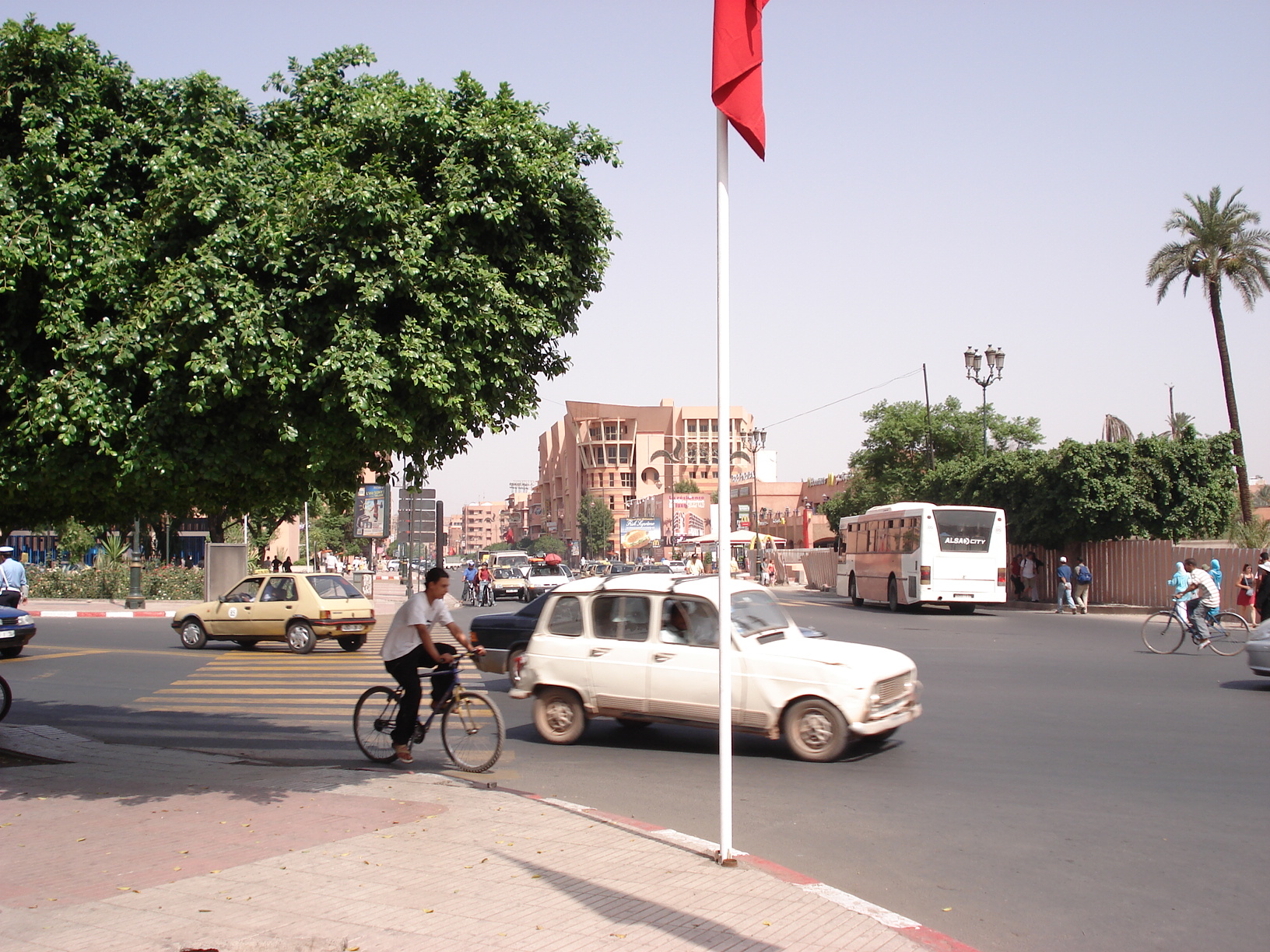
Guéliz (Ville Nouvelle)
Boulevard Mohammed V, Marrakesh, 40008, Morocco
Guéliz is Marrakech's French-built new town — a grid of Art Deco and Modernist buildings laid out during the Protectorate period (1912-1956) that provides the counterpoint to the medina's labyrinthine chaos.
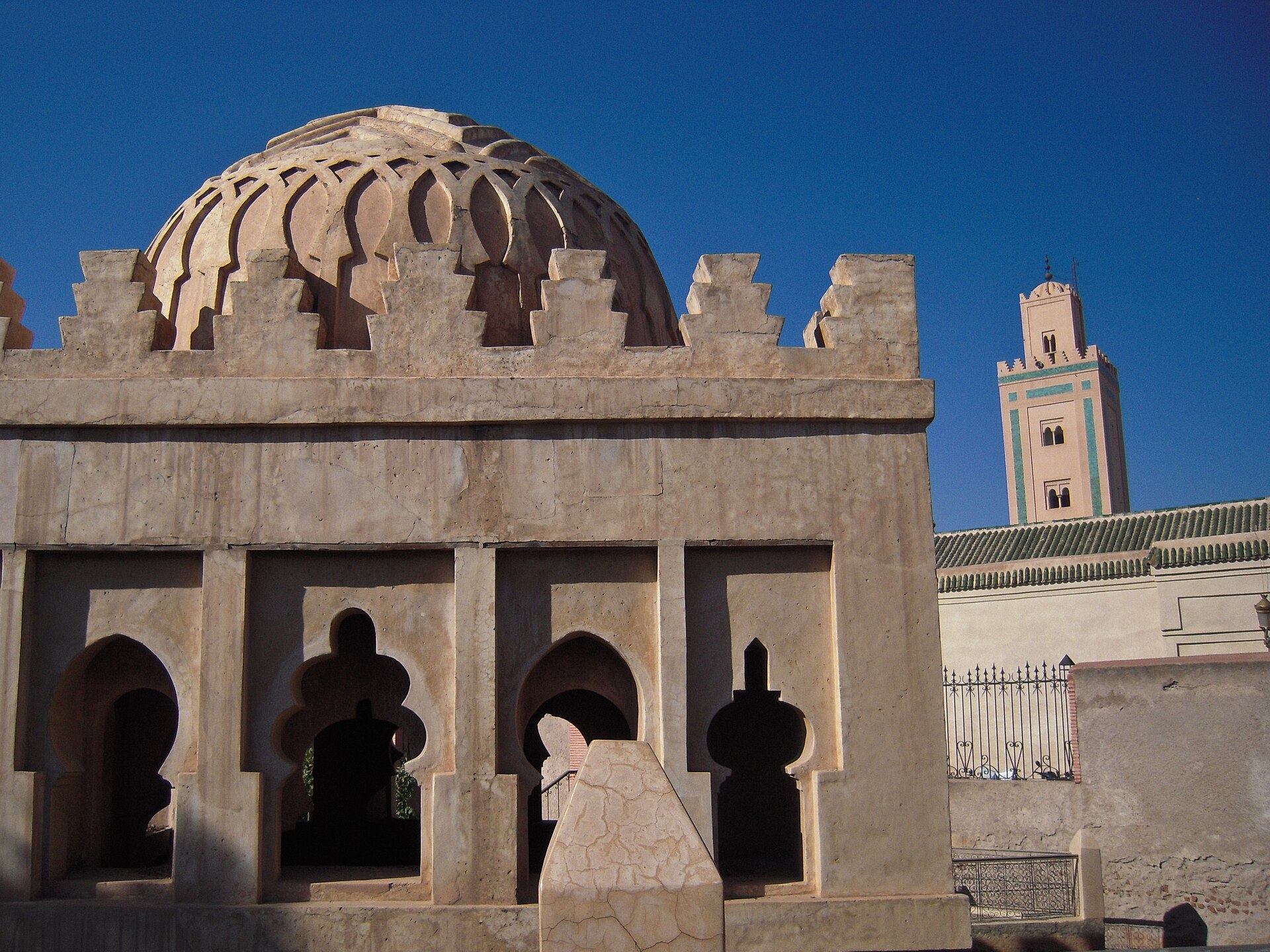
Koubba Almoravid
Rue El Youssi, Marrakesh, 40070, Morocco
The Koubba Almoravid is the only surviving Almoravid building in Marrakech — an 11th-century ablution pavilion (koubba) that was buried beneath later construction and rediscovered in 1948.
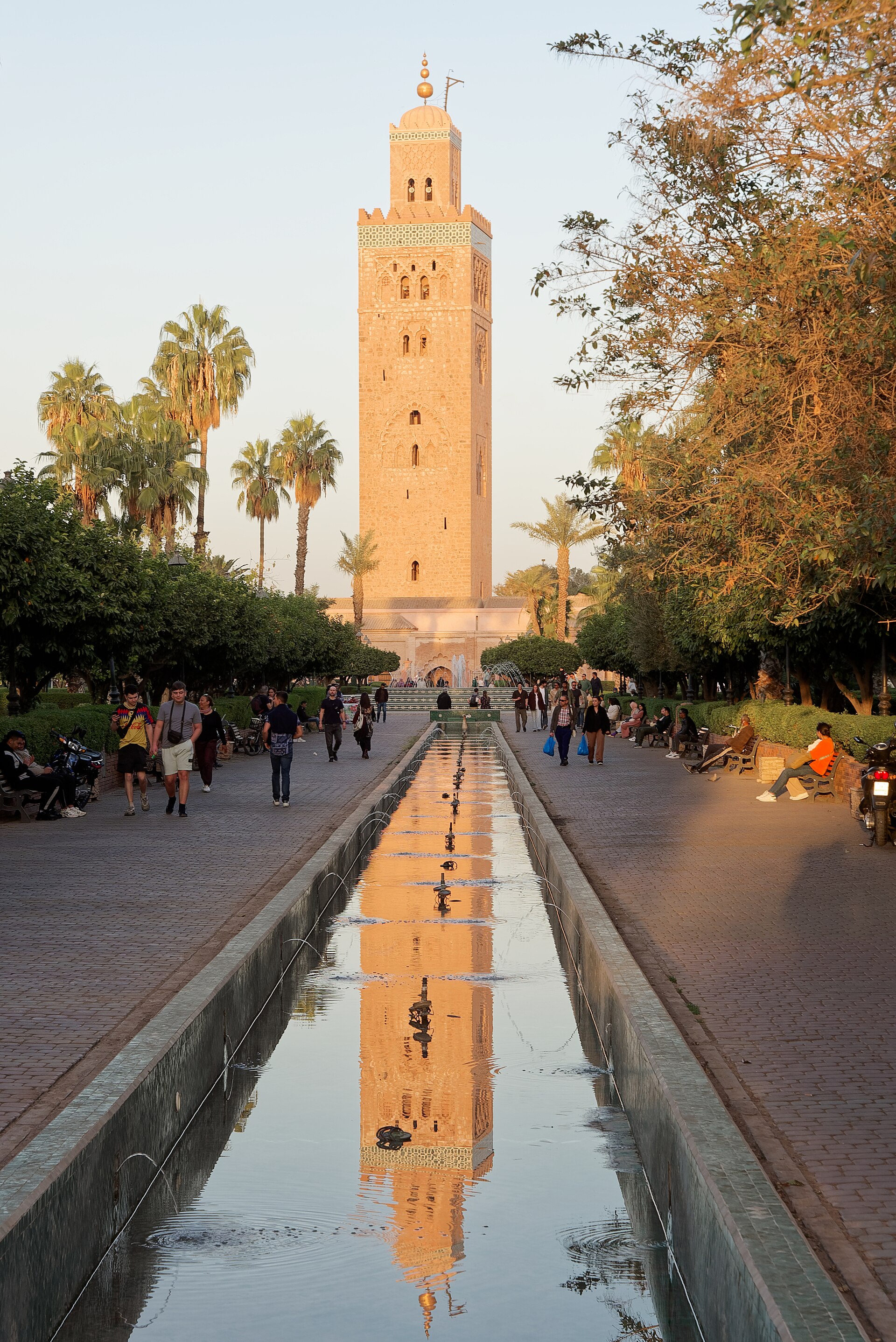
Koutoubia Mosque
15 bis Rue Fhal Smar, Marrakesh, 40008, Morocco
The Koutoubia Mosque is Marrakech's defining landmark — a 12th-century Almohad mosque whose 77-metre minaret is the tallest structure in the city and the model for the Giralda in Seville and the Hassan Tower in Rabat.
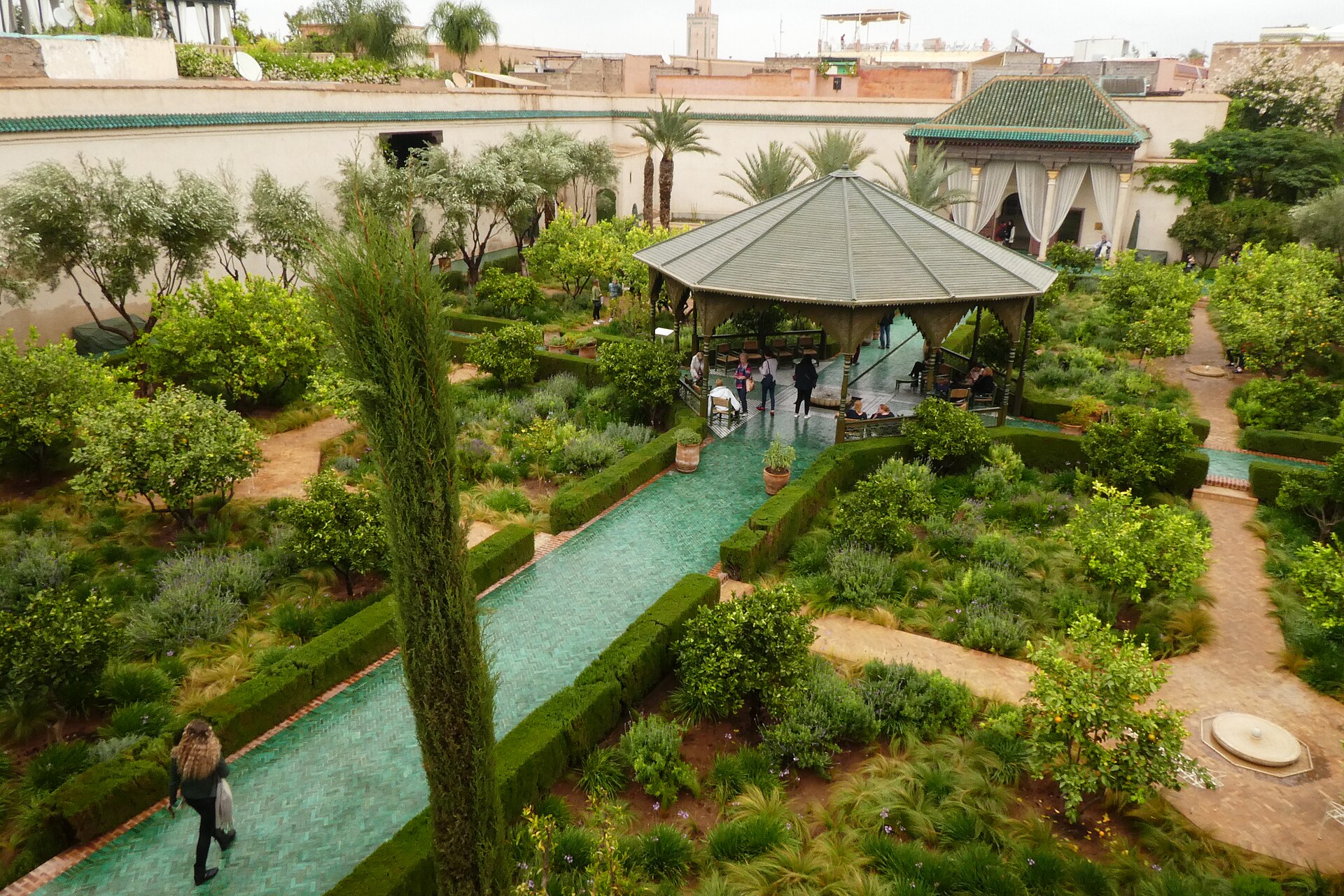
Le Jardin Secret
Derb Habib Allah, Marrakesh, 40030, Morocco
Le Jardin Secret is a restored riad garden in the heart of the medina — a 16th-century courtyard complex that was abandoned for decades before a meticulous restoration completed in 2016 returned its Islamic garden to working order, including the original khettara (underground water channel) system that has been feeding the garden since the Saadian era.
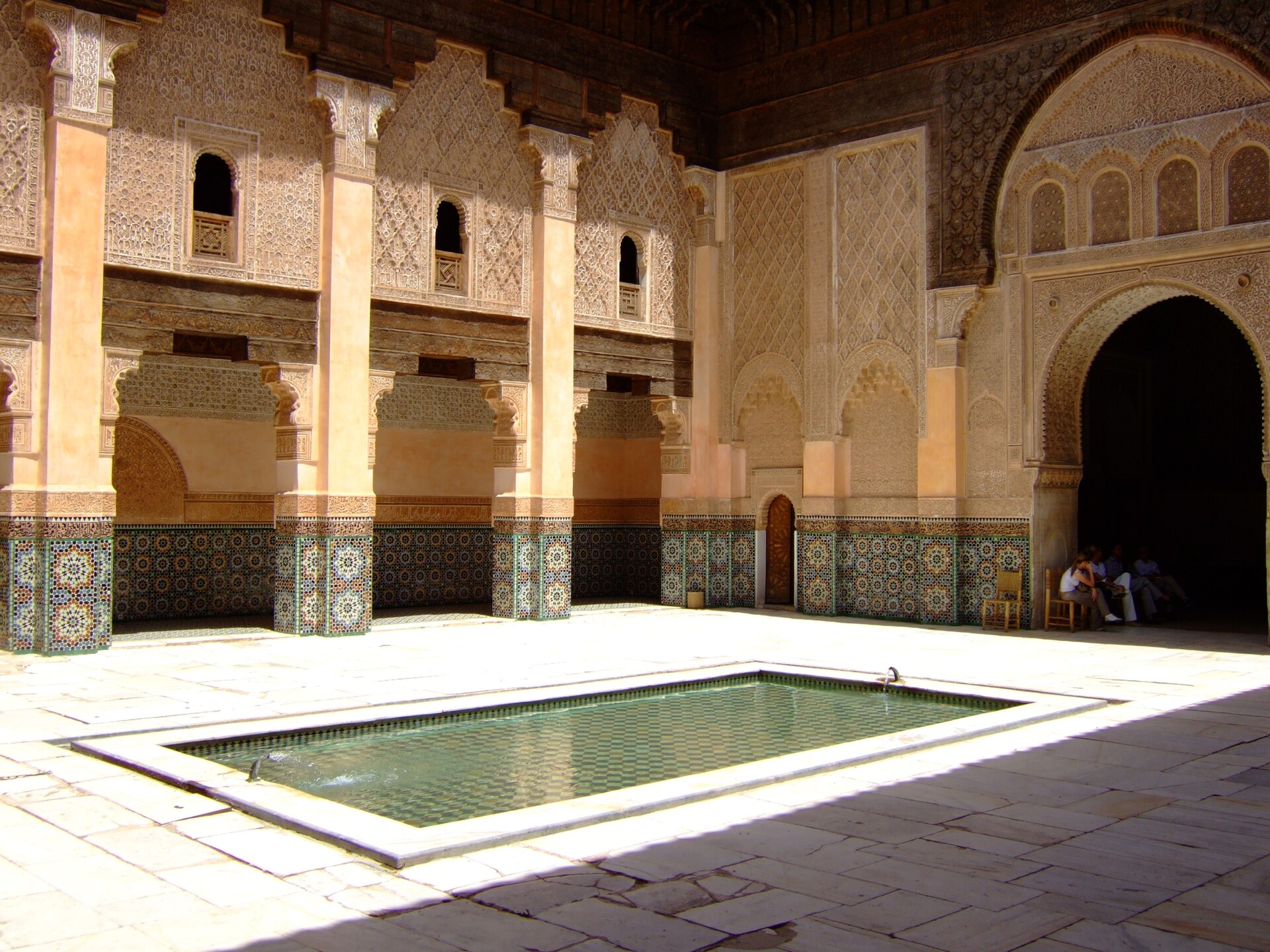
Medersa Ben Youssef
Derb Kaat Benahid, Marrakesh, 40030, Morocco
The Medersa Ben Youssef is the largest and most important historical theological college in Morocco — a 14th-century Islamic school (rebuilt in the 16th century under the Saadian dynasty) that once housed 900 students in cells arranged around a courtyard of such architectural perfection that it is considered the finest example of Moorish architecture in North Africa.
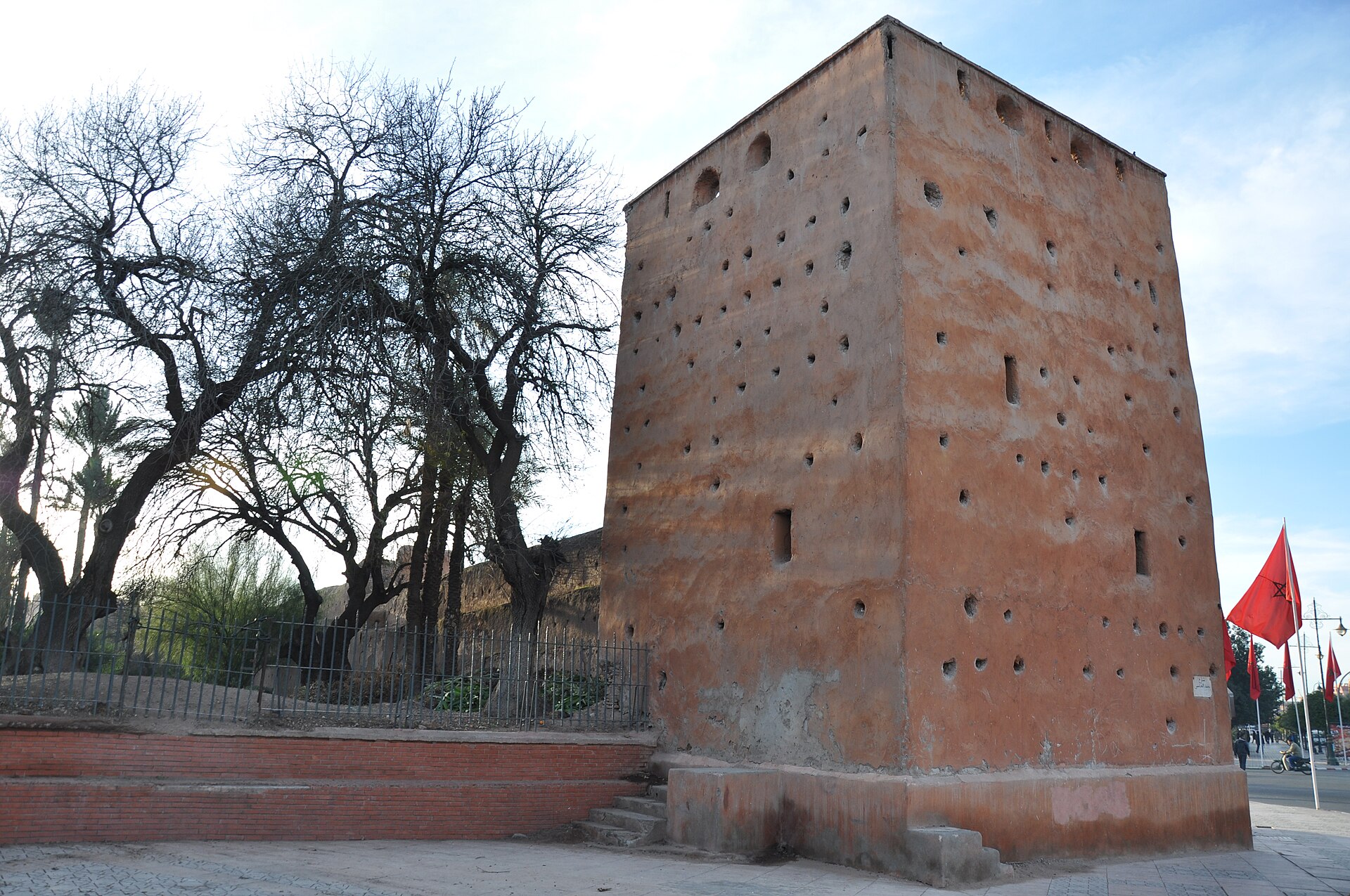
Medina Walls & Gates
Rue Bab Agnaou, Marrakesh, 40008, Morocco
The medina walls of Marrakech are one of the most complete medieval fortification systems in the world — 19 kilometres of 12th-century pisé (rammed earth) walls, 10 metres high and 2 metres thick, encircling the old city in a continuous red-ochre barrier punctuated by 20 gates and 200 towers.
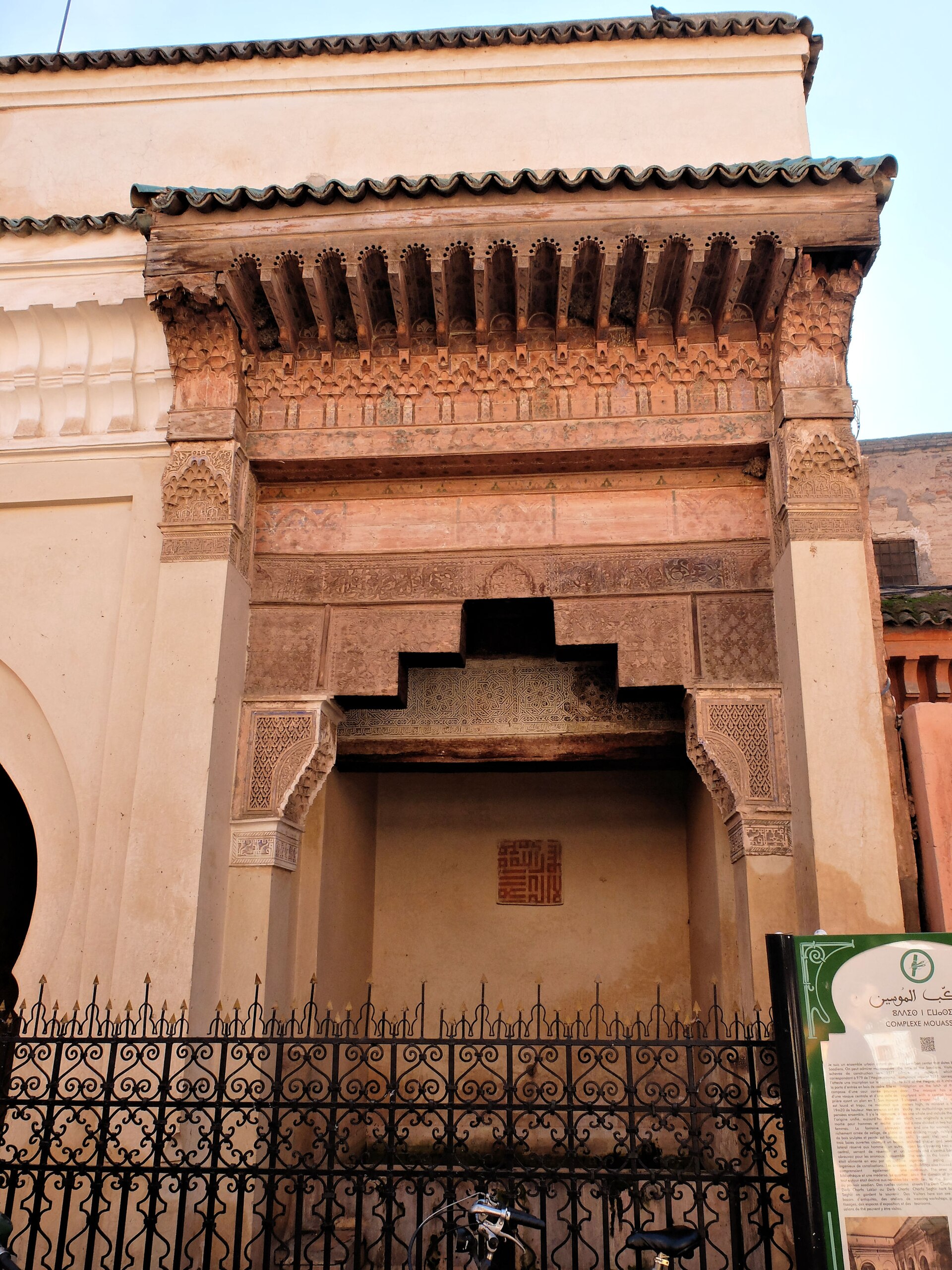
Mouassine Mosque & Fountain
35 Derb El Arsa, Marrakesh, 40008, Morocco
The Mouassine Mosque is a 16th-century Saadian mosque at the centre of one of the medina's most atmospheric neighbourhoods — a quarter of narrow alleys, restored riads, and the Mouassine Fountain, a monumental public fountain that served the neighbourhood's ritual ablution needs for 500 years.
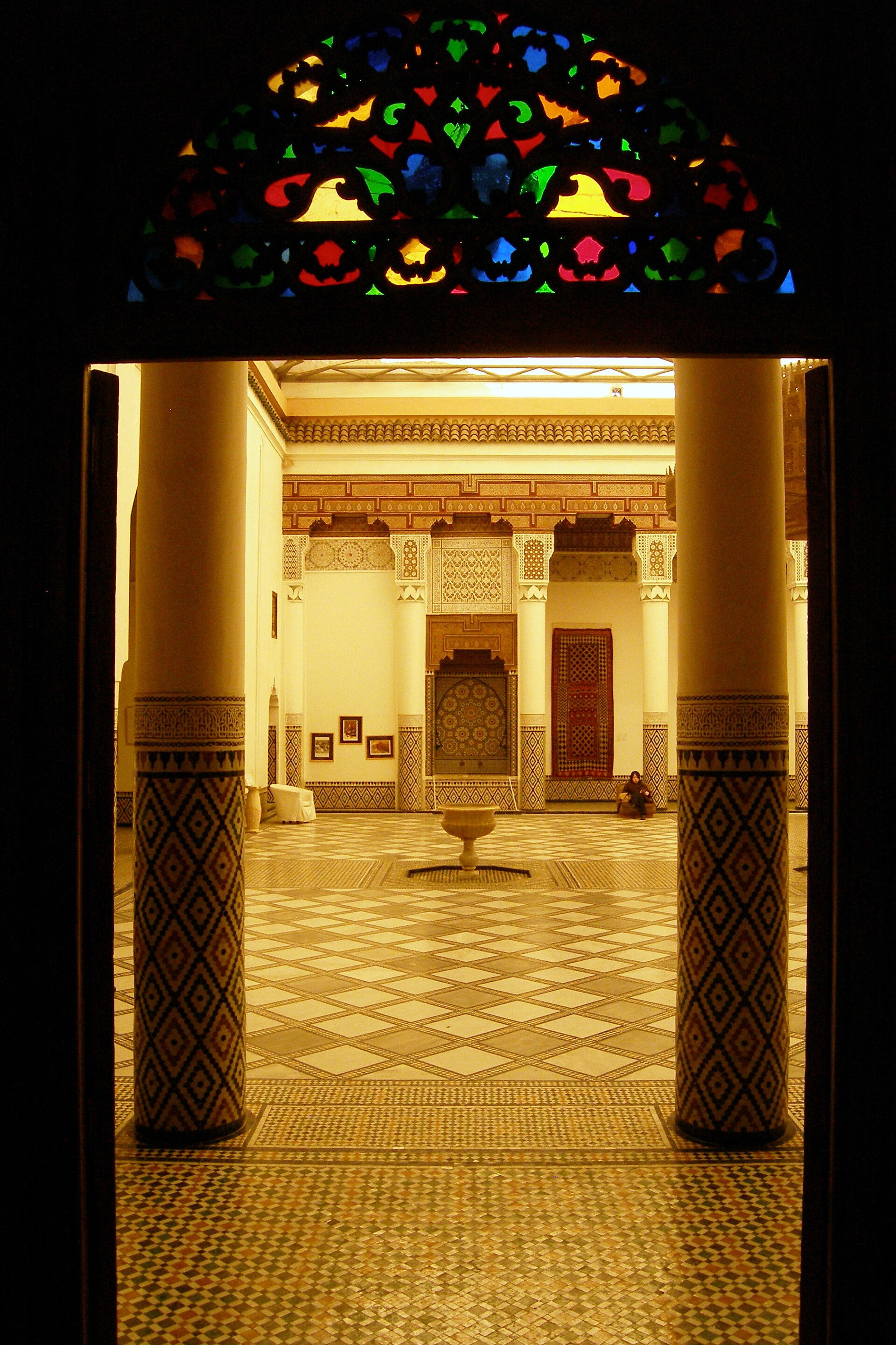
Musée de Marrakech
Rue El Youssi, Marrakesh, 40070, Morocco
The Musée de Marrakech occupies the Dar Menebhi Palace — a 19th-century palace on Place Ben Youssef that was restored by the Omar Benjelloun Foundation and opened as a museum in 1997.
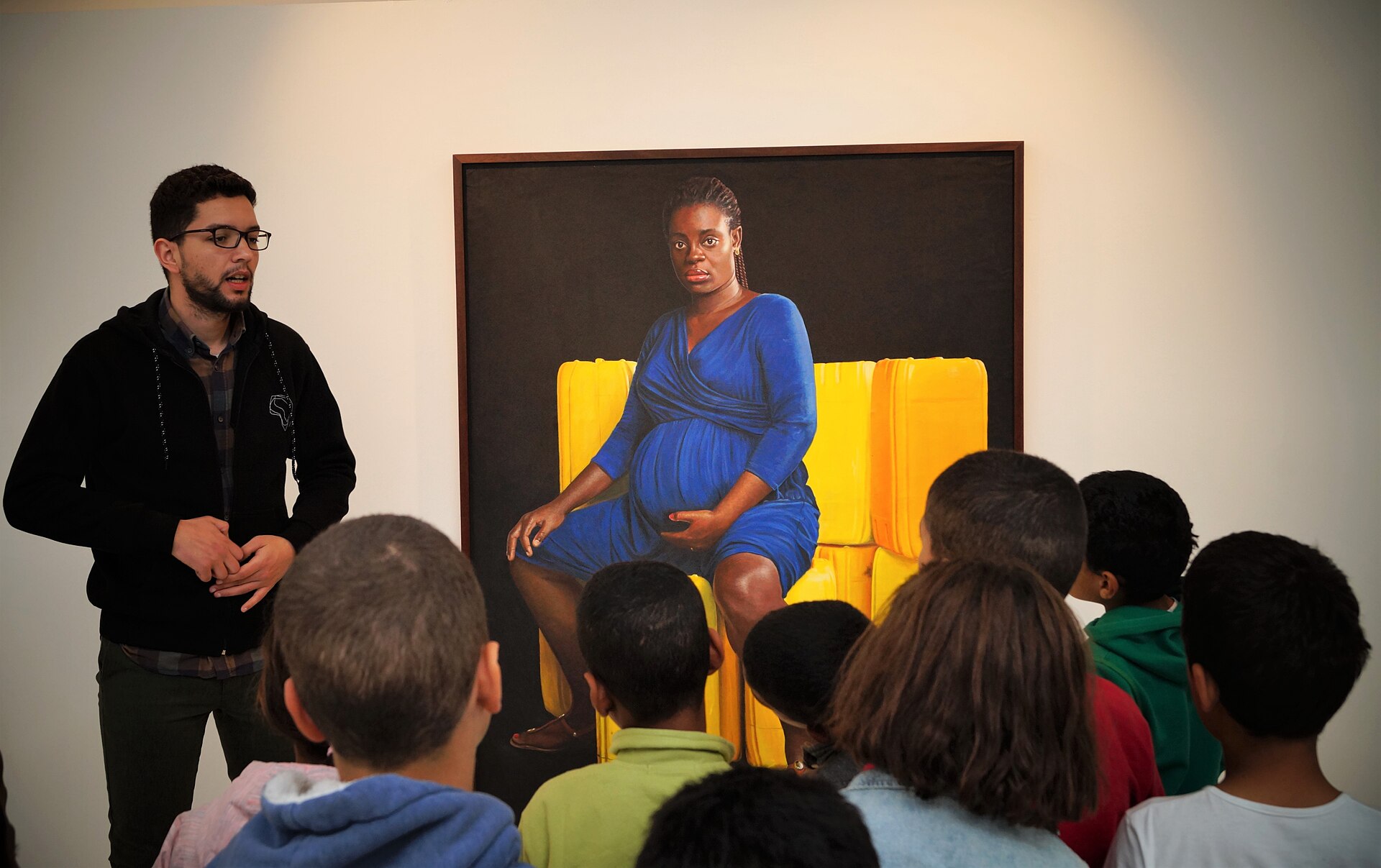
Museum of African & Amazigh Art (MACAAL)
Route de l'Ourika, Marrakesh, 40000, Morocco
MACAAL (Musée d'Art Contemporain Africain Al Maaden) is North Africa's first museum dedicated to contemporary African art — a purpose-built gallery on the outskirts of Marrakech that houses the collection of the Al Maaden Foundation alongside rotating exhibitions of contemporary African artists.
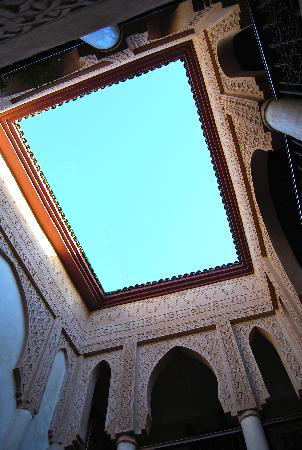
Riad Architecture & Courtyard Culture
Various riads, Medina, Marrakech
The riad is Marrakech's defining architectural form — a traditional courtyard house built around a central garden (the word riad comes from the Arabic ryad, meaning garden) that turns its back on the street and opens inward to light, water, and plantings.
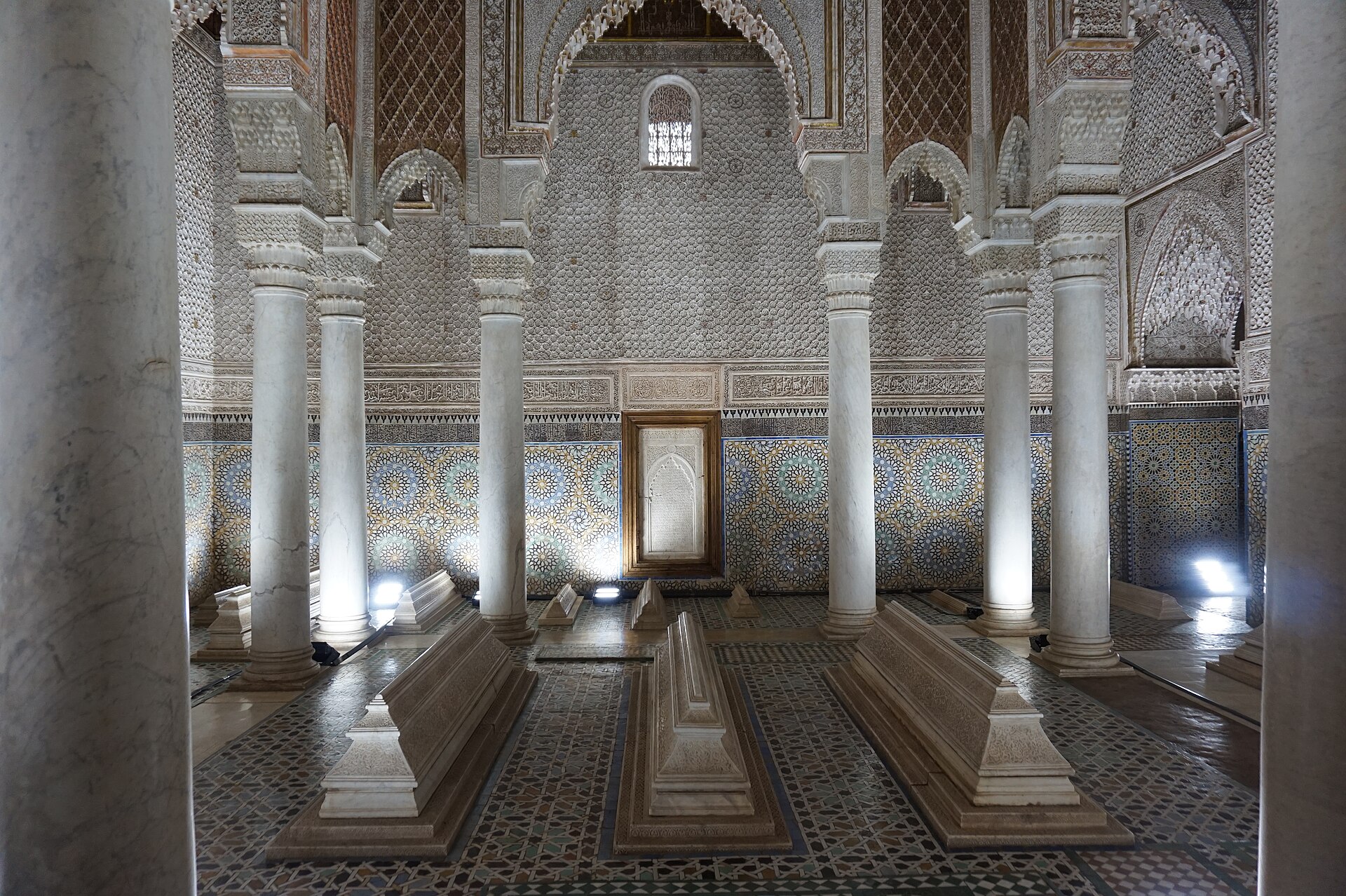
Saadian Tombs
Rue de la Kasbah, Marrakesh, 40040, Morocco
The Saadian Tombs are the most exquisite funerary architecture in Morocco — a 16th-century royal mausoleum complex that was sealed and forgotten for centuries until the French discovered it during an aerial survey in 1917.
Explore architecture in Marrakech
GPS-guided narration at every landmark. Tap a spot on the map, hear the story. Every fact verified.