8 Hidden Gems in Cairo Most People Walk Right Past
8 landmarks with verified facts and stories
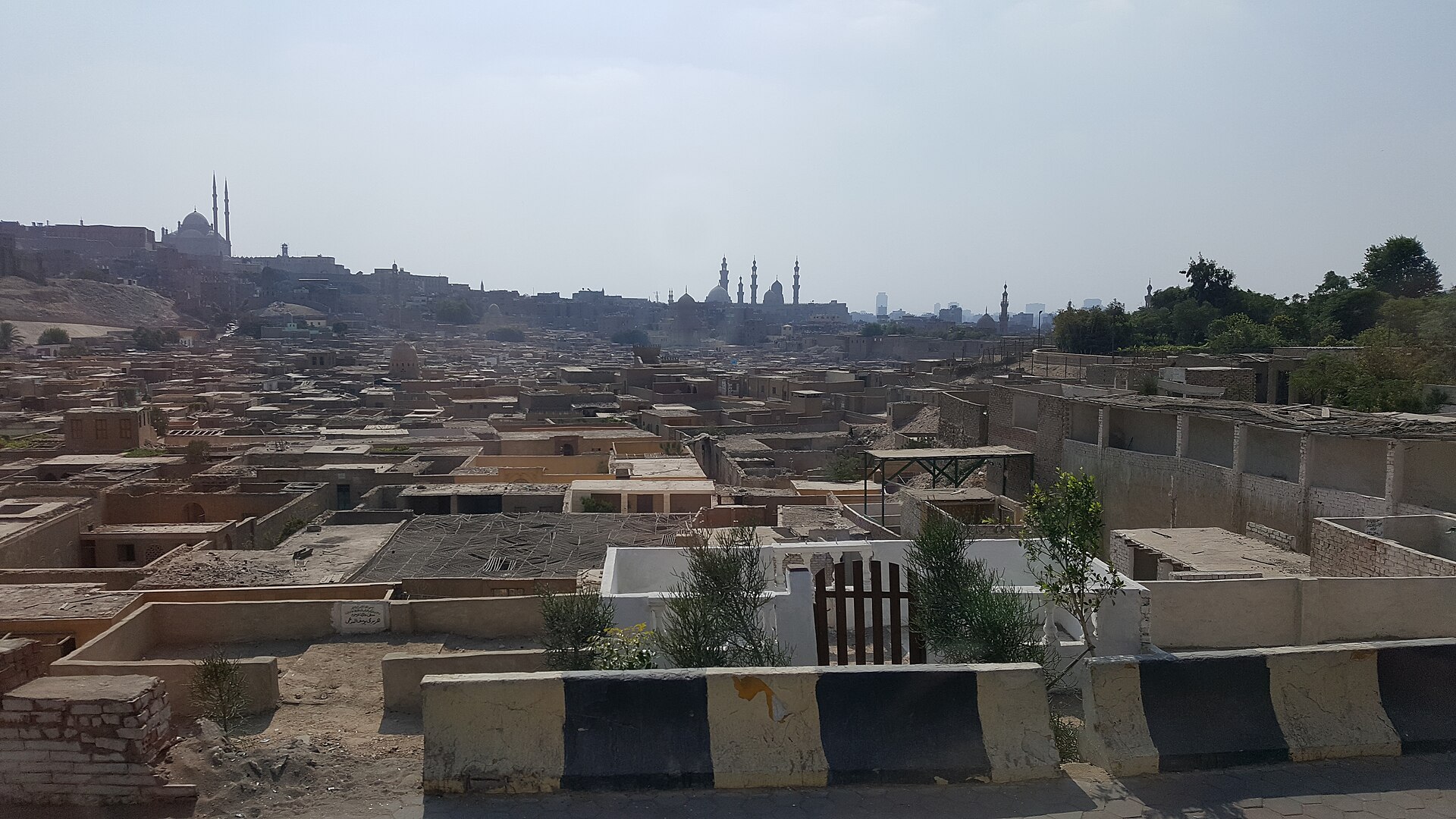
City of the Dead (Northern Cemetery)
Northern Cemetery, Cairo
The City of the Dead is one of the most extraordinary urban phenomena in the world — a vast medieval cemetery east of Islamic Cairo where an estimated 500,000 to one million people live among the tombs, mausoleums, and funerary complexes of Egypt's sultans, emirs, and saints.
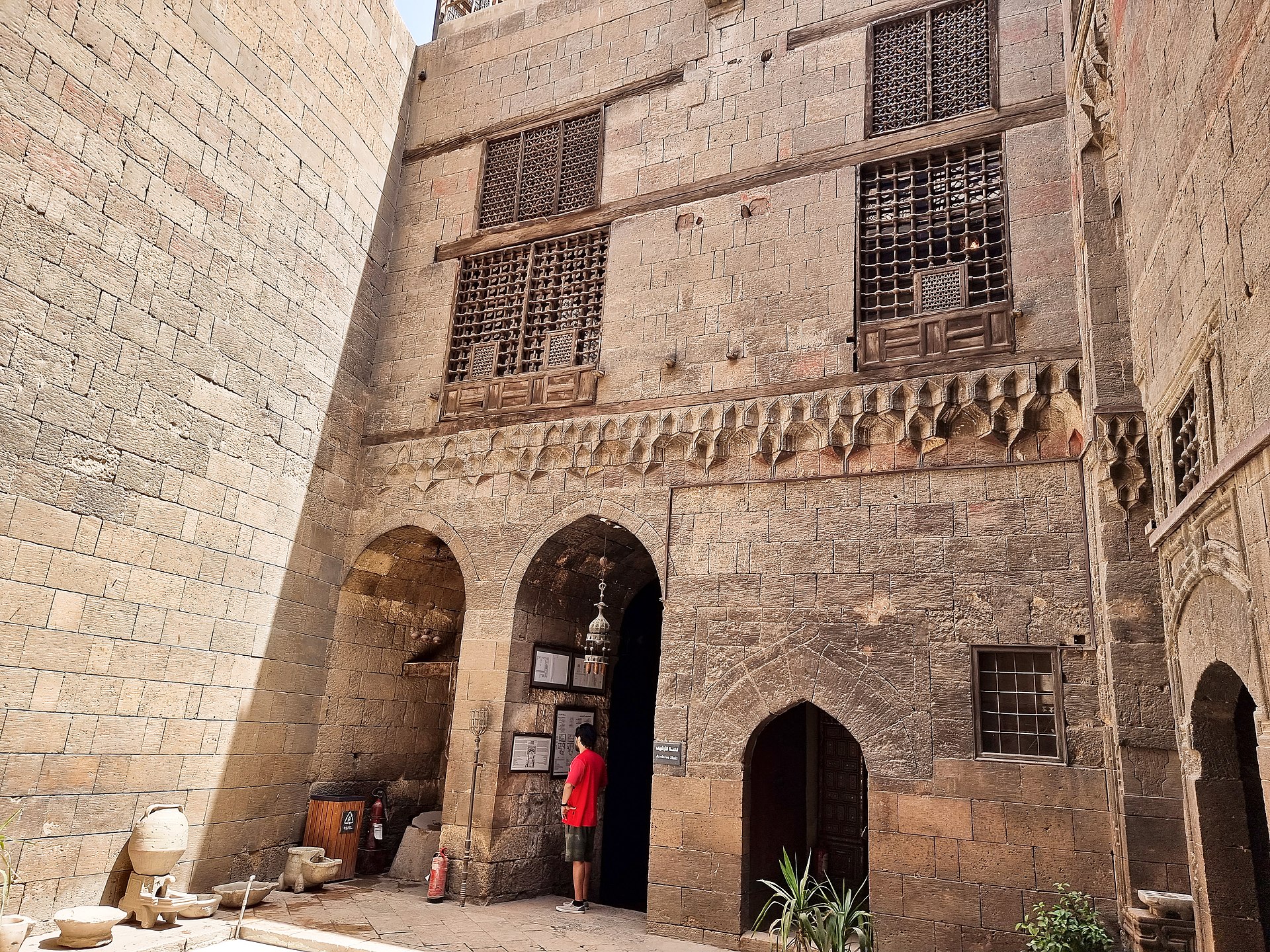
Gayer-Anderson Museum
Ahmad Ibn Tulun Street, El-Sayeda Zeinab, Cairo
The Gayer-Anderson Museum is one of Cairo's most charming hidden treasures — two 17th-century Ottoman houses connected by a bridge and filled with the eclectic collection of Major Robert Gayer-Anderson, a British army officer who lived in the houses from 1935 to 1942 and filled them with Islamic art, Chinese porcelain, Persian carpets, pharaonic antiquities, and the accumulated curiosities of a life spent collecting in Egypt and the Middle East.
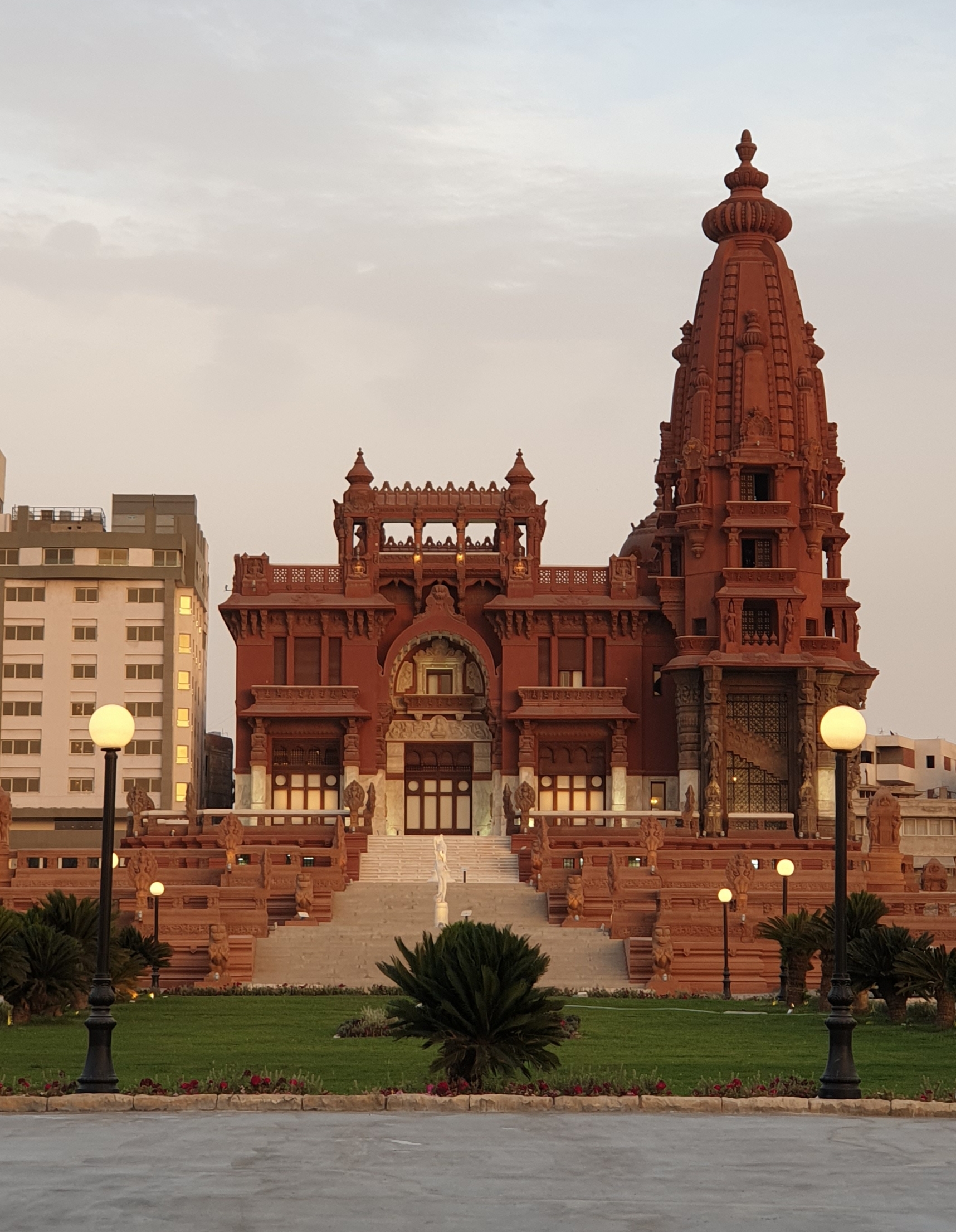
Heliopolis & Baron Empain Palace
Heliopolis, Cairo, Egypt
Heliopolis is Cairo's most architecturally distinctive suburb — a planned city built in the early 20th century by Belgian industrialist Baron Édouard Empain in an extraordinary mix of Moorish, Hindu, and Art Nouveau styles that created a satellite city in the desert northeast of Cairo.
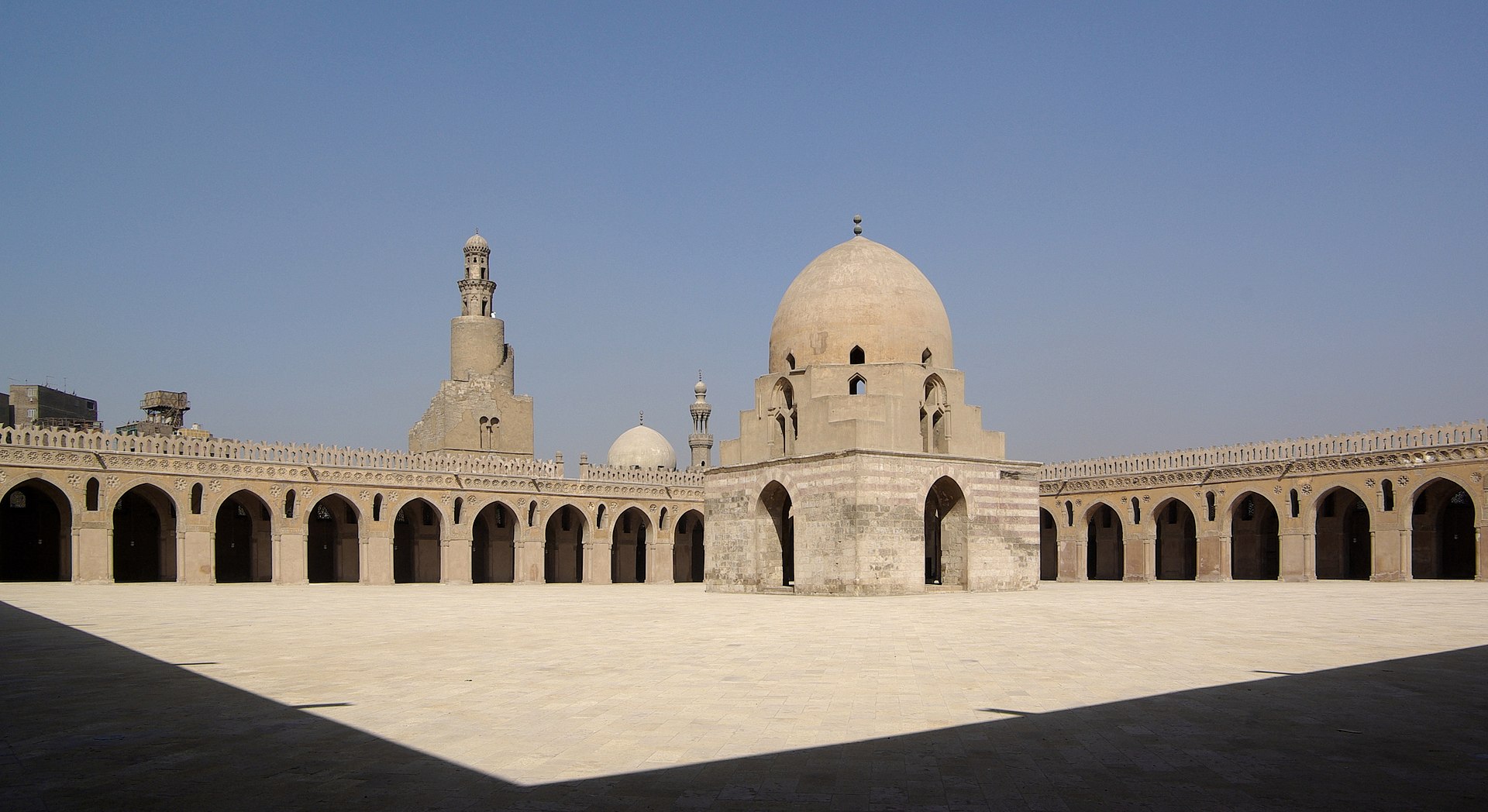
Mosque of Ibn Tulun
Ahmed Ibn Touloun Street, Army Housing, Cairo, 11797, Egypt
The Mosque of Ibn Tulun is the oldest mosque in Cairo that retains its original form — built between 876 and 879 AD by Ahmad ibn Tulun, the Abbasid governor who declared Egypt independent and built this mosque as the centrepiece of his new capital.
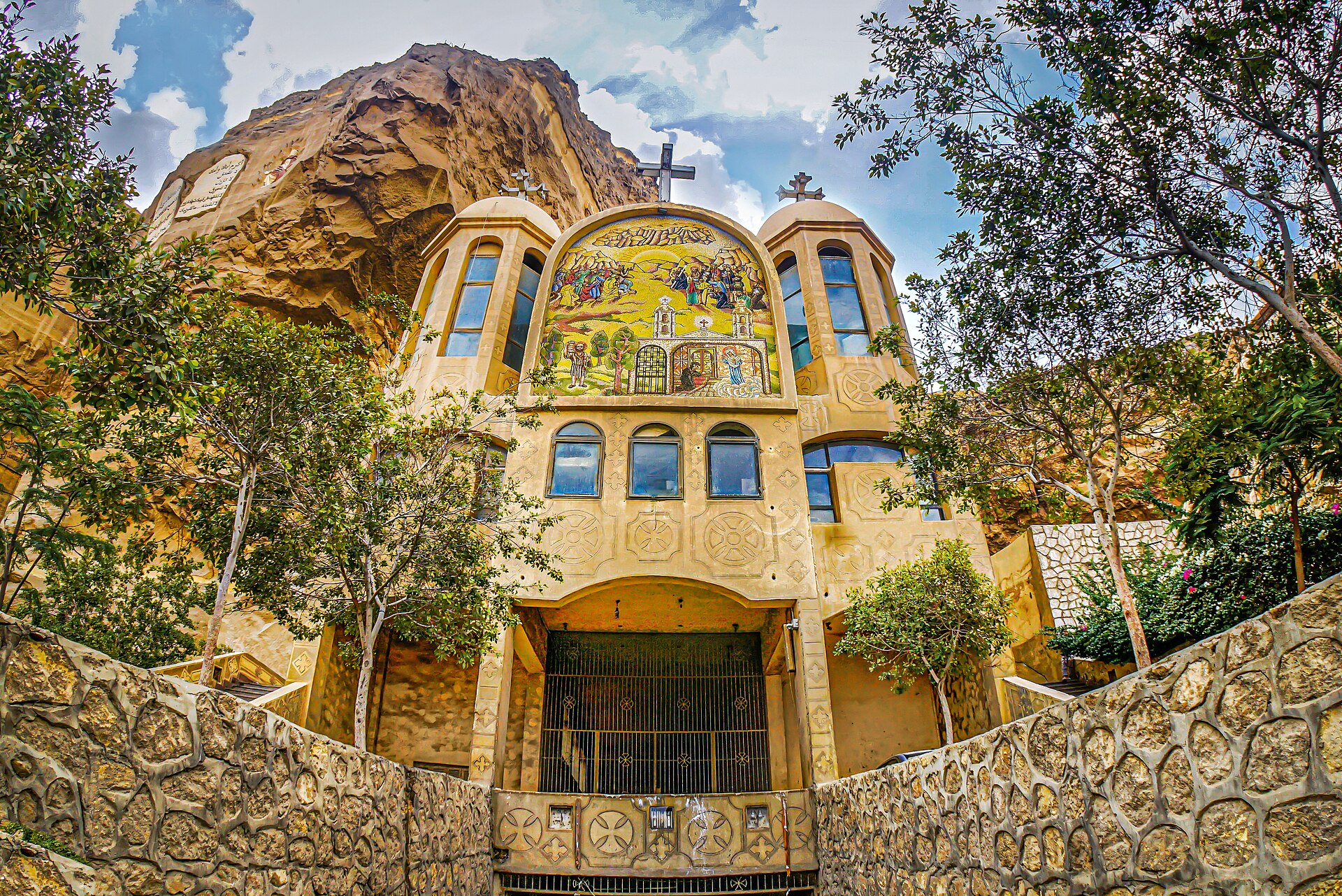
Muqattam Hills & Cave Church
Mokattam, Cairo
The Monastery of Saint Simon, better known as the Cave Church, is one of the most extraordinary religious spaces in the Middle East — a church carved into the cliffs of the Mokattam Hills that seats 20,000 people, making it the largest church in the Middle East and one of the largest in the world.
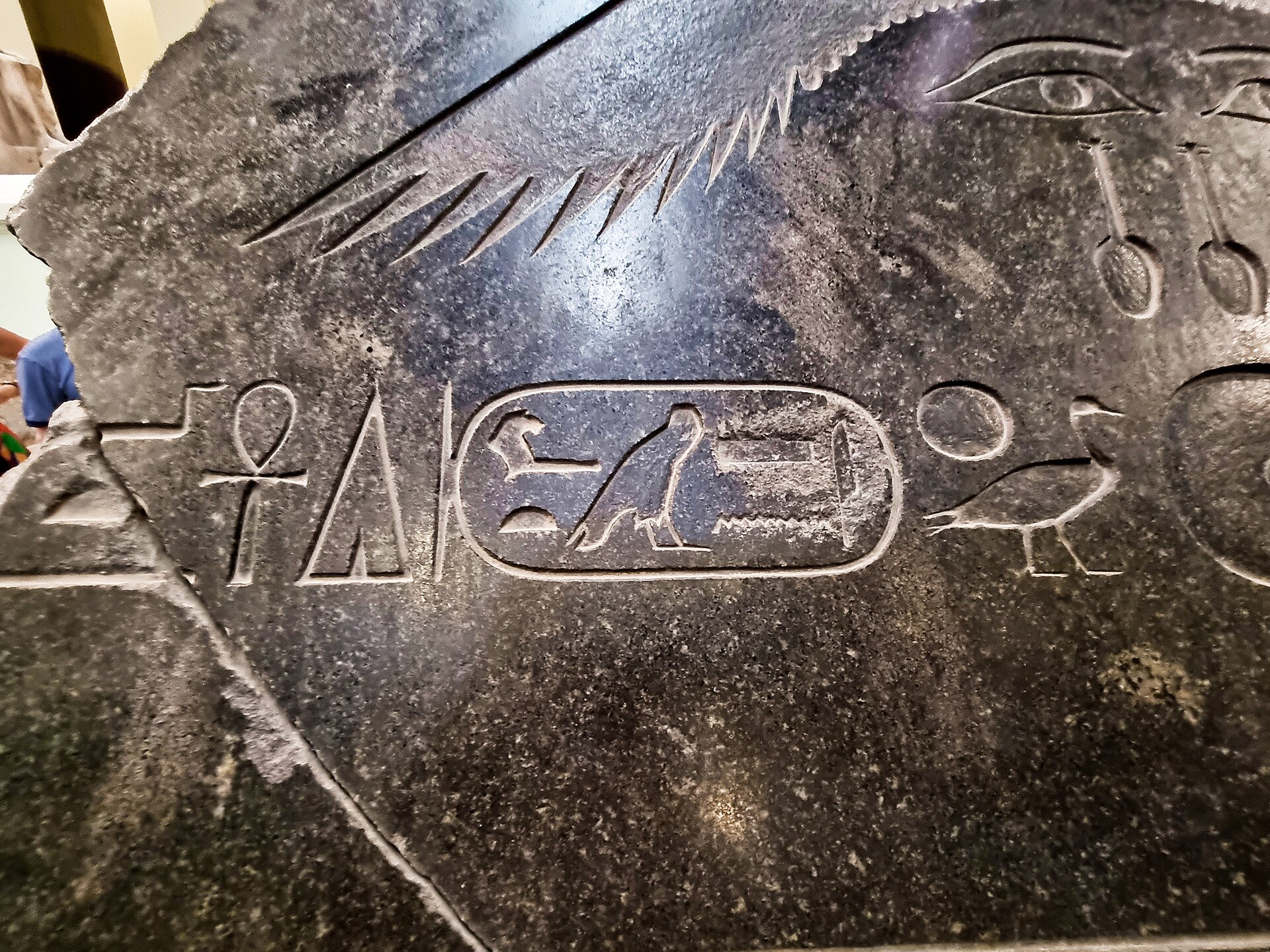
Pyramids of Dahshur
Dahshur, Giza Governorate, Egypt
Dahshur is where the Egyptians figured out how to build a true pyramid — a desert site 40 kilometres south of Cairo containing two of the most architecturally significant pyramids in Egypt: the Bent Pyramid and the Red Pyramid, both built by Pharaoh Sneferu around 2600 BC.
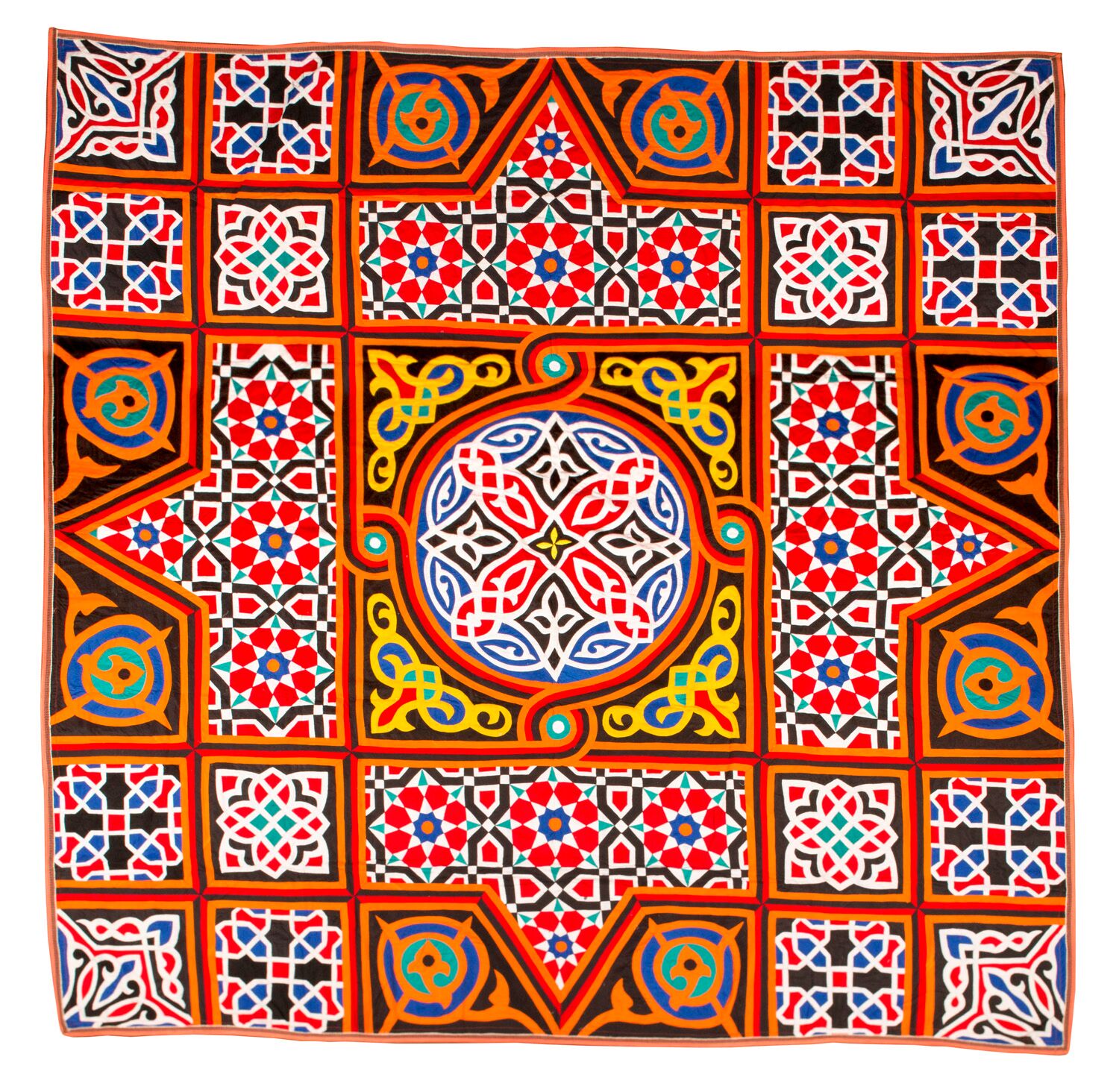
Tentmakers' Market (Souk al-Khayamiya)
Near Bab Zuweila, Islamic Cairo
The Tentmakers' Market is the last covered souk in Cairo — a narrow street of workshops near Bab Zuweila where artisans create elaborate appliqué textiles using a technique that has been practised in Egypt for centuries.
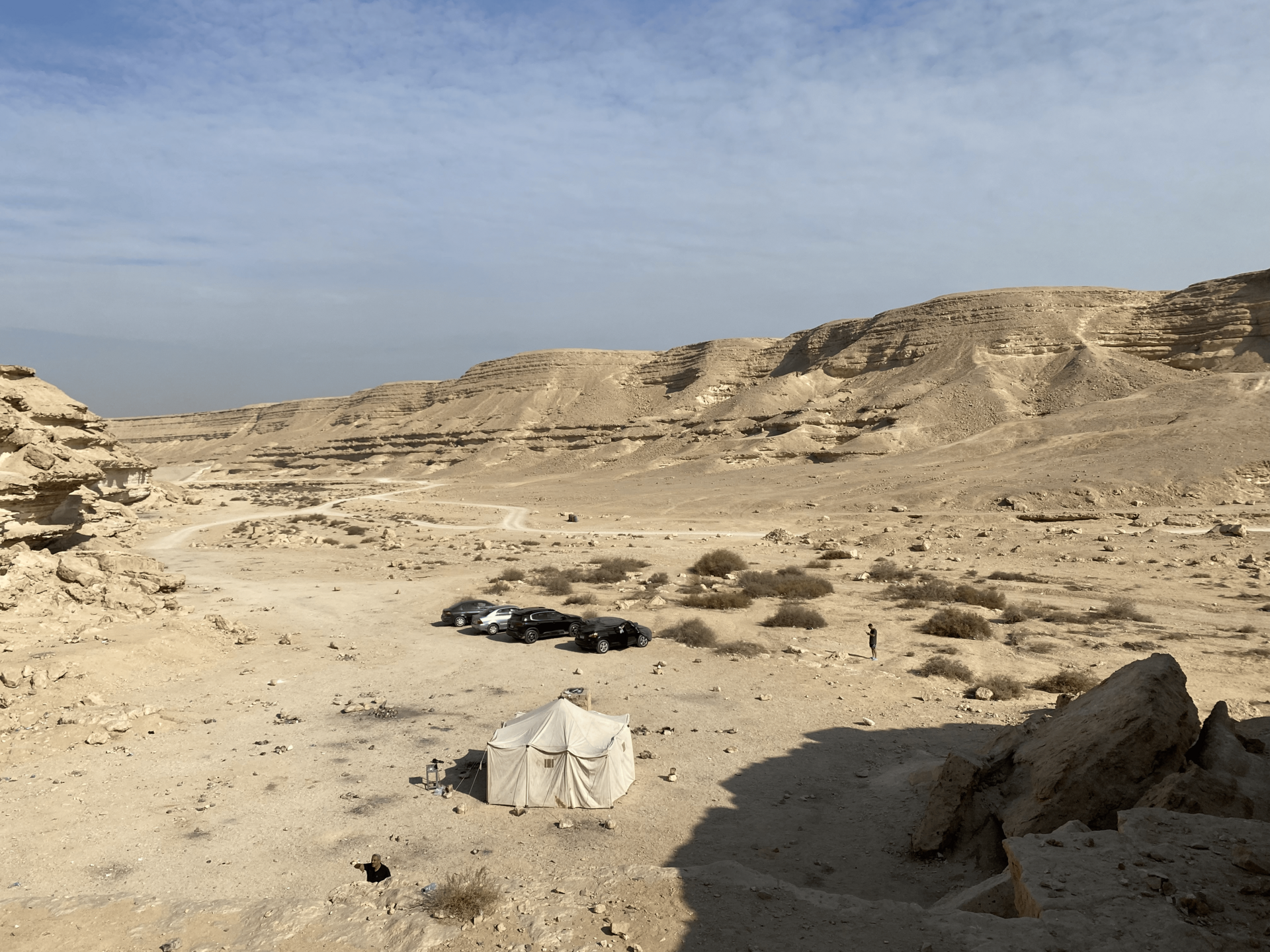
Wadi Degla Protectorate
Wadi Degla, Maadi, Cairo
Wadi Degla is Cairo's most unexpected natural escape — a 60-square-kilometre protected desert canyon south of the city where fossilised whale bones, coral reef formations, and the geological record of an ancient sea are preserved in the limestone walls of a dry wadi (valley) that was underwater 40 million years ago.
Explore hidden gems in Cairo
GPS-guided narration at every landmark. Tap a spot on the map, hear the story. Every fact verified.